
25 Japandi Living Room Ideas for 2025: Minimal Serenity Meets Scandinavian Warmth
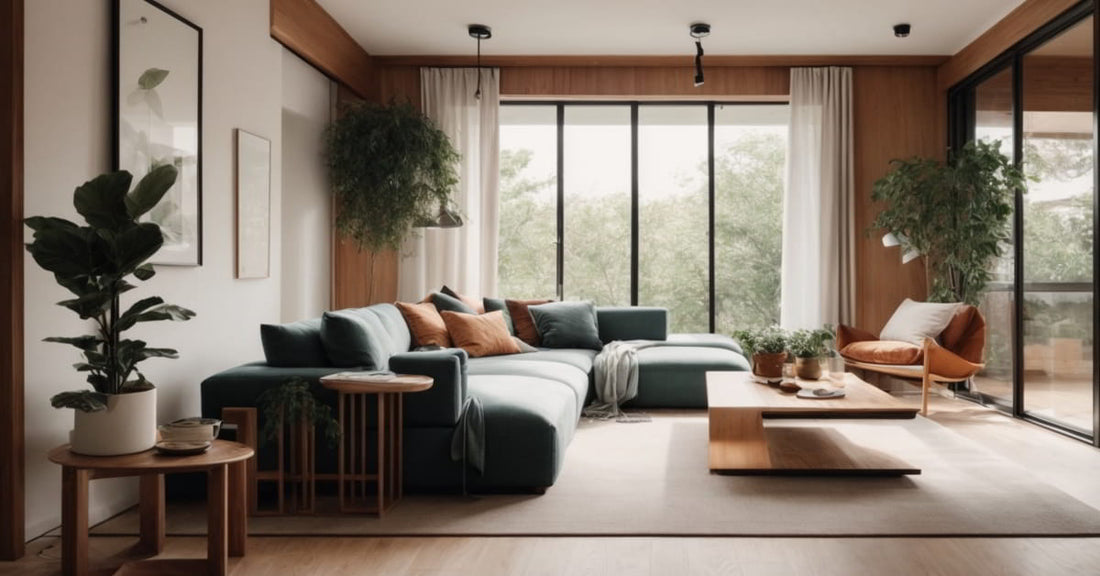
Embrace the Elegance of Japandi Living Room Ideas for 2025
In 2025, the pursuit of a peaceful and aesthetically pleasing home environment continues to be a dominant force in interior design. Among the most sought-after styles is Japandi, a masterful fusion of Japanese minimalism and Scandinavian warmth. This design philosophy offers a unique approach to creating living spaces that are both serene and inviting. If you're looking to infuse your home with a sense of calm and sophistication, exploring Japandi living room ideas is the perfect starting point. This style prioritizes minimal serenity, a deep sense of calm achieved through uncluttered spaces and thoughtful curation, while embracing the Scandinavian warmth that makes a house feel like a true home. For a broader context on the synergy between both traditions, see our guide to Japandi and Scandinavian decor.
Understanding the Core Principles of Japandi Style
The modern Japandi style is more than just an aesthetic; it's a lifestyle. It draws inspiration from the Japanese principles of Wabi-Sabi – finding beauty in imperfection and impermanence – and the Scandinavian emphasis on hygge, a concept of coziness and contentment. This Nordic Japanese fusion results in interiors that are functional, beautiful, and deeply personal. The focus is on creating tranquil living spaces that promote well-being and a connection to nature. Key to this style is a commitment to minimalist home design, where every item serves a purpose and contributes to the overall sense of peace. If you’re building your practice from the ground up, revisit essential Japandi design principles to keep decisions intentional.
Key Elements for Your Japandi Living Room
Achieving the signature Japandi look involves a careful selection of elements that work in harmony. Here are some foundational components to consider for your Japandi decor 2025. If you’re applying the same language beyond the lounge, here’s how restraint translates into Japandi kitchen design without losing warmth.
- Neutral Color Palette: Japandi interiors typically feature a neutral color palette. Think soft whites, muted grays, earthy beiges, and subtle greens. These tones create a calming backdrop and allow the textures and forms of the furniture and decor to stand out. Earthy tones decor plays a crucial role in grounding the space and bringing the outdoors in. The subtle variations within this palette prevent the space from feeling sterile, instead offering a sophisticated and comforting ambiance.
- Natural Materials Interior: The use of natural materials interior is paramount. Wood is a staple, often in light to medium tones, showcasing its natural grain and texture. Other materials like bamboo, rattan, linen, cotton, wool, and stone are also frequently incorporated, adding depth and organic warmth to the space. This commitment to organic textures home is a hallmark of the style, inviting touch and creating a sensory experience that connects inhabitants with the natural world.
- Clean Lines Furniture: Look for furniture with clean lines furniture. Pieces are often low-profile, with simple silhouettes that emphasize functionality and form. Avoid overly ornate or detailed designs. The emphasis is on craftsmanship and the inherent beauty of the materials. This aligns perfectly with Japandi furniture ideas that prioritize both form and function, ensuring that pieces are not only visually appealing but also serve their intended purpose efficiently.
- Functional Home Decor: Every item in a Japandi living room should be intentional. This means prioritizing functional home decor. Think about storage solutions that are both practical and aesthetically pleasing, such as built-in shelving or minimalist sideboards. The goal is to create a clutter-free environment that supports a sense of order and tranquility. Items are chosen for their utility as much as their beauty.
- Wabi-Sabi Influence: Embrace the Japanese concept of wabi-sabi design. This means appreciating the beauty of imperfection. A slightly uneven ceramic vase, a wooden table with a few natural knots, or a hand-knitted throw can add character and a sense of authenticity to your space. This approach contributes to a peaceful home aesthetic by celebrating the natural aging process and the unique qualities of handmade objects.
- Sustainable Design Trends: The Japandi ethos naturally aligns with sustainable design trends. Opt for ethically sourced materials and furniture pieces that are built to last. This commitment to sustainability not only benefits the planet but also contributes to the timeless interior design quality of your living room. It fosters a connection to responsible consumption and a deeper appreciation for enduring quality.
If you’re extending the same quiet clarity to wet rooms, these guides map the language of restraint into Japandi bathroom decor with material honesty and simplicity.
25 Japandi Living Room Ideas to Inspire Your Space in 2025
Let's translate these principles into actionable ideas for your living room, focusing on creating an atmosphere of calm living room inspiration and cozy minimalist living:
- Minimalist Layout: Arrange furniture to create open pathways and avoid overcrowding. Ensure a sense of spaciousness, allowing the eye to rest and promoting a feeling of calm. This deliberate arrangement enhances the flow of energy and creates an airy, uncluttered feel.
- Light Wood Tones: Incorporate light oak, ash, or maple wood furniture for a bright and airy feel. Consider a beautifully crafted wooden sideboard or shelving unit that showcases the natural grain. These pieces add warmth and organic texture without overpowering the space.
- Textured Neutral Walls: Opt for limewash, micro-cement, or textured paint in soft beige, off-white, or muted greige for subtle depth and a sophisticated finish. The tactile quality of these finishes adds dimension and a natural, imperfect beauty.
- Woven Accents: Introduce rattan, bamboo, or seagrass baskets for stylish storage and a touch of organic texture. They are perfect for blankets, magazines, or even as decorative planters, adding an element of handcrafted charm.
- Low-Profile Seating: Choose sofas and armchairs with low profiles, clean, simple forms, and comfortable, natural upholstery. Think modular designs that can be reconfigured for versatility, prioritizing comfort and understated elegance.
- Handcrafted Ceramics: Display artisanal pottery with subtle imperfections. A hand-thrown vase or a uniquely shaped bowl can become a captivating focal point, embodying the wabi-sabi aesthetic and adding a unique artistic touch.
- Natural Light Maximization: Use sheer linen curtains or minimalist blinds to allow maximum natural light to filter in, enhancing the serene atmosphere. Natural light is crucial for creating a bright, uplifting, and peaceful environment.
- Simple Botanical Elements: Incorporate a few well-placed, low-maintenance plants, such as a snake plant, a ZZ plant, or a delicate bonsai, for a touch of living greenery and a connection to nature. These elements bring life and a sense of vitality into the space.
- Woolen Throws and Cushions: Add layers of comfort and texture with soft woolen throws and subtly textured cushions in neutral shades like cream, oat, or soft grey. These elements enhance the sense of hygge and invitation.
- Matte Black Accents: Use matte black finishes sparingly for hardware, lighting fixtures, or small decorative items to add a touch of modern contrast without overwhelming the calm aesthetic. This adds a subtle sophistication and definition.
- Sliding Shoji Screens: If your living room architecture allows, consider incorporating Shoji-inspired sliding doors or room dividers for a distinct Japanese touch that also offers flexibility in space division. They enhance privacy while maintaining a sense of openness.
- Stone Elements: Integrate elements of natural stone, such as a stone-look side table, a decorative tray, or coasters, to add a grounded, tactile quality to the space. Stone brings a sense of permanence and natural beauty.
- Minimal Wall Art: Choose one or two carefully selected pieces of art with serene imagery, abstract designs, or delicate line drawings. Think nature-inspired or calligraphic pieces that add visual interest without creating clutter.
- Functional Coffee Table: Select a coffee table with clean lines and simple construction. Consider models with a subtle drawer or shelf for discreet storage, enhancing functional home decor and maintaining an uncluttered surface.
- Earthy Rugs: Opt for rugs made from natural fibers like jute, sisal, wool, or cotton in muted, earthy tones. A flatweave or a low-pile rug works best for a clean aesthetic, grounding the seating area and adding textural warmth.
- Concealed Storage: Prioritize minimalist cabinets, sideboards, and shelving units that blend seamlessly with the walls or feature understated designs to maintain a clutter-free look. Effective storage is key to achieving minimal serenity.
- Comfortable Floor Cushions: For a more relaxed and informal seating option, introduce a few simple, well-made floor cushions in natural fabrics. These offer flexible seating and contribute to a relaxed, grounded atmosphere.
- Ceramic Lamps: Choose table lamps or floor lamps with ceramic bases in earthy glazes or simple, matte finishes to add an artistic and tactile element. The light emitted should be warm and diffused.
- Linen Upholstery: Select sofas, armchairs, and accent chairs upholstered in natural linen or a linen blend for a soft, inviting, and breathable feel. Linen adds a natural texture and a relaxed elegance.
- Subtle Patterns: If patterns are introduced, opt for very subtle, organic designs such as fine stripes, gentle waves, or abstract natural motifs in neutral hues. These add visual interest without disrupting the calm.
- Wooden Flooring: Install light or medium-toned wooden flooring as a foundational element. This provides warmth and a natural base for the entire room, enhancing the connection to nature and the overall aesthetic.
- Minimalist Fireplace: If your living room features a fireplace, keep the surround simple and uncluttered. A concrete, natural stone, or minimalist wood finish works beautifully, creating a focal point that is both functional and elegant.
- Candlelight Ambiance: Use candles in simple, natural material holders (like ceramic or wood) to create a warm, inviting, and tranquil atmosphere, especially in the evenings. This enhances the feeling of hygge and peacefulness.
- Focus on Craftsmanship: In selecting furniture and decor, always prioritize pieces where the quality of materials and construction is evident. This ensures longevity and a sense of value, contributing to the enduring appeal of your space.
- Decluttered Surfaces: The essence of Japandi is simplicity. Keep surfaces intentionally clear, displaying only a few carefully chosen decorative items that bring joy or serve a purpose. This practice is central to achieving minimal serenity and maintaining a peaceful environment.
Achieving Cozy Minimalist Living
The ultimate goal of these Japandi living room ideas is to create a space that fosters cozy minimalist living. It’s about striking a perfect balance between simplicity and comfort, ensuring that your living room is not just a visually pleasing space but a true sanctuary. This style encourages a mindful approach to decorating, where each element is chosen intentionally and contributes to a greater sense of harmony, peace, and well-being. For bathrooms, the same ethos of restraint applies—see how cultural layers translate in Japandi bathroom principles. By prioritizing quality, craftsmanship, and functionality over quantity, you can cultivate a calm living room inspiration that will resonate throughout 2025 and beyond, standing the test of time as a truly timeless interior design.
The Enduring Appeal of Japandi
In a world that often feels overwhelmingly fast-paced and chaotic, the Japandi style offers a much-needed retreat—a quiet haven of calm. It’s a design philosophy that speaks deeply to our innate human desire for peace, simplicity, and a profound connection to the natural world. The modern zen interiors it creates are not merely visually appealing but are also profoundly conducive to a more mindful, balanced, and contented lifestyle. If you’re moving from shared spaces to rest zones, explore how the language adapts in Japandi bedroom decor. Thoughtful choices in materials, form, and arrangement promote both mental clarity and physical comfort—turning the Japandi living room into a timeless sanctuary for the modern home.


