
Cultivating Serenity: How to Create a Calm Home with Japandi Design Principles
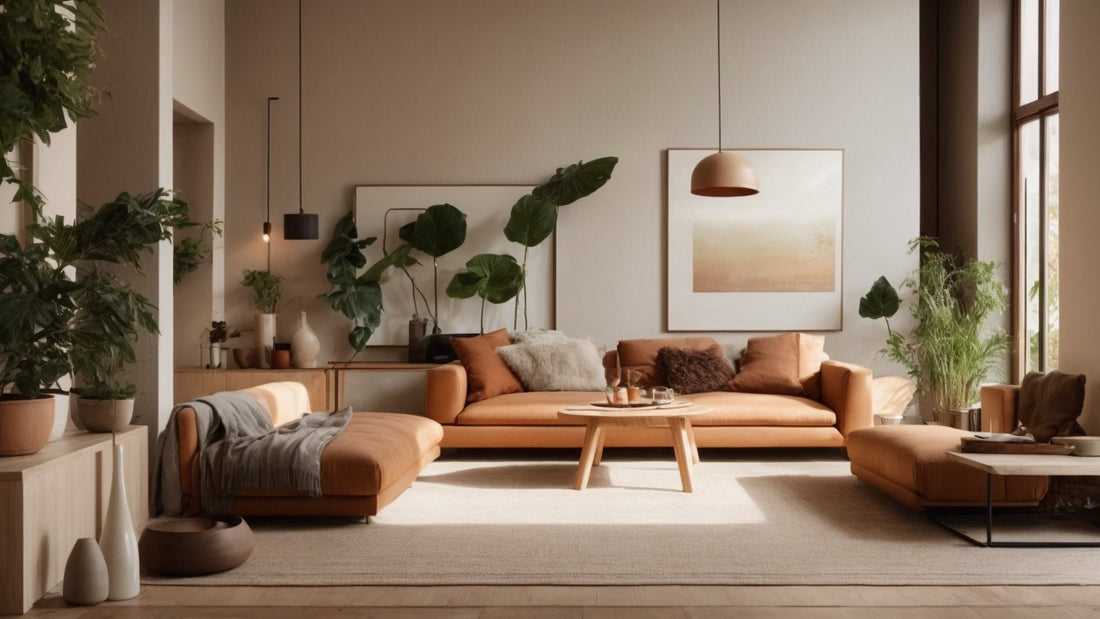
Embrace Tranquility with Japandi Design: The Art of Harmonious Living
In the relentless pace of modern life, the desire for a peaceful sanctuary within our own homes has never been stronger. Many are discovering the profound serenity offered by Japandi design, an elegant and minimalist interior style that artfully merges the warmth of Scandinavian living with the serene simplicity of Japanese aesthetics. This fusion transcends mere trends; it represents a philosophy of mindful living, prioritizing functionality, natural beauty, and a deep sense of calm.
If you are seeking home inspiration to transform your dwelling into a haven of peace and order, understanding and implementing Japandi design principles is an enriching journey. The Japandi movement, continuing its ascent in 2025, is a deliberate lifestyle shift. It draws from two rich design traditions that share a common ground in their reverence for simplicity, nature, and functionality: Scandinavian design (with its emphasis on hygge) and the Japanese appreciation for minimalism and the beauty found in imperfection (wabi-sabi).
The Essence of Japandi Style: A Philosophy of Intentionality
At its core, Japandi style is an invitation to live intentionally. It champions a “less is more” ethos, where every object, texture, and line is carefully considered for its purpose. This approach naturally aligns with minimalist design, stripping away the superfluous to reveal the inherent beauty of essential forms and materials.
Unlike styles that rely on excessive ornamentation, Japandi embraces clean lines, uncluttered surfaces, and a profound respect for craftsmanship. The result is a space that feels both sophisticated and deeply inviting, fostering a truly cozy home experience. This intentionality encourages a conscious interaction with one's surroundings, promoting mindfulness, reducing stress, and fostering a sense of peace. It advocates for quality over quantity and for enduring pieces that bring joy and utility.
Key Elements of Japandi Home Decor: Crafting a Serene Atmosphere
Achieving a calm and balanced home through Japandi design involves a thoughtful curation of specific elements. Here is a deeper dive into the essential ingredients for your home decor:
- A Soothing Palette of Neutral Colors: The foundation is a calm color scheme, dominated by neutral colors. Think soft whites, creamy beiges, earthy taupes, muted grays, and natural wood tones. Subtle, nature-inspired accents can be introduced sparingly. This restrained color approach visually expands spaces, making it ideal for small spaces.
- The Prominence of Natural Materials: A defining characteristic is the deep connection to nature, expressed through the generous use of natural materials. Light-toned woods (oak, ash), bamboo, rattan, jute, linen, wool, and cotton are key. These materials add visual and tactile richness while promoting a healthier indoor environment.
- Uncompromising Functionality and Simplicity: Both Japanese and Scandinavian (or Nordic interior) traditions place immense value on practicality. Furniture is chosen for its efficient and elegant purpose, often featuring dual functionality, which is especially crucial in small spaces. The aesthetic emphasizes simplicity, with smooth finishes and timeless, contemporary silhouettes.
- Mindful Arrangement and Negative Space (Ma): The art of arrangement creates harmony through intentionality and the strategic use of negative space, known as 'ma' in Japanese culture. Each object is given room to be appreciated, preventing visual clutter and promoting order. The empty spaces are as important as the filled ones, allowing the eye and mind to rest.
- Embracing Imperfection (Wabi-Sabi): Japandi incorporates the Japanese philosophy of 'wabi-sabi' – the appreciation of beauty that is imperfect, impermanent, and incomplete. This adds a layer of authenticity and soul to the design, reminding us to find beauty in the natural evolution of things.
- Biophilic Design and Connection to Nature: A strong biophilic element fosters a sense of connection with the outdoors. This is achieved through ample natural light, live plants (bonsai, ferns), and artwork featuring natural landscapes or organic forms. The goal is to blur the lines between indoor and outdoor living.
- Subtle Craftsmanship and Artisanal Touches: Japandi design values the skill and artistry of human hands. While the overall aesthetic is minimalist, there is an appreciation for well-crafted items—hand-woven textiles, subtly carved wooden details, or unique ceramic pieces—that add warmth and personality.
Bringing Japandi Principles into Your Home: A Step-by-Step Approach
Embarking on the journey to create a Japandi-inspired home is a process of thoughtful curation and mindful living:
- Declutter with Intention: Systematically declutter your home, keeping only what serves a purpose or holds significant meaning. This is the foundational step to creating a serene environment.
- Choose Furniture Wisely: Select modern furniture pieces characterized by clean lines, natural wood finishes, and understated designs. Prioritize quality and functionality, opting for low-profile, multi-functional pieces, especially for small spaces.
- Layer Textures and Neutral Colors: Introduce warmth and comfort through textiles made from natural materials such as linen, cotton, and wool. Stick to a palette of neutral colors, layering different shades and textures to create depth and coziness.
- Incorporate Natural Elements: Bring the outdoors in with houseplants, ceramic vases, wooden bowls, or stone accents, enhancing the connection with nature.
- Embrace Simplicity in Decor: Opt for a few carefully chosen decorative items, such as artisanal ceramics or minimalist artwork, rather than many. Less is truly more.
- Prioritize Lighting: Maximize natural light and supplement with soft, diffused artificial light from lamps with natural material shades. Use dimmable options to adjust the mood.
- Incorporate Wabi-Sabi Touches: Don’t shy away from slight imperfections, as they add character and make your space feel more authentic and lived-in.
- Focus on Flow and Functionality: Arrange your furniture to facilitate easy movement and ensure that each area serves its intended purpose efficiently.
A Lasting Aesthetic for Mindful Living in 2025
The Japandi style is more than just a fleeting design trend; it’s a timeless aesthetic that promotes a lifestyle of mindfulness, intention, and tranquility. In 2025, Japandi offers a powerful framework for creating a home that is not only visually stunning but also deeply nurturing.
By embracing its core principles – the elegance of simplicity, the beauty of natural materials, and the importance of functional design – you can cultivate a serene living environment that resonates with peace and enduring style. This approach to home decor provides endless home inspiration for creating a truly comfortable and beautiful sanctuary. The principles of Japandi are adaptable and scalable, offering a path to a calmer, more intentional existence, regardless of the size of your home.


