
Integrating Smart Storage and Wellness Zones: Advanced Design Techniques for a Cohesive Home Office and Fitness Space
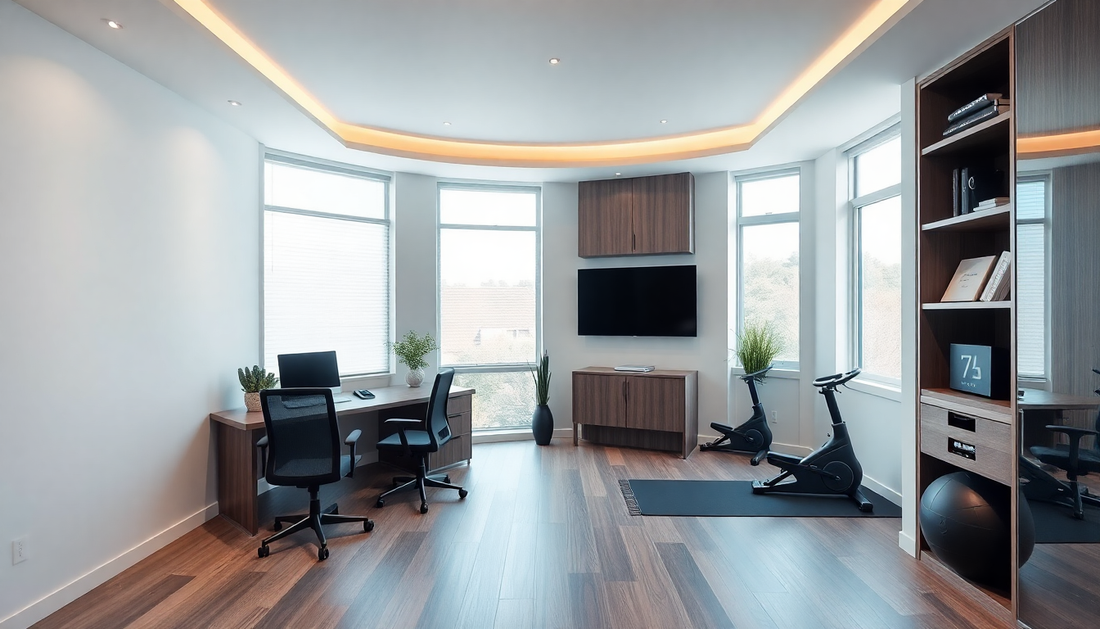
Introduction
As the boundaries between work, life, and wellness continue to blur, the modern home has transformed into a multifunctional haven. Today, integrating a home office with a dedicated fitness space is not only a trend but a necessity for those seeking balance, productivity, and well-being under one roof. The key to achieving this harmony lies in advanced design techniques that seamlessly combine smart storage solutions with thoughtfully crafted wellness zones.
This comprehensive guide explores how you can create a cohesive home office and fitness area that maximizes space, enhances mental clarity, and supports physical health using innovative design principles and technology. Whether you’re working remotely, pursuing fitness goals, or simply looking to optimize your living space in 2025, these expert insights will help you transform your home environment.
The Rising Need for Multifunctional Spaces
With remote work becoming a permanent fixture for many and health consciousness reaching new heights, homes must evolve to accommodate both productivity and physical activity. The challenge? Combining these two seemingly different functions without clutter, stress, or compromise.
Creating a multifunctional space that supports work and wellness encourages:
- Improved Productivity: A well-organized environment reduces distractions and increases focus.
- Better Physical Health: Easy access to a fitness zone promotes regular exercise and reduces sedentary habits.
- Enhanced Mental Well-being: The ability to switch environments within your home can reduce burnout and improve mood.
- Space Optimization: Smart design maximizes the usability of limited square footage.
Smart Storage Solutions: The Backbone of a Dual-Purpose Space
Storage is often the biggest challenge when combining a home office and fitness area. Without smart solutions, clutter quickly accumulates, diminishing both productivity and focus.
Innovative Storage Techniques
- Custom Built-ins: Tailor-built cabinetry along walls can neatly house office supplies, files, and fitness equipment. Incorporate adjustable shelving to accommodate evolving storage needs.
- Under-Desk Storage: Utilize the space beneath your desk for rolling carts or compact storage bins that keep essentials within reach yet out of sight.
- Multipurpose Furniture: Invest in desks with integrated storage compartments or ottomans with hidden space to store smaller workout accessories such as resistance bands or yoga blocks.
- Vertical Storage Systems: Pegboards, wall-mounted racks, and floating shelves free up floor space and create visually appealing displays for both office and fitness items.
- Concealed Storage: Use sliding doors, panels, or fold-away compartments to hide fitness equipment when not in use, maintaining a clean office aesthetic.
Organizational Best Practices
Efficient storage goes hand-in-hand with smart organization:
- Labeling: Use clear labels or color-coded bins to quickly find what you need.
- Decluttering: Regularly assess and remove unused items to keep the space fresh and functional.
- Accessibility: Store frequently used items within arm’s reach and less-used items higher up or in less accessible areas.
- Zones Within Storage: Dedicate specific storage compartments for office supplies, workout gear, and wellness accessories to maintain order.
Designing Wellness Zones to Promote Physical and Mental Health
A dedicated wellness zone within your home office is more than just a workout corner; it’s a sanctuary that nurtures your body and mind.
Key Elements of an Effective Wellness Zone
- Optimal Lighting: Natural light invigorates and uplifts mood, so position your wellness zone near windows where possible. For darker spaces, install full-spectrum or adjustable lighting that mimics daylight.
- Comfortable Flooring: Select flooring materials such as cork, rubber, or foam tiles that provide cushioning and support for physical activities.
- Air Quality and Ventilation: Good airflow and air purification systems contribute to a healthier workout environment.
- Tranquil Color Palettes: Choose calming or invigorating colors depending on the intended use of the space. Soft blues and greens promote relaxation, while brighter hues like orange or yellow can boost energy.
- Incorporation of Nature: Indoor plants not only improve air quality but also create a calming atmosphere that enhances focus and reduces stress.
- Personalization: Add items that motivate you, such as inspirational art, candles, or essential oil diffusers.
Creating a Flexible Fitness Area
Since space is often limited, the wellness zone should be adaptable to various workouts:
- Foldable Equipment: Items like foldable treadmills, adjustable dumbbells, or collapsible benches can be stored easily when not in use.
- Open Floor Space: Maintain a clear area for yoga, stretching, or bodyweight exercises.
- Mirrors: Installing mirrors not only helps with workout form but also visually expands the space.
Technology Integration: Enhancing Functionality and Experience
Smart technology bridges the gap between productivity and wellness by making your space more interactive, efficient, and enjoyable.
Smart Lighting Systems
Adjustable lighting controlled via smartphone apps or voice commands allows you to switch between bright, focused illumination for work and softer, mood-enhancing light for relaxation or exercise.
Voice-Activated Storage and Assistants
Smart assistants can help you locate stored items or control storage mechanisms, such as motorized shelves or hidden compartments, enhancing convenience.
Fitness Tech Integration
- Interactive Mirrors: These devices offer virtual workouts and real-time feedback.
- Wearable Devices: Sync your fitness trackers with home systems to monitor your activity and health metrics.
- Smart Speakers and Displays: Stream music, podcasts, or guided fitness classes to keep motivation high.
Noise Management
Incorporate noise-cancelling panels, white noise machines, or smart soundproofing solutions to minimize distractions and maintain privacy during calls or workouts.
Advanced Design Techniques for Seamless Integration
Blending your home office and wellness zone requires thoughtful planning to maintain a cohesive aesthetic and functional flow.
Zoning and Spatial Planning
- Furniture as Dividers: Use shelving units, desks, or benches as physical separators that define each area without closing off the space.
- Area Rugs: Rugs can visually demarcate zones while adding warmth and texture.
- Color Coordination: Apply a consistent color scheme across both zones to unify the space.
- Flexible Layouts: Design layouts that allow easy reconfiguration depending on your daily needs.
Maintaining Visual Harmony
- Consistent Materials: Use similar wood finishes, metal accents, or fabrics throughout to create a cohesive look.
- Minimalist Approach: Embrace minimalism to reduce visual clutter and promote calmness.
- Artwork and Decor: Select pieces that complement both work and wellness themes, such as abstract art or nature-inspired prints.
Practical Considerations
- Ergonomics: Invest in ergonomic office furniture and supportive fitness gear to prevent strain and injury.
- Storage Accessibility: Ensure that fitness equipment can be easily stored and accessed without interfering with your work area.
- Safety: Maintain clear pathways and proper lighting to reduce the risk of accidents.
Maintenance and Upkeep
A well-designed space requires regular care to maintain its functionality and appeal.
- Routine Cleaning: Keep surfaces dust-free and floors clean to create a healthy environment.
- Equipment Checks: Regularly inspect fitness gear and office technology to ensure they are in good working order.
- Seasonal Updates: Refresh your space with new decor, plants, or storage solutions as your needs evolve.
Case Studies: Real-Life Examples
Consider these examples of successful integration:
- Urban Apartment: A compact city apartment uses vertical wall storage and fold-away equipment to create a fluid work and fitness space. Sliding panels hide the workout gear during office hours.
- Suburban Home: A converted spare bedroom features a built-in desk and cabinetry on one side, with a wellness nook featuring a stationary bike and yoga area on the other. Smart lighting adjusts according to activity.
Conclusion
Integrating smart storage with wellness zones to create a cohesive home office and fitness space is a forward-thinking approach that aligns with the evolving needs of modern living. By embracing advanced design techniques—from custom storage and ergonomic furniture to technology integration and mindful zoning—you can cultivate a home environment that nurtures productivity, health, and balance.
As we advance through 2025, the demand for multifunctional spaces will only grow. Investing time and creativity into designing a smart, harmonious space now will pay dividends in your daily productivity and well-being. Start planning today to transform your home into a sanctuary where work and wellness thrive side by side.

Cozy French Provincial Living Room Ideas That Evoke Elegant Charm and Homely Warmth

Cozy Moroccan Boho Home Office with Warm Textures and Ambient Lighting for Inspired Productivity

Opulent Farmhouse Kitchen Decor Ideas for Cozy Entertaining and Timeless Charm

Cozy Farmhouse Kitchen Decor Ideas for Elevated Warmth and Timeless Charm

Cozy Farmhouse Living Room Ideas That Radiate Warmth and Timeless Charm for Modern Homes
