
From Desk to Dojo: How Adaptive Zoning, Biophilic Design, and Smart Tech Create a Wellness-Driven Home Office and Gym
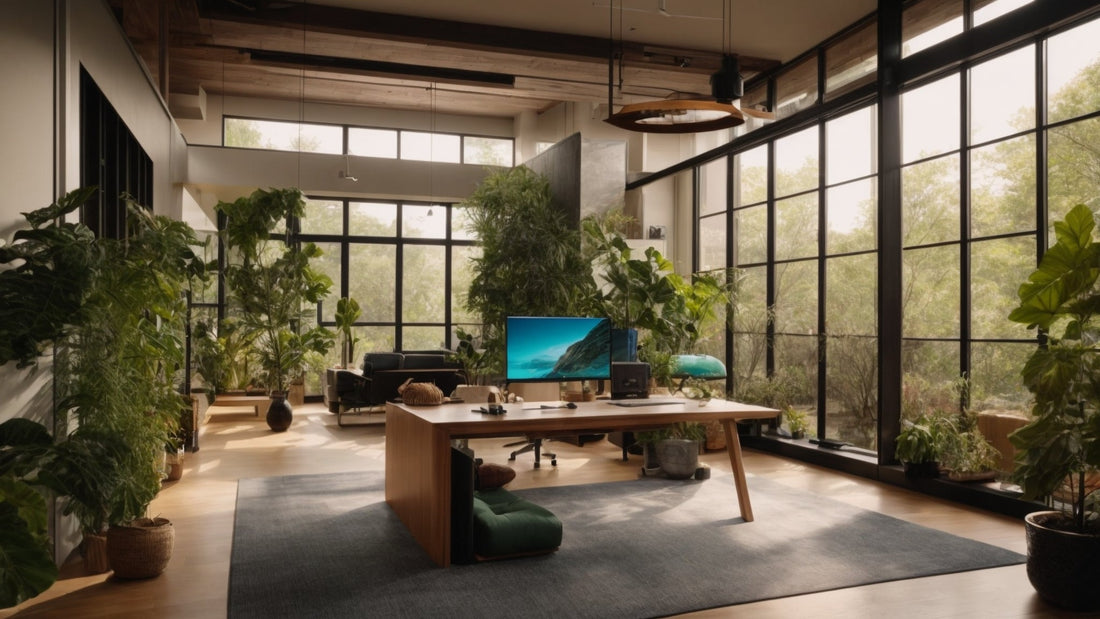
Introduction: The Evolution of Home Workspaces and Wellness in 2025
By 2025, hybrid work and personal wellness are not trends — they are expectations. People want spaces that support deep work, focus, and creativity while making it easy to move, recover, and maintain fitness. The ideal solution is a combined home office and gym that feels intentional rather than cluttered: a "desk-to-dojo" that respects boundaries, optimizes physiology, and automates healthy routines.
Why Combine an Office and a Gym?
- Time efficiency: Remove barriers between work and movement so workouts happen more often and shorter breaks become restorative rather than disruptive.
- Space optimization: For urban homes and smaller residences, a dual-purpose room reduces the need for separate dedicated spaces.
- Mental health and productivity: Movement and exposure to nature elements improve concentration, mood, and resilience.
- Cost-effectiveness: Investing in flexible, durable equipment and multi-use furniture yields long-term ROI.
SEO and Content Strategy: How This Article Helps You Rank
To maximize search visibility, this article targets high-value queries around "home office gym," "biophilic design home office," "adaptive zoning," and "smart home gym office." It offers practical, actionable advice, product-agnostic best practices, and multiple use-case layouts for different budgets and square footage — the type of content search engines reward for user intent and comprehensiveness.
Three Pillars: Adaptive Zoning, Biophilic Design, Smart Technology
These three pillars work synergistically:
- Adaptive zoning creates clear functional areas with flexible boundaries that change by time of day or activity.
- Biophilic design introduces nature-driven elements that reduce stress and accelerate recovery.
- Smart technology automates ideal conditions and nudges behavior with low friction.
Deep Dive: Adaptive Zoning — Spatial Strategies That Work
Adaptive zoning is more than dividing a room. Its about creating psychological cues and systems that make switching between work and exercise simple and satisfying.
Types of Zoning
- Physical zoning: Use different floor materials (rubber or interlocking tiles for gym, wood or carpet for office) and furniture placement to create physical separation.
- Visual zoning: Rugs, shelving, and screens create visual boundaries without permanent walls.
- Acoustic zoning: Sound-absorbing panels and curtains contain workout noise and improve conference call quality.
- Temporal zoning: Schedule the room for certain activities at specific times using smart automation and calendar integration.
Layout Patterns by Room Type
Plan layouts around common room footprints. Below are patterns that scale from compact to large rooms.
- Studio / Corner Setup (under 100 sq ft)
- Place a compact fold-down desk or wall-mounted sit-stand desk near a window if possible.
- Reserve a 46#x2032; x 66#x2032; rubber mat zone for core, mobility, and dumbbell work.
- Use a vertical storage tower and wall hooks for bands and ropes.
- Small Room (1006#x2013;180 sq ft)
- Use a low bookshelf to separate desk and gym visually while preserving sightlines.
- Fit a foldable treadmill or compact air bike that stows vertically.
- Large Room (180+ sq ft)
- Create distinct zones with different flooring and a clear transition walkway.
- Include a small dedicated warm-up/mobility bay and a stronger equipment zone with a rack or bench.
Equipment Curation: Choosing Gear that Supports Flexibility
Invest in multi-functional, foldable, and scalable equipment. Pick items that align with your goals and space allowances.
- Strength foundations: Adjustable dumbbells, kettlebells, suspension trainer (TRX-style), and a foldable bench.
- Cardio options: Compact treadmill (folding), air bike, rower, or stair-stepper depending on space and noise tolerance.
- Mobility and recovery: Foam roller, lacrosse ball, bands, yoga mat, and a massage gun.
- Technology-enabled equipment: Smart bike or rower that connects to virtual classes and logs progress.
Biophilic Design: Science-Backed Ways to Bring Nature In
Biophilic design isn't just decoration. It leverages evolutionary psychology and circadian biology to support attention and recovery.
Light and Circadian Considerations
- Daylight maximization: Position the desk to face a window or to have a window nearby; daylight exposure supports circadian health.
- Tunable lighting: Use fixtures with adjustable CCT (color temperature) and intensity. Cooler light (40006#x2013;6500K) aids focus in the morning; warmer light (27006#x2013;3500K) supports evening cool-downs.
- Lux targets: Aim for 3006#x2013;500 lux at the work surface for productive tasks; during high-intensity training, localized lighting near the gym zone at 5006#x2013;1000 lux can enhance perceived energy.
Plants, Air, and Materials
- Plant selection: Snake plant, pothos, spider plant, and Boston fern are low-maintenance and improve perceived air quality.
- Natural materials: Cork, bamboo, and reclaimed wood are durable and have lower embodied energy than luxury plastics.
- Air improvement: Pair plants with mechanical filtration (HEPA) and ventilation; plants complement but do not replace proper ventilation, especially during workouts.
Soundscapes and Water Elements
Sound can be restorative. Consider subtle nature soundtracks during breaks or a small tabletop fountain (low splash) for a calming auditory backdrop. For workouts, cue-based audio helps pacing and motivation.
Smart Technology: Automate Conditions and Encourage Movement
Smart tech turns intention into action. Use automation to switch modes, cue warm-ups, and maintain air quality and comfort without thinking about it.
Core Smart Systems and How They Support the Space
- Smart lighting scenes: Set "Focus," "Workout," and "Cooldown" presets that adjust brightness and color temperature with one tap or schedule.
- Climate and ventilation: Smart thermostats plus demand-controlled ventilation keep CO2 in check. Integrate with air quality sensors for VOCs and particulates.
- Audio and media: Multi-zone audio allows different sources for calls and workouts. Use voice assistants or physical buttons for quick transitions.
- Wearable and equipment sync: Sync workout equipment and wearables to your calendar. Trigger short movement breaks based on sedentary time detected by devices.
Practical Automation Examples
- Morning routine: At 7:00 AM, light gently ramps up to 4000K, an air purifier runs for 10 minutes, and a short 5-minute mobility playlist starts automatically.
- Focus mode: Calendar event starts "Focus" and lights switch to 5000K at 80% brightness; do-not-disturb on phone turns on; ambient white noise engages to mask household sounds.
- Workout trigger: When you open the gym cabinet or unroll your mat, motion sensors or a smart plug detect activity and cue the "Workout" preset: higher-intensity lighting, music on, and the air purifier increases flow.
Privacy, Security, and Data Practices
With smart tech comes data and privacy responsibility. Use local processing when possible, strong passwords, minimal cloud retention, and clear boundaries for any cameras. Prefer presence-based automation (e.g., phone proximity) over continuous video monitoring.
Ergonomics: The Desk Side of the Equation
Ergonomics must remain central to prevent long-term musculoskeletal issues from increased home working.
- Desk height: For a seated posture, elbows should be at a 906#xB0; angle; for standing, the desk should be at wrist height while standing. Consider an adjustable sit-stand desk.
- Monitor placement: Top of monitor at or slightly below eye level; 206#x2013;30 inches from the eyes for a single large screen. Use arms and risers to optimize position.
- Chair support: A chair with lumbar support, adjustable seat depth, and armrests that can retract or adjust is ideal.
- Keyboard and mouse: Keep wrists neutral. Consider a split keyboard and vertical mouse if you have wrist issues.
- Movement scheduling: Alternate sitting and standing every 306#x2013;60 minutes. Use microbreaks for mobility to interrupt static postures.
Lighting and Visual Comfort: Practical Specs
Good lighting reduces eye strain and supports circadian rhythms.
- Task lighting: Adjustable desk lamp with a CRI 90+ for accurate color rendering. Position to avoid screen glare.
- Ambient lighting: Even distribution to avoid high contrast between screen and background.
- Accent lighting: Use wall washers or picture lights to create depth and prevent a flat environment.
Acoustics: Controlling Noise for Calls and Workouts
Sound management is a cornerstone of dual-use rooms.
- Absorption: Acoustic panels, heavy curtains, and rugs help absorb mid- to high-frequency sound.
- Diffusion: Bookshelves and textured surfaces scatter sound and reduce flutter echo.
- Isolation: For heavy lifting or high-impact cardio, consider mass-loaded vinyl underlay or interlocking rubber tiles to protect subfloors and lower transmitted impact noise.
Safety and Maintenance
Protect people and gear with careful planning and regular upkeep.
- Flooring safety: Non-slip rubber in the workout zone and smooth, level transitions to the office area.
- Equipment anchoring: Wall anchors for racks and heavy wall-mounted gear. Check mounting hardware and weight ratings.
- Cleaning: Wipe down high-touch surfaces and equipment after workouts. Use disinfectant safe for electronics when needed.
- Inspect: Monthly checks for loose bolts, frayed cables, and wear on rubber flooring.
Budgeting: Cost Tiers and ROI
Design costs vary by finish, equipment, and tech sophistication. Below are rough ranges (USD) to help plan.
- Budget (under $2,000): Secondhand adjustable dumbbells, basic desk, ergonomic chair, small air purifier, a few plants, LED desk lamp, and storage solutions.
- Mid-range ($2,0006#x2013;$8,000): Sit-stand desk, quality adjustable dumbbells, a foldable treadmill or air bike, tunable smart lighting, smart thermostat, acoustic panels, and several durable natural finishes.
- High-end ($8,000+): Integrated smart systems (multi-room audio, advanced HVAC integration), commercial-grade rack and bench, high-end flooring, custom built-ins with biophilic features, and premium ergonomic furniture.
Return on investment: consider fewer gym memberships, reduced commuting costs, improved productivity, and better health outcomes (fewer sick days and improved concentration) as part of the long-term ROI.
Case Study 1: The Urban Studio (110 sq ft)
Profile: Single professional in a 1-bedroom apartment who wants daily strength and mobility sessions plus uninterrupted work hours.
- Design choices: Wall-mounted sit-stand desk, foldaway treadmill hidden behind a sliding panel, 46#x2032; x 66#x2032; rubber mat, vertical dumbbells, a low bookshelf partition, and an air purifier with CO2 sensor.
- Biophilic touches: Narrow planters on the window ledge and a hanging fern for texture.
- Automations: Motion sensor triggers workout scene; calendar-based focus mode dims ambient lights and turns on white-noise generator.
- Outcome: Increased frequency of short workouts, improved ergonomic posture, and fewer midday energy slumps.
Case Study 2: The Family Basement Studio (250 sq ft)
Profile: Two parents sharing space for remote work and family fitness. Need to minimize noise and create privacy during calls.
- Design choices: Two desk stations back-to-back with acoustic screens, a mini power rack, multi-grip bar, adjustable bench, and a mid-sized rower. Durable rubber tile flooring throughout workout zone.
- Biophilia: Vertical green wall with a drip-irrigation system and a small zoned skylight retrofit for daylight.
- Smart tech: Zoned audio, camera-based presence detection to mute microphones when a child enters the room, and a ventilation boost during workouts.
- Outcome: Higher family activity levels, better work-life separation through scheduled gym hours, and improved call quality with acoustic treatment.
Behavioral Design: Making Activity Automatic
Design is powerful only if it changes behavior. Use behavior science to create systems that reduce friction and increase the likelihood of consistent movement.
- Implementation intentions: Plan when and how you will use the space, e.g., "After my 11:00 AM meeting, I will do 12 minutes of mobility."
- Habit stacking: Anchor a new behavior to an existing habit (e.g., after your morning coffee, do a 5-minute mobility circuit).
- Environmental nudges: Keep bands and a mat visibly stored next to your desk so using them is the path of least resistance.
- Public commitment: Put gym times on your shared calendar to protect them and increase adherence.
Sample Weekly Routine for Balanced Work and Movement
Heres a sample schedule for an average office worker who wants daily movement and productivity:
- Monday: AM - 20-minute HIIT or bike; PM - standing desk focus blocks with two 5-minute mobility breaks.
- Tuesday: AM - strength session (full body) 306#x2013;40 minutes; PM - light stretching and restorative audio session.
- Wednesday: Mobility-focused morning 20 minutes; mid-day 10-minute walk or air bike intervals.
- Thursday: Hard cardio or hill intervals; PM - shorter focused work blocks.
- Friday: Strength maintenance and active recovery yoga; weekly reflection and planning for next week6#x2013; set goals for movement minutes.
- Weekend: Longer outdoor activity for variety and more natural light exposure.
Accessibility and Inclusivity Considerations
Design the desk-to-dojo to support different bodies and abilities:
- Adjustable-height desks and work surfaces that can accommodate seated and standing users, and those using mobility devices.
- Clear pathways with 326#x2013;36 inch width for wheelchair access where required.
- Equipment with adaptive options: resistance bands, adjustable benches, and accessible grips.
- Visual contrast and tactile markers for low-vision users; captioned and transcripted workout media for hearing-impaired users.
Maintenance Plan: Keep Your Space Performing
- Daily: Wipe down workout surfaces, put away equipment, and declutter desk area.
- Weekly: Vacuum/clean floors, check for wear on rubber tiles, water plants, and update smart automations if behavior has changed.
- Monthly: Inspect equipment bolts, lubricate moving parts, replace air filters if needed, and back up smart system settings.
- Annually: Deep clean, refresh plants, and reassess layout to match evolving work and fitness goals.
Common Challenges and How to Solve Them
- Noise complaints: Add mass to flooring, use rug underlay, or schedule high-impact sessions when others are out of the house.
- Clutter accumulation: Install visible but tidy storage and a 5-minute end-of-day tidy ritual.
- Technology overwhelm: Start with 16#x2013;2 automations (lighting and air quality) and expand only when those reduce friction.
- Inconsistent workouts: Use calendar blocking and short, achievable sessions (106#x2013;20 minutes) to build momentum.
SEO Checklist: On-Page Tips for This Topic
- Primary keywords: "home office gym," "desk to dojo," "adaptive zoning," "biophilic home office," "smart home gym."
- Supporting keywords: "sit-stand desk workout breaks," "indoor air quality gym," "compact home gym layout," "home office ergonomics 2025."
- Meta description suggestion (under 160 characters): Transform your room into a wellness-driven home office + gym with adaptive zoning, biophilic design, and smart tech.
- Use descriptive alt text for images: "small home office with foldable treadmill and plant wall" rather than generic filenames.
- Internal links: Link to related pages on ergonomics, indoor air quality, and smart home automation basics for greater topical depth.
Extended FAQ
- Q: Can a small apartment realistically support a home office and gym?
A: Yes. Focus on compact, foldable equipment, vertical storage, and visual zoning. Prioritize mobility, resistance bands, and adjustable dumbbells for strength.
- Q: How do I keep a home gym quiet so others arent disturbed?
A: Use interlocking rubber tiles, limit high-impact jumping, prefer rowers or bikes over treadmills for less impact, and schedule louder sessions thoughtfully.
- Q: Do plants replace the need for an air purifier?
A: No. Plants contribute to wellbeing and some VOC reduction but are not a substitute for HEPA filtration and proper ventilation, especially during exercise.
- Q: Whats the most important smart automation to start with?
A: Lighting scenes tied to calendar events are high-impact: they shift mental state quickly and are easy to implement. Air quality monitoring as a second priority is critical for safe workouts.
30/60/90 Day Implementation Plan
- Days 16#x2013;30: Audit the space, measure, choose core furniture and two pieces of gym equipment; implement ergonomic basics and a single lighting scene.
- Days 316#x2013;60: Add biophilic elements, acoustic treatments, and smarter automations (air quality and workout triggers). Begin a 4-week movement habit program.
- Days 616#x2013;90: Optimize storage, test alternate layouts, refine automations based on real use, and evaluate ROI (time saved, workouts completed, comfort improvements).
Conclusion: Designing for Sustainable Performance
Creating a wellness-driven home office and gym is a blend of intentional planning, strategic investment, and gentle behavior design. Adaptive zoning keeps the space useful and uncluttered; biophilic design replenishes attention and resilience; smart tech lowers the activation energy for healthy choices. The result is a versatile, high-performing room that supports both professional success and physical wellbeing.
Next Steps: Start Your Transformation Today
Sketch your existing room, choose one immediate improvement (e.g., a sit-stand desk or a set of adjustable dumbbells), and implement a single automation that reduces friction (lighting scene or air quality notifier). Small, consistent steps compound into a room that truly bridges your desk and dojo.
Discover more daily finds
Smart home ideas, decor inspiration, gadgets and unique product discoveries. Join WhatsApp Channel

Cozy French Provincial Living Room Ideas That Evoke Elegant Charm and Homely Warmth

Cozy Moroccan Boho Home Office with Warm Textures and Ambient Lighting for Inspired Productivity

Opulent Farmhouse Kitchen Decor Ideas for Cozy Entertaining and Timeless Charm

Cozy Farmhouse Kitchen Decor Ideas for Elevated Warmth and Timeless Charm

Cozy Farmhouse Living Room Ideas That Radiate Warmth and Timeless Charm for Modern Homes
