
Trigger-Based Micro-Rituals: Design a Home Office with Wearable Nudges, Energy-Aware Microzones and Circadian Lighting to Make Movement Automatic
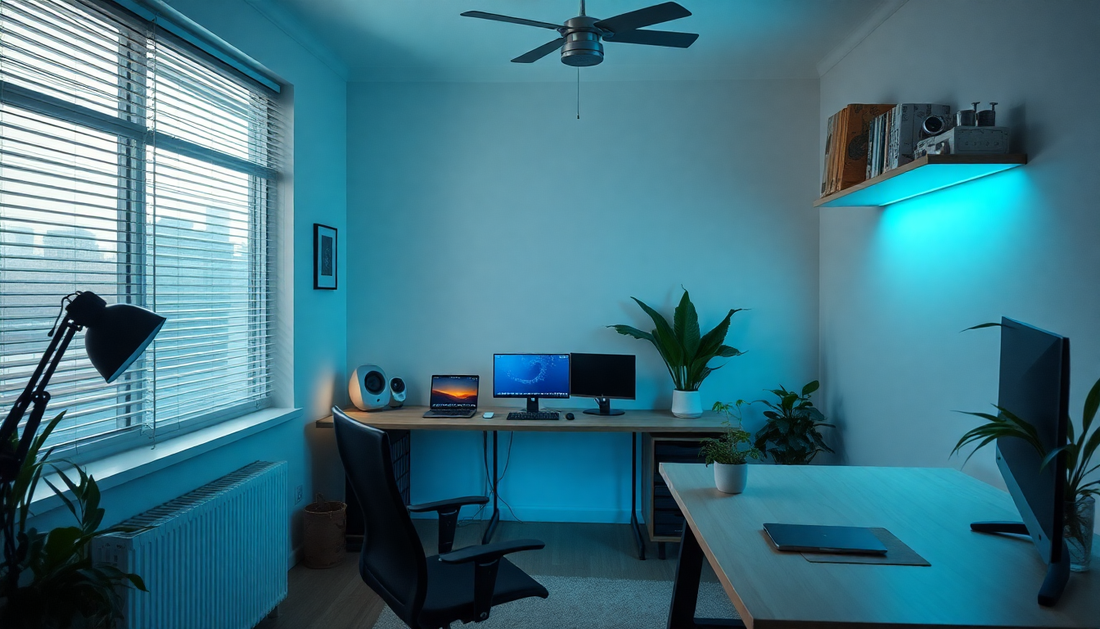
Introduction: The case for designing movement into the home office
In 2025, hybrid and remote work are the default for millions. The convenience of working at home comes with an unintended cost: more sitting, fewer incidental movements, and fragmented energy across the day. Instead of fighting inertia with painful hour-long workouts or calendar-based breaks you forget, design a home office that nudges movement into the seams of your day.
This article explains how to combine three complementary systems—trigger-based micro-rituals, wearable nudges, and energy-aware microzones—with circadian lighting to make movement an automatic response to context. You’ll get scientific rationale, detailed setup instructions, product-agnostic implementation strategies, sample routines, troubleshooting guidance, accessibility and privacy considerations, and a 30-day rollout plan.
Why micro-rituals work: behavior science and physiology
Micro-rituals are tiny, well-cued actions tied closely to a specific trigger. Several behavior science principles explain their effectiveness:
- Cue-response-reward loops: Small rituals create a short loop (trigger → action → feedback) that builds habit without large cognitive overhead.
- Reduce friction: Tiny actions lower activation energy, making it easier to start movement than to skip it.
- Context-dependent memory: When the environment consistently pairs a cue with an action, the cue itself primes the behavior.
- Temporal discounting reduction: Short bursts of movement provide immediate feedback (breath, warmth, alertness) that beat the brain’s preference for immediate comfort.
Physiologically, frequent short activity improves circulation, reduces musculoskeletal strain, supports glucose regulation, and sustains cognitive performance better across the day than a single exercise bout. Combining physiological benefit with behavioral design maximizes adherence.
Key components defined
- Trigger-based micro-rituals: 15–120 second actions (stretches, steps, breathwork) initiated by a defined cue.
- Wearable nudges: Vibration, chimes, or on-screen alerts from devices that detect context and deliver prompts.
- Energy-aware microzones: Small spatial areas purpose-built for specific energy states (high-energy, focus, calm) that afford particular micro-rituals.
- Circadian lighting: Dynamic ambient lighting that supports circadian rhythms and doubles as a visual cue for rituals.
Principles for designing automatic movement
- Tight cue-action mapping: Ensure each trigger leads to a single, unambiguous action.
- Simplicity and repeatability: Keep rituals simple and the same for at least two weeks to build momentum.
- Small physical distance: Microzones should be 5–30 seconds away from primary work positions.
- Multimodal cues: Combine wearable, visual, and spatial cues to strengthen the trigger.
- Progressive variety: Rotate micro-rituals weekly to prevent habituation while keeping core cues stable.
- Positive, low-friction rewards: Immediate, subtle feedback (light pulses, tracker emojis, feelings of warmth) reinforce repetition.
Designing wearable nudges that people keep
Wearables are central—your nudge engine. But misuse leads to annoyance. Follow these steps:
- Choose the right device: Use a wearable that supports customizable reminders and integrates with your preferred smart home or phone platform.
- Use context-aware triggers: Prefer triggers that combine signals (e.g., continuous sitting + low HR variability + calendar says focus) to avoid false positives.
- Design gentle patterns: Short vibration bursts or two-tone chimes work better than loud alarms.
- Allow quick dismissal and snooze: Let users defer nudges for 15–30 minutes during meetings or deep work.
- Personalize intensity and frequency: Start conservative (every 50–60 minutes) and adapt based on feedback and usage.
- Pair nudges with instruction: Each nudge should include a micro-ritual label (e.g., "60s chest opener") accessible on the paired phone or watch face.
Mapping energy-aware microzones for small homes
A typical microzone is 2–6 square feet. The goal is not a full gym but distinct spots that cue different energy states.
- High-energy microzone (near window or bright light): mini-stepper, resistance band anchors, space for brisk in-place movement.
- Active transition microzone (a short path between desk and kitchen): designated for short walks or stair bursts.
- Focus microzone (your desk): ergonomic setup, hydration station, foot mobility mat, and immediate cues for posture micro-rituals.
- Calm microzone (corner with soft lighting): chair or cushion for breathing, progressive muscle relaxation, evening decompression.
In small apartments, use vertical separation (shelf-based equipment, wall-mounted bands) and tactile floor markers to create perceptual microzones without huge footprints.
Practical circadian lighting strategy and cues
Circadian lighting supports both physiology and behavior. Use it as an ambient cue set to your schedule:
- Wake & activate (6:00–10:00): Cool, bright light (approx. 5000–6500K) with moderate intensity. Use as a cue for the first activation micro-ritual within 30–60 minutes of starting work.
- Midday alert (10:00–15:00): Neutral temperature (3500–4500K) with steady intensity. Pair with standing micro-rituals and hydration prompts.
- Afternoon recalibration (15:00–18:30): Slightly warmer light and a soft dimming cue at a predetermined time for low-arousal micro-rituals.
- Wind-down & evening (after 18:30): Warm, low-intensity light (<3000K) to reduce blue light exposure and cue relaxation micro-rituals.
Automate transitions so lighting acts as a subconscious timekeeper. When lighting changes, it becomes a passive reminder to shift energy modes.
Micro-ritual library: 60+ short movements and cues
Below are categorized micro-rituals you can assign to wearable or lighting triggers. Keep each action 15–120 seconds.
- Posture & mobility (desk)
- Seated cat-cow (60s)
- Thoracic rotations while standing (45s)
- Neck tilt holds (30s)
- Shoulder blade squeezes (30–60s)
- Standing hip hinge with reach (60s)
- Cardio micro-bursts
- 30–60 seconds of high knees or marching in place
- Stair climb: two flights up and down (approx. 60s)
- Mini-stepper interval (60–90s)
- Strength micro-rituals
- Resistance band pull-aparts (30–60s)
- Wall push-ups (30–60s)
- Single-leg balance holds (30s each side)
- Breath and calm
- Box breathing (4-4-4-4 for 60s)
- Pursed-lip breathing and shoulder scans (60s)
- Progressive muscle relaxation mini-set (90–120s)
- Desk transitions
- Walk to water station and back (45–90s)
- Window gaze and posture reset—stand and look 20 feet away (30s)
How to map triggers to rituals (recipes)
Design simple recipes combining the trigger source, the context, and the micro-ritual. Example templates:
- Time + sitting: Wearable detects 50 minutes sitting → vibration → chest opener (60s) in focus microzone.
- Lighting shift + morning: Circadian lights brighten to cool white at start of day → automated prompt on screen to do 90s mobility in high-energy zone.
- Low step count + midday: Phone detects low steps by noon → push notification → 10-minute brisk walk or two 60s stepper bursts.
Sample day schedule (with triggers and micro-rituals)
Below is a detailed, SEO-friendly sample schedule you can adapt. Times are illustrative; align to your workday.
- 06:45 — Morning light & activation
- Lighting: slow ramp to 5500K for 20 minutes.
- Wearable: gentle buzz to indicate activation ritual.
- Ritual: 90 seconds of mobility in high-energy zone (band pull-aparts + hip hinges).
- 09:30 — First focus reset
- Trigger: 50–60 minutes of focused work detected by wearable.
- Ritual: 60s posture reset and walk to hydration station (hydrate, calf raises).
- 12:15 — Lunch movement
- Trigger: calendar lunch vs step count low.
- Ritual: 10–15 minute brisk walk or stair climb with sunlight exposure if possible.
- 15:00 — Afternoon recalibration
- Lighting: gradual warm shift begins.
- Trigger: wearable vibration and soft chime.
- Ritual: 60–90s breathing and progressive muscle relaxation in calm microzone.
- 17:30 — End-of-day transition
- Lighting: warm dim scene activates.
- Trigger: phone prompt to review day and take a 5-minute movement stretch sequence.
Detailed setup checklist: hardware, software and placement
Use this checklist to implement a robust system quickly.
- Hardware
- Wearable (smartwatch or clip) with programmable reminders
- Smart bulbs or a circadian lighting panel
- Mini equipment for microzones (stepper, bands, small dumbbells)
- Non-slip mat for posture micro-rituals
- Software
- Companion app for wearable that allows conditional reminders
- Smart home app for lighting scenes and schedules
- Simple habit tracker or notes app for logging micro-ritual completion
- Placement and ergonomics
- Place high-energy microzone within 5–20s of desk and near daylight if possible
- Hydration station on desk edge or adjacent shelf
- Visual markers (tape, small rug, plant) to signal microzone boundaries
Tracking, analytics and feedback loops
Measurement keeps momentum. Use these metrics:
- Objective metrics: steps, active minutes, micro-ritual completions recorded in your tracker.
- Subjective metrics: morning and evening energy/focus ratings on a 1–5 scale.
- Engagement metrics: percentage of nudges acted upon vs snoozed/dismissed.
Weekly review questions:
- Which nudges were most/least acted on?
- Did energy improve mid-afternoon?
- Which microzone felt most useful or intrusive?
Accessibility, ergonomics and inclusivity
Design must be inclusive. Consider these adaptations:
- Mobility constraints: Include seated micro-ritual alternatives (seated marches, chair-based stretches).
- Sensory sensitivity: Offer visual-only prompts, adjustable vibration intensity, or text-based cues for sound-sensitive users.
- Cognitive load: Keep instructions very short, with one-step rituals and optional audio guidance.
Privacy and data considerations
Wearables and smart home devices collect personal data. Follow best practices:
- Use local automation where possible—avoid sending sensitive data to cloud services if unnecessary.
- Review device permissions and disable data sharing with third parties you don’t trust.
- Store habit logs locally or in private notes if you prefer not to retain long-term tracking in external services.
Case studies and personas
These two short case examples show real-world adaptations.
- Persona 1: The Knowledge Worker (Sofia)
- Context: Back-to-back meetings, needs micro-mobility to reduce neck and shoulder tension.
- System: Wearable vibrates every 55 minutes outside calendar busy times. Focus microzone rituals are 45s posture resets. Lighting cues for midday and afternoon resets.
- Result: 70% reduction in afternoon stiffness complaints after two weeks; adherence improved when vibration pattern changed to a softer sequence.
- Persona 2: The Creative Freelancer (Marcus)
- Context: Flexible schedule, frequent deep creative blocks, disrupted sleep.
- System: Circadian lighting ramp tied to sleep schedule, wearable nudges aligned to natural work blocks, high-energy microzone for short cardio bursts to boost ideas.
- Result: Improved evening sleep onset and higher midday energy consistency.
Common problems and detailed fixes
- Nudges ignored:
- Fix: Reduce frequency, increase personal relevance by assigning different rituals, or change cue modality (try visual pulse instead of vibration).
- Nudge fatigue / habituation:
- Fix: Introduce weekly variation in micro-rituals and randomize reward cues (e.g., occasional longer stretch rewarded with a pleasant tone).
- Space constraints:
- Fix: Use vertical storage, wall-mounted bands, and seated alternatives. Create mental microzones using rugs or floor decals.
- Privacy concerns:
- Fix: Turn off cloud sync, use local automation tools (e.g., local hubs or routines), and clear data regularly.
Product recommendations (principles, not brands)
Pick devices that support these features rather than specific models:
- Wearables: programmable reminders, heart rate/HF variability, vibration customization, and local scripting support if possible.
- Lighting: tunable color temperature, schedules, and integration with smart-home scenes.
- Equipment: compact, low-noise devices suitable for indoor use and easy storage.
30-day rollout plan
Implement incrementally to build habit without overload.
- Week 1: Baseline and minimal changes
- Pick a wearable and enable one nudge per 60 minutes.
- Create one high-energy zone and one calm zone within sight.
- Introduce one morning and one afternoon micro-ritual.
- Week 2: Add lighting and variety
- Implement circadian lighting scenes.
- Introduce three more micro-rituals rotated on odd/even days.
- Week 3: Optimize triggers and tracking
- Fine-tune wearable sensitivity and trigger thresholds.
- Start a simple habit log and rate energy after each ritual.
- Week 4: Iterate and scale
- Adjust frequency based on engagement and subjective metrics.
- Introduce small rewards and social accountability (share progress with a friend or coworker).
SEO and content tips for sharing your setup
If you plan to write about or share your home office system, use long-tail keywords and how-to phrases that search engines favor, for example:
- "trigger-based micro-rituals for remote work"
- "wearable nudges for movement at desk"
- "circadian lighting home office setup"
Include clear step-by-step instructions, images or floor plans, and user metrics or before/after observations—these elements boost search visibility.
Frequently asked questions
- How long until this feels automatic? Typically 2–4 weeks for consistent micro-rituals, but individual variation exists. Stick to the plan for at least two weeks before changing core cues.
- Will this disrupt deep work? Properly timed nudges allow snooze options. Use calendar-aware triggers to avoid interruptions during meetings or deep focus blocks.
- Can this replace exercise? Micro-rituals complement, not replace, regular exercise. They reduce sedentary harm and keep energy consistent between workouts.
Conclusion: Make movement invisible by design
Trigger-based micro-rituals, wearable nudges, energy-aware microzones, and circadian lighting form a resilient system for embedding movement into the home office. The key is tight mapping of cues to tiny actions, low friction, personalization, and gradual iteration. Start with a single wearable nudge and one microzone—measure, adapt, and expand. Over weeks you’ll notice improved energy, fewer aches, and a stronger sense that movement is a natural part of your workday rather than a chore.
Further reading and resources
To deepen your implementation, search for recent literature on behavior change and circadian lighting, consult device manuals for local automation options, and explore community forums that share micro-ritual recipes and setups. If you want, I can generate a personalized 30-day plan tailored to your work schedule, living space, and device ecosystem.
Ready to redesign your home office so movement becomes automatic? Tell me your typical workday, devices you own, and any mobility constraints — I’ll draft a customized plan.