
Smart Integration of Technology and Nature: Designing a Future-Ready Home Office and Fitness Space for Enhanced Wellbeing
Introduction
As we progress further into the 21st century, our lifestyles and work habits continue to evolve dramatically. The rise of remote work and the increasing emphasis on health and fitness have transformed how we use our living spaces. More than ever before, the home has become a multi-functional environment that must cater to productivity, physical wellness, and mental health. The challenge is to create a living environment that not only meets these demands but also anticipates future needs.
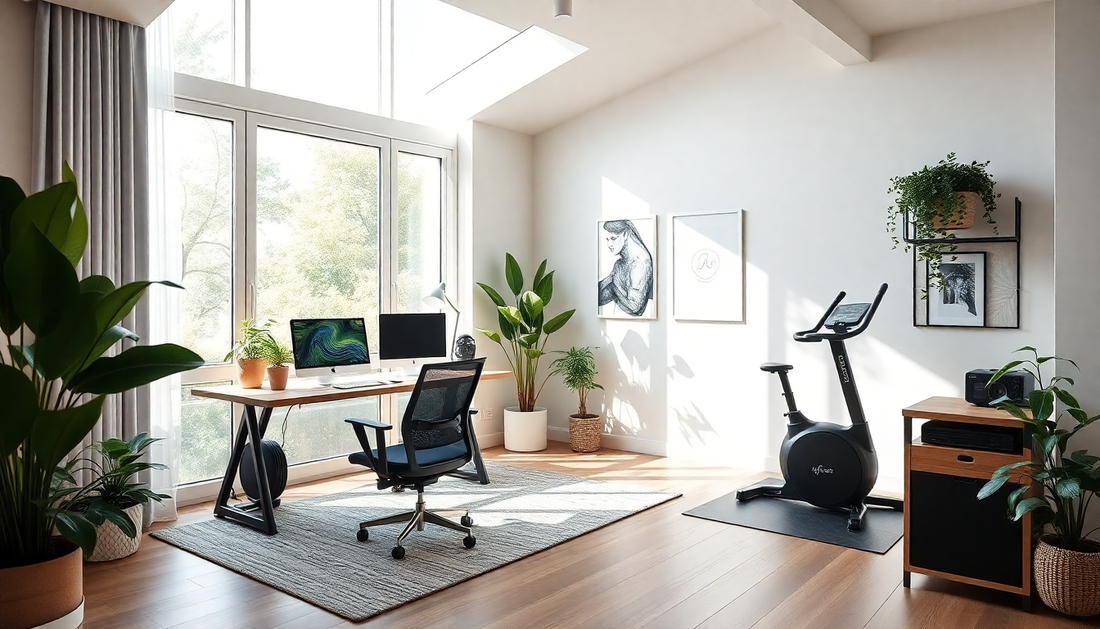
One of the most effective ways to address this challenge is through the smart integration of technology and nature within the home office and fitness space. This approach leverages the benefits of modern innovations while grounding us in the calming, restorative qualities of the natural world. This article will guide you through designing a future-ready space that enhances your wellbeing by smartly blending technology and nature.
The Synergy Between Technology and Nature
At first glance, technology and nature might seem like opposing forces. Technology is often associated with screens, wires, and artificial environments, while nature evokes images of greenery, fresh air, and organic materials. However, when integrated thoughtfully, they complement each other to create an environment conducive to health, creativity, and productivity.
Research in environmental psychology and neuroscience has shown that exposure to natural elements—such as plants, natural light, and organic textures—can reduce stress, decrease mental fatigue, and improve cognitive function. On the other hand, smart technology can optimize our environment by regulating air quality, lighting, temperature, and even our work patterns, ensuring maximum comfort and efficiency.
Bringing these two together creates a balanced ecosystem within your home, where you can work effectively, stay physically active, and maintain emotional wellbeing.
Designing the Future-Ready Home Office
Your home office should be a sanctuary of productivity that also nurtures your wellbeing. Here's how to smartly integrate technology and nature to achieve this:
1. Ergonomic and Adaptive Furniture
Invest in furniture that supports your posture and adapts to your working habits. Height-adjustable desks with memory presets enable you to alternate between sitting and standing, reducing the risk of musculoskeletal issues. Smart chairs equipped with sensors can monitor your posture and provide real-time feedback. Some advanced models even connect to apps that remind you to take breaks or stretch throughout the day.
2. Lighting That Mimics Nature
Natural light is one of the most critical factors for wellbeing. Position your desk near windows to maximize sunlight exposure. For overcast days or nighttime work, implement circadian lighting systems that adjust the color temperature and brightness according to the time of day. These systems can help regulate your body's internal clock, improving focus during the day and promoting restful sleep at night.
3. Incorporating Biophilic Elements
Introduce indoor plants such as ferns, spider plants, or peace lilies, which not only enhance air quality but also bring a calming presence. Utilize natural materials like reclaimed wood desks or stone accessories to deepen your connection with nature. Consider adding a small water feature or nature-inspired artwork to complete the biophilic atmosphere.
4. Smart Climate and Air Quality Control
Use smart thermostats to maintain an ideal temperature without wasting energy. Pair this with smart air purifiers that monitor and improve indoor air quality by removing allergens and pollutants. Some advanced systems can even analyze your breathing patterns to ensure optimal oxygen levels.
5. Noise Management and Acoustic Design
Noise distractions can significantly reduce productivity. Deploy noise-cancelling headphones or sound-masking devices that emit white noise or nature sounds to help you concentrate. Acoustic panels made from natural fibers can absorb sound and reduce echo, creating a serene atmosphere.
6. Seamless Connectivity and Cable Management
Ensure your workspace is technologically equipped with high-speed internet and multiple device charging stations. Use smart hubs or wireless charging pads to minimize clutter. Effective cable management solutions keep your area tidy and reduce stress caused by disorganization.
Creating an Integrated Fitness Space at Home
A well-designed fitness space within your home encourages regular physical activity and supports your health goals. Combining technology and natural elements can transform this area into an inspiring and motivating environment.
1. Smart Fitness Equipment
Modern fitness machines like treadmills, stationary bikes, and rowing machines often feature interactive touchscreens, virtual coaching, and performance tracking. These technologies keep workouts engaging and help you monitor progress accurately. Equipment with adjustable resistance and ergonomic design enhances comfort and effectiveness.
2. Flexible and Multi-Use Space
Design your fitness area to be versatile. Use foldable or modular equipment and storage solutions that allow you to quickly transition between workouts and relaxation or work activities. This flexibility is especially important in smaller homes where space is limited.
3. Natural Elements to Energize and Calm
Incorporate natural materials such as bamboo flooring or cork mats that provide comfort and sustainability. Position your fitness area near windows to benefit from fresh air and natural daylight. Add greenery, which can elevate mood and reduce perceived effort during exercise.
4. Immersive Technology for Motivation
Leverage virtual reality (VR) workout programs or augmented reality (AR) fitness apps to make exercise more immersive and enjoyable. Large screens streaming nature scenes or guided workout videos can also enhance your motivation and focus.
5. Optimal Air Quality and Ventilation
Exercise increases respiratory activity, making air quality crucial. Smart air quality monitors can alert you to the presence of pollutants and adjust ventilation accordingly. Consider installing air purifiers and fans that keep the air fresh and comfortable.
Strategies for Seamless Integration of Technology and Nature
Successfully merging technology and nature requires thoughtful planning and execution. Here are practical strategies to ensure your space feels cohesive and supportive:
- Unified Smart Home Ecosystem: Use platforms like Apple HomeKit, Google Home, or Amazon Alexa to integrate lighting, climate control, security, and fitness devices. This centralization simplifies management and enhances user experience.
- Scheduled Nature Breaks: Program your smart devices to remind you to take breaks for stretching or stepping outside. Regular exposure to nature during workdays boosts creativity and reduces fatigue.
- Customizable Environments: Allow flexibility in your space by using adjustable lighting, movable plants, and modular furniture. Tailor your environment based on mood, time of day, and activity.
- Eco-Friendly Materials and Energy Efficiency: Prioritize sustainable materials such as reclaimed wood, bamboo, or recycled fabrics. Select energy-efficient appliances and smart devices that minimize environmental impact and reduce utility costs.
- Personalized Wellness Data: Utilize wearables and smart sensors to track your physiological data. Use insights to adjust your environment—lighting, temperature, or workout intensity—to optimize wellbeing.
Benefits of a Smartly Integrated Home Office and Fitness Space
The advantages of combining technology and nature in your living spaces extend beyond aesthetics:
- Improved Productivity: Enhanced focus and reduced distractions help you accomplish tasks more efficiently.
- Physical Health Gains: Convenient access to fitness options encourages consistent exercise, improving cardiovascular health, strength, and flexibility.
- Mental and Emotional Wellbeing: Natural elements reduce stress and anxiety, while technology supports mindfulness and healthy routines.
- Energy Efficiency and Sustainability: Smart systems optimize resource usage, lowering energy bills and environmental footprint.
- Future-Readiness: Adaptable and scalable technology ensures your space evolves with changing needs and innovations.
Practical Tips for Getting Started
If the prospect of redesigning your home office and fitness space seems daunting, start small and build over time. Here are actionable tips:
- Begin by decluttering and organizing your workspace to create a calming foundation.
- Add a few easy-care indoor plants and position your desk near a window.
- Incorporate simple smart devices like a smart thermostat or lighting system.
- Invest gradually in ergonomic furniture and fitness equipment that suits your space and budget.
- Experiment with nature-inspired decor and textures—such as wooden accessories or stone planters—to enrich your environment.
- Explore fitness apps that provide guided workouts and track progress without requiring bulky equipment.
- Seek professional advice for ergonomic setup and smart home integration if necessary.
Conclusion
Designing a home office and fitness space that smartly integrates technology and nature is a powerful way to future-proof your living environment while prioritizing your wellbeing. By embracing biophilic design principles alongside cutting-edge smart technology, you can create an inspiring, healthy, and efficient space tailored to your lifestyle.
As we navigate the evolving demands of modern life in 2025, investing in such thoughtfully designed spaces will pay dividends in productivity, health, and happiness. Start today by assessing your current setup and identifying opportunities to weave in natural elements and smart innovations. Your future-ready home sanctuary awaits.