
Smart Home Decor Trends 2025: Combining Technology and Aesthetic for a Future-Ready Living Space
Introduction
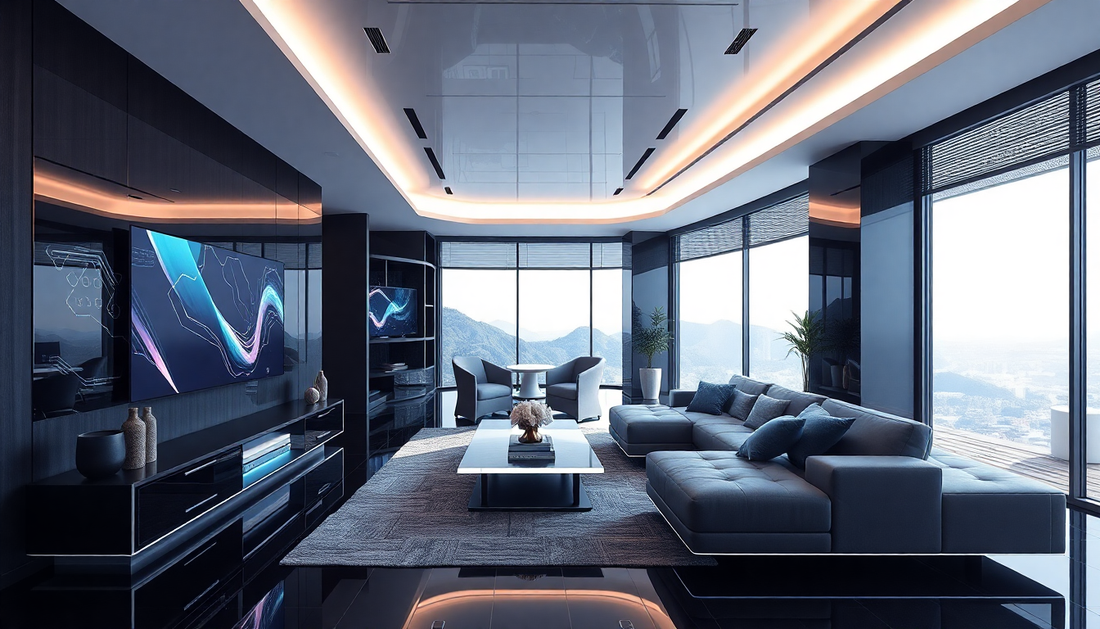
In 2025, the integration of technology into home decor has become more sophisticated, seamless, and stylish than ever before. As homeowners seek to enhance comfort, convenience, and sustainability, the boundaries between functional technology and aesthetic design continue to blur. The result is a new era of smart homes that are not only efficient but also reflection of personal style and innovation. In this comprehensive guide, we delve into the latest trends shaping smart home decor in 2025, providing insights on how to incorporate these elements into your living space to create a future-ready environment that is both beautiful and technologically advanced.
1. Minimalist Smart Designs
Minimalism remains a dominant aesthetic in 2025, driven by the desire for clutter-free, calming living spaces. Smart devices have adapted to this trend by adopting sleek designs that blend seamlessly with modern interiors. Think of wall-mounted touchscreens that resemble framed artworks, or smart speakers hidden within decorative objects like vases or sculptures. The goal is to maintain an uncluttered environment while still having access to advanced functionalities. Innovations such as invisible wiring, concealed sensors, and voice-activated devices help achieve this minimalist look without sacrificing capability.
2. Eco-Friendly and Sustainable Technologies
As environmental concerns intensify, smart home decor in 2025 emphasizes sustainability. Homeowners are increasingly investing in devices that reduce energy consumption and utilize eco-conscious materials. Solar-powered outdoor lighting and window blinds with built-in shades respond to natural light, reducing dependence on grid energy. Smart thermostats optimize heating and cooling, cutting energy waste, while smart water-saving systems help monitor and reduce consumption. Furthermore, furniture and decor items crafted from recycled or biodegradable materials are gaining popularity, allowing you to create an environmentally responsible home that doesn’t compromise on style.
3. Multifunctional Furniture with Built-in Tech
Furniture in 2025 is smarter and more adaptable than ever. Multifunctional pieces with integrated technology serve multiple purposes while maintaining elegant aesthetics. For example, modular sofas with built-in wireless charging pads, beds with smart climate control and sleep monitoring, and desks equipped with voice-controlled lighting and device management help save space and streamline daily routines. These pieces are often customizable in terms of materials and finishes to match any decor style, making them practical and cohesive additions to a future-forward living space.
4. AI-Driven Personalization
Artificial Intelligence (AI) is transforming home environments by providing highly personalized experiences. Smart lighting systems can adjust color temperature and brightness based on the time of day or mood preferences. Climate control units learn your habits and optimize settings for comfort and energy efficiency. AI-powered security systems recognize individual household members, offering customized alerts and access controls. On a broader scale, AI helps create a home environment that adapts dynamically to your lifestyle, elevating both convenience and aesthetic harmony.
5. Interactive Art and Digital Wall Displays
The art landscape in smart home decor has evolved to include digital and interactive elements. Digital art frames and large, wall-mounted displays allow users to showcase a rotating gallery of artwork, photographs, or immersive visualizations. These displays can react to music, change scenes based on the time of day, or be controlled via smartphone or voice commands. This innovation transforms walls into dynamic showcases, adding personality and vibrancy while integrating the latest in visual technology.
6. Integration and Voice Control
The interconnectedness of smart devices continues to expand, enabling holistic control of your home through voice commands and centralized apps. Whether adjusting lighting, setting the thermostat, managing security cameras, or playing music, voice assistants like Amazon Alexa, Google Assistant, or Apple's Siri facilitate smooth, hands-free management. Home automation routines can be programmed to run automatically—such as turning on lights and warming the room at sunset—making your environment smarter and more responsive. This seamless integration improves both convenience and aesthetic appeal as devices blend into the home’s architecture.
7. The Role of Biophilic Design in Smart Homes
Biophilic design, which emphasizes the connection between humans and nature, is gaining traction in smart home decor. Incorporating elements like smart indoor gardens, automated window systems for natural ventilation, and sensors that monitor air quality creates a healthier, more invigorating environment. Smart planters with self-watering systems and ambient lighting tailored to plant growth supplement your indoor space with greenery without the hassle of maintenance. These features promote wellbeing and contribute to the aesthetic appeal of your home, making it both a sanctuary and a technological marvel.
8. The Rise of Customization and Personal Spaces
Personalization remains key in smart home decor, with customizable lighting, sound settings, and climate controls tailored to individual preferences. Smart modular spaces allow for flexible configuration—think transforming walls or furniture that adapt to different activities. This customization extends to digital environments as well, where users can design their own themes, wallpapers, and visual displays on digital walls or screens, creating a truly personalized living experience aligned with personal style and comfort.
9. Choosing the Right Smart Decor for Your Home
Implementing these trends effectively requires thoughtful planning. Here are some tips:
- Evaluate your needs: Determine which features will enhance your lifestyle, whether it’s energy savings, security, entertainment, or aesthetics.
- Prioritize seamless integration: Choose devices and systems that work well together, preferably compatible with popular platforms like Google Home or Apple HomeKit.
- Focus on aesthetics: Select designs and finishes that complement your existing decor, opting for hidden or multifunctional devices when possible.
- Consider sustainability: Invest in eco-friendly devices and materials to promote environmental responsibility.
- Consult professionals: Collaborate with smart home specialists or interior designers to ensure a cohesive, personalized setup.
Conclusion
The smart home decor trends of 2025 celebrate the harmony between technology and aesthetics, transforming living spaces into future-ready environments that are both functional and beautiful. From minimalist designs and sustainable innovations to personalized digital art and intelligent automation, the options are expansive and inspiring. By embracing these trends, you can craft a home that not only enhances your daily life but also reflects your style and values. Stay ahead of the curve and create a living space that is truly smart, sustainable, and stunning for years to come.


