
Leveraging AI-Powered Ambient Sensors and Wearables to Enhance Micro-Movement Dynamics in Remote Work Environments in 2025
Introduction
In the rapidly evolving landscape of 2025, remote work has transitioned from a temporary solution to a foundational component of global work culture. As organizations strive to maintain high levels of productivity while safeguarding employee health, technological innovation plays a pivotal role. Among these advancements, AI-powered ambient sensors and wearable devices stand out as transformative tools designed to optimize micro-movement dynamics—small, often subconscious physical movements that significantly influence overall well-being and work efficiency. This article explores how leveraging these cutting-edge technologies can enhance the remote work experience, prevent health issues, and foster a more productive and healthier workforce.
The Surge of AI-Powered Ambient Sensors and Wearables in Remote Work
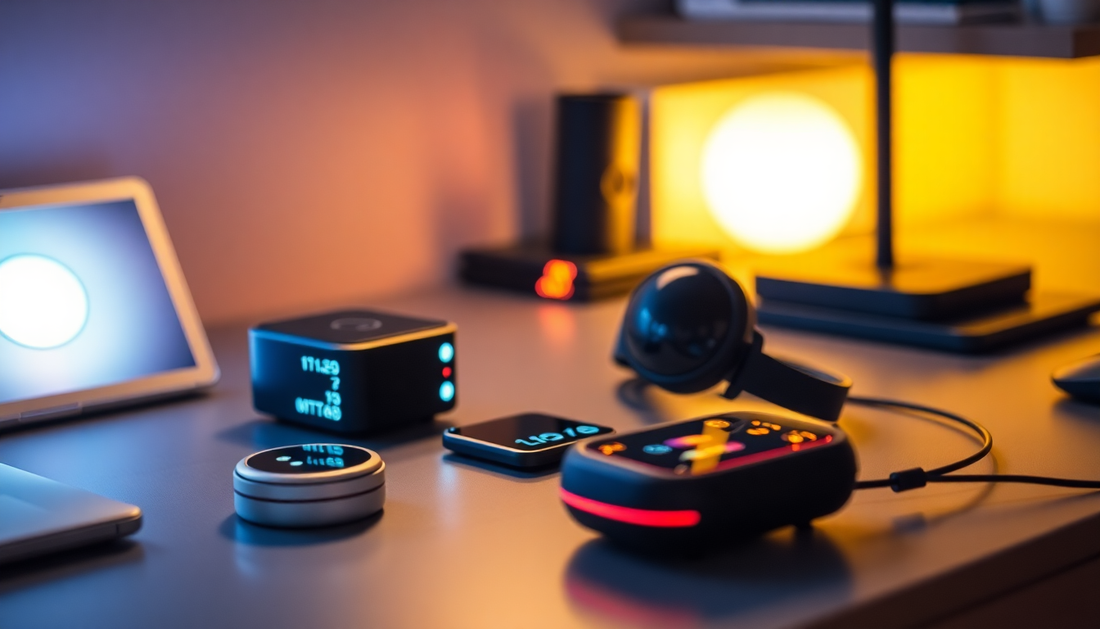
The integration of artificial intelligence with ambient sensors and wearable devices has caused a paradigm shift in how remote workers’ health and behaviors are monitored and managed. Ambient sensors—discreet devices embedded in the environment—can detect changes in movement, posture, and even ambient conditions like lighting and temperature. Wearables, such as smartwatches and motion trackers, directly monitor the user’s micro-movements, physiological signals, and activity levels. In 2025, these devices are more sophisticated than ever, utilizing advanced AI algorithms capable of analyzing vast amounts of real-time data to recognize subtle patterns. This seamless integration enables proactive interventions, personalized recommendations, and automation, making micro-movement management an integral part of remote work ecosystems. These tools are not only enhancing individual health but also providing organizational insights for optimizing workstation ergonomics and work routines.
Understanding Micro-Movement Dynamics in Remote Work
Micro-movements refer to involuntary or subconscious physical adjustments made by individuals during their daily activities. These include shifts in posture, slight limb movements, facial expressions, and other subtle gestures. While often overlooked, micro-movements are valuable indicators of a person’s mental and physical state. In remote work environments, micro-movement dynamics can reveal important insights about employee health, comfort, and stress levels. Prolonged static postures and repetitive micro-movements can lead to musculoskeletal issues, fatigue, and decreased focus. Conversely, healthy micro-movement patterns are associated with better posture, reduced strain, and increased alertness. Understanding and optimizing these patterns are crucial for maintaining long-term health and productivity in remote settings.
The Critical Role of AI-Enhanced Sensors in Monitoring Micro-Movement Dynamics
AI-enhanced sensors serve as the eyes and ears for organizations seeking to improve remote worker well-being. These sensors collect comprehensive data on micro-movement patterns without intruding on privacy or comfort. Advanced AI algorithms analyze the data to identify deviations from healthy patterns, such as sustained poor posture or reduced movement, which might indicate fatigue, discomfort, or onset of musculoskeletal disorders.
Based on these insights, AI systems can trigger personalized alerts recommending stretches, posture adjustments, or micro-breaks. They can also adapt workspace ergonomics by suggesting optimal chair height, monitor positioning, and lighting conditions tailored to individual needs. This continuous feedback loop fosters a proactive approach to health management, preventing injuries before they occur and promoting a culture of well-being.
Wearables: Bringing Micro-Movement Insights Directly to Users
Wearable devices expand the scope of monitoring by capturing detailed biometric data such as heart rate variability, muscle activity, and movement precision. In 2025, these wearables feature enhanced sensors, AI-driven analytics, and seamless integration with other systems. For remote workers, wearables can provide real-time feedback on posture, stressing the importance of maintaining ergonomic positions. They can also track activity levels, ensuring workers are not sedentary for extended periods, which can compromise health. Some wearables incorporate biofeedback mechanisms—like gentle vibrations or alerts—to remind users to adjust their posture or take micro-breaks. These interventions lead to better micro-movement habits, reducing discomfort and boosting overall productivity.
Strategic Implementation of AI Technologies in Remote Work Environments
Successfully integrating AI-powered ambient sensors and wearables requires thoughtful planning and execution. Organizations should consider several key strategies:
- Assessment and Customization: Conduct comprehensive needs assessments to tailor sensor deployment and data collection protocols suited to different work roles and environments.
- Infrastructure Development: Invest in robust network infrastructure to support large-scale sensor and data integration, ensuring minimal latency and maximum reliability.
- Data Privacy and Ethical Standards: Establish transparent policies for data collection, storage, and usage. Maintain strict compliance with privacy regulations and foster trust among employees.
- Employee Education and Engagement: Educate users about the benefits, safety, and usage of sensors and wearables. Encourage feedback for continuous improvement.
- Integration with Wellness Programs: Embed sensor outputs into broader employee health and wellness initiatives, including mental health support, physical exercise routines, and ergonomic training.
Data Analytics and Actionable Insights
The wealth of data generated by AI-enhanced sensors and wearables enables organizations to implement data-driven strategies for improving remote work conditions. Through advanced analytics, they can identify trends, predict health risks, and tailor interventions. Key benefits include:
- Personalized recommendations for posture correction and micro-breaks tailored to individual micro-movement patterns
- Aggregated data for organizational insights—such as common ergonomic issues or high-stress periods
- Automated health alerts and intervention prompts to prevent injuries
- Enhanced productivity tracking linked to health and ergonomics improvements
Benefits of Implementing AI-Driven Micro-Movement Optimization
The strategic use of AI-powered ambient sensors and wearables yields significant benefits, including:
- Improved Physical Health: Reduction in musculoskeletal disorders, fatigue, and related health issues.
- Enhanced Mental Well-being: Lower stress levels facilitated by ergonomic adjustments and regular micro-movements.
- Increased Productivity: Better focus, fewer health-related absences, and higher engagement levels.
- Cost Savings: Lower healthcare costs by preventing work-related injuries and reducing absenteeism.
- Organizational Resilience: Building adaptable work environments that prioritize health and efficiency.
Challenges and Considerations in Adoption
While the benefits are substantial, organizations must navigate several challenges:
- Ensuring privacy and data security to prevent misuse or breaches.
- Overcoming resistance to technological adoption among employees.
- Managing the costs associated with deploying and maintaining sensor and wearable systems.
- Maintaining device accuracy and reliability to ensure data integrity.
- Addressing ethical considerations related to constant monitoring and data collection.
The Future of Micro-Movement Optimization in Remote Work
Looking beyond 2025, the role of AI in enhancing micro-movement dynamics will grow even more sophisticated. Anticipated advancements include:
- Integration of augmented reality (AR) to guide micro-movement corrections visually.
- Development of more intuitive and less obtrusive sensors and wearables.
- Enhanced AI capabilities to provide psychology-informed ergonomic suggestions.
- Greater personalization through machine learning models that adapt to individual work habits.
- Broader adoption across diverse industries, including education, healthcare, and manufacturing.
Conclusion
As remote work becomes the new normal in 2025, organizations that harness the power of AI-powered ambient sensors and wearables will lead the way in fostering healthier, more productive, and more resilient workforces. By focusing on micro-movement dynamics, businesses can proactively prevent health issues, optimize work conditions, and enhance overall employee well-being. Embracing these technologies is not merely a trend but a strategic imperative for organizations aiming to thrive in the evolving digital economy.


