
Leveraging Adaptive Sensor Ecosystems and Wearables to Boost Micro-Movement Efficiency in Remote Work Environments in 2025
Introduction
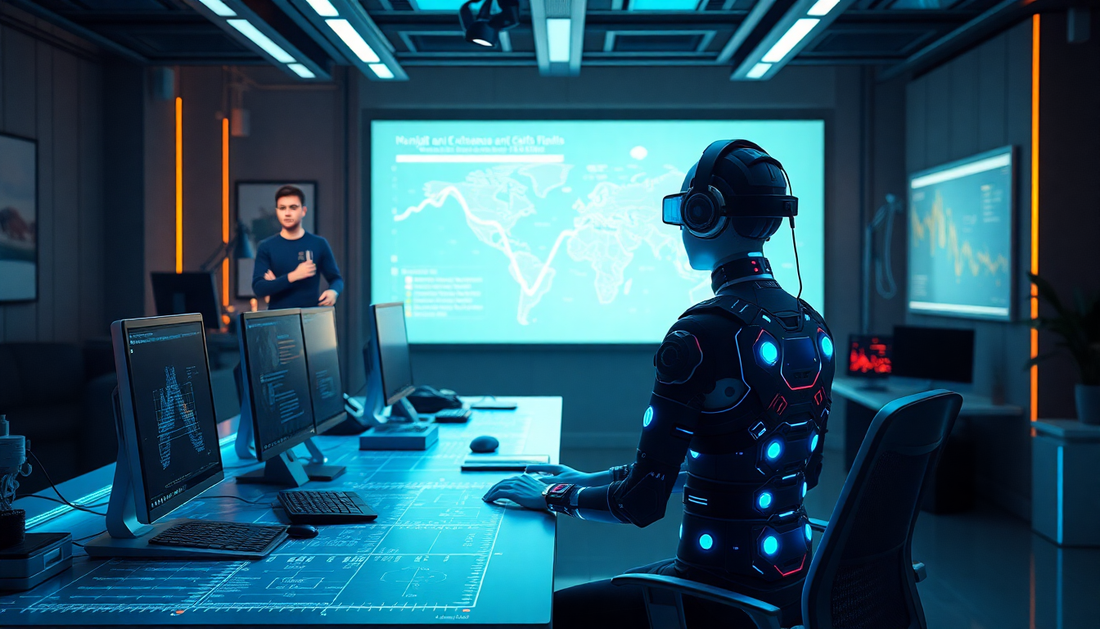
In 2025, the landscape of remote work has fundamentally shifted, driven by rapid technological advancements and a greater emphasis on employee well-being. As more organizations adopt flexible working models, the challenge becomes maintaining high productivity levels while ensuring physical and mental health are prioritized. The integration of adaptive sensor ecosystems and advanced wearable devices represents a groundbreaking approach to achieving this balance. These innovative technologies offer real-time, personalized insights into micro-movements and ergonomics, enabling customized interventions that improve efficiency and health in remote work environments.
The Evolution of Remote Work and Technology
Over recent decades, remote work has transitioned from a niche arrangement to a mainstream practice, accelerated by global events and technological progress. This evolution prompted companies to seek solutions that replicate or enhance traditional office amenities within home settings. Concurrent advancements in the Internet of Things (IoT), artificial intelligence (AI), and wearable technologies have facilitated the development of complex, adaptive sensor ecosystems capable of monitoring a range of physiological and environmental parameters. These systems are reshaping workplace ergonomics by providing data-driven insights that were previously impossible to obtain in remote settings.
Understanding Adaptive Sensor Ecosystems
Adaptive sensor ecosystems are integrated networks of sensors that communicate with each other and with cloud-based analytics platforms. They continuously collect data about a user’s posture, movements, vital signs, and environment, processing this data to generate actionable insights. Key components include:
- Physiological sensors: Monitor heart rate, muscle tension, and other vital signs.
- Posture sensors: Detect improper alignment or sustained static positions.
- Environmental sensors: Measure lighting, temperature, humidity, and noise levels.
- Connectivity hubs: Facilitate seamless data transmission between sensors and cloud platforms.
These ecosystems adapt dynamically, providing personalized feedback which can be used to optimize both individual behavior and environmental factors, creating a 'smart' workspace tailored to each user's needs.
The Role of Wearables in Modern Remote Work
Wearables are central to the implementation of adaptive sensor ecosystems, offering continual data collection and instant, actionable feedback. In 2025, wearables have become deeply embedded in daily work routines, with devices such as smartwatches, intelligent clothing, and specialized biosensors providing nuanced insights into micro-movement patterns.
- Posture and movement correction: Wearables can detect slouching, hunching, or static postures and alert users to make quick corrections.
- Micro-movement encouragement: Devices promote small, purposeful motions that aid circulation and reduce stiffness.
- Vital signs tracking: Continuous monitoring of heart rate variability, oxygen saturation, and stress indicators help in early detection of fatigue or strain.
- Biofeedback mechanisms: Wearables provide real-time prompts, encouraging healthy behaviors through vibrations, sounds, or visual cues.
Micro-Movements and Their Importance in Remote Work
Micro-movements—small, often subconscious motions—play a vital role in maintaining physical health, especially during long periods of sitting or static work routines common in remote environments. These movements foster circulation, reduce muscle stiffness, and prevent common musculoskeletal issues such as back pain and repetitive strain injuries.
By integrating sensor data, remote workers can be guided to incorporate micro-movements seamlessly into their daily routines. For example:
- Scheduled micro-breaks: Automated suggestions for brief stretches or standing intervals based on actual activity levels.
- Targeted exercises: Personalized routines that activate specific muscle groups showing signs of strain.
- Environmental adjustments: Automated system responses—like adjusting desk height or lighting—to support optimal movement patterns.
Advantages of Combining Adaptive Technology with Remote Work
The synergy between adaptive sensor ecosystems and wearables brings several compelling benefits:
- Enhanced Productivity: Improved micro-movement efficiency reduces fatigue, leading to better focus and work output.
- Health and Well-being: Continuous monitoring and feedback help in preventing health issues related to sedentary lifestyles, mental stress, and poor ergonomics.
- Personalized Work Environment: Data insights enable customization of workspace and routines, fostering comfort and efficiency.
- Employer Benefits: Organizations can utilize aggregated data to identify common ergonomic issues and optimize remote work policies, thereby reducing absenteeism and healthcare costs.
Implementing These Technologies: Practical Strategies
For organizations and individuals looking to leverage these innovations, consider the following strategies:
- Assess Needs: Evaluate individual work habits and ergonomic risks to identify suitable sensor and wearable solutions.
- Choose Compatible Devices: Select ecosystems and wearables that integrate seamlessly with existing digital tools and support user privacy.
- Educate and Train: Provide employees with guidance on interpreting data and making effective adjustments.
- Set Goals and Track Progress: Establish measurable health and productivity objectives supported by sensor feedback.
- Prioritize Data Privacy: Ensure compliance with data protection regulations and transparent data usage policies.
The Future of Work: Technology-Driven Health Optimization
The future of remote work in 2025 holds enormous potential for technology to deliver unparalleled levels of personalization and health support. Advances in AI and machine learning are expected to increase the predictive accuracy of sensor ecosystems, enabling preemptive adjustments that prevent discomfort or health issues even before they manifest.
Furthermore, the integration of virtual reality (VR) and augmented reality (AR) within these ecosystems could create immersive, health-focused environments designed to motivate micro-movements and active breaks, making ergonomic health an engaging part of daily work routines.
Challenges and Considerations
Despite the promising outlook, several challenges must be addressed:
- Data Privacy and Security: Safeguarding sensitive health data is paramount to build user trust.
- User Acceptance: Encouraging consistent use of wearable devices requires addressing privacy concerns and usability issues.
- Interoperability: Ensuring compatibility among various systems and devices to provide a seamless experience.
- Cost and Accessibility: Making advanced technologies affordable and accessible to a broad population.
Conclusion
As we advance further into 2025, the strategic utilization of adaptive sensor ecosystems and wearables offers transformative potential for remote work environments. By focusing on micro-movement efficiency, organizations can enhance employee well-being, boost productivity, and foster a healthier, more sustainable digital workplace. Embracing these innovations today will set the stage for a resilient, adaptive workforce equipped to thrive in an increasingly connected world.


