
Integrating Sensory Wellness and Smart Design: Creating a Home Office and Fitness Space That Nourishes Mind and Body
Introduction
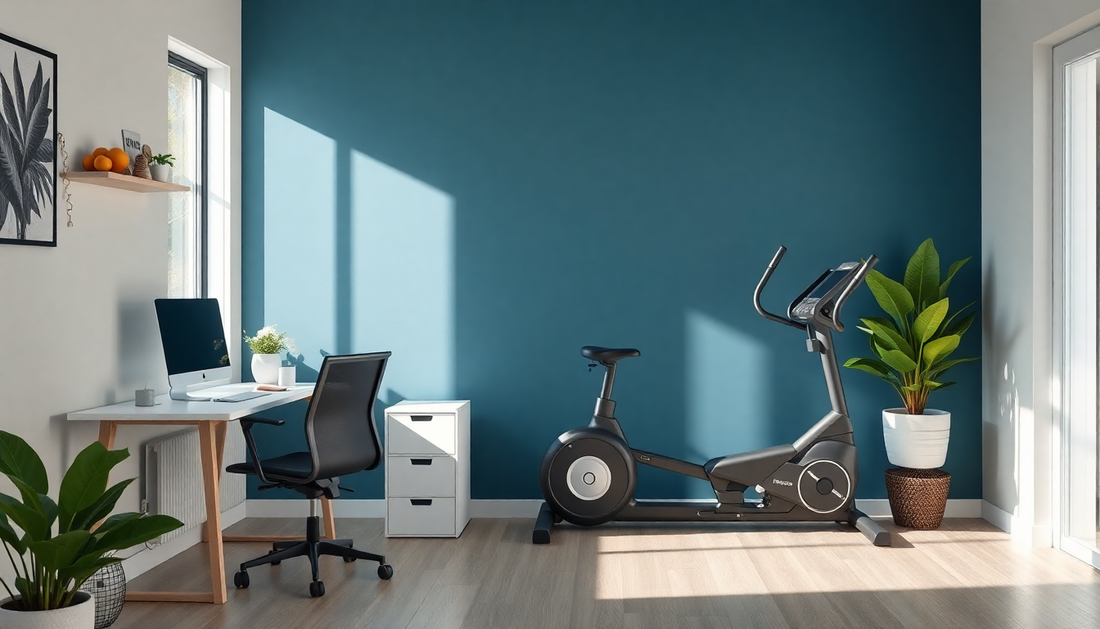
In today's fast-paced world, where the boundaries between professional responsibilities and personal well-being continue to intertwine, the design of our living spaces plays a crucial role in maintaining balance. The rise of remote work and the increasing emphasis on holistic health have elevated the need for multifunctional home areas that serve both mental and physical needs. One of the most effective ways to achieve this harmony is by integrating a home office with a fitness space, grounded in the principles of sensory wellness and smart design.
This comprehensive approach ensures that your environment caters to the full spectrum of human experience—stimulating your senses appropriately, enhancing productivity, promoting physical activity, and fostering relaxation. In this article, we will explore how sensory wellness can be woven into your design choices and provide actionable strategies to create a home office and fitness space that truly nourishes both mind and body.
Understanding Sensory Wellness and Its Importance
Sensory wellness is the concept of intentionally engaging the five senses—sight, sound, touch, smell, and taste—in ways that support mental clarity, emotional balance, and physical health. Our sensory experiences influence mood, energy levels, focus, and stress response. By curating these sensory inputs, you can transform your home environment into a sanctuary that supports your work and fitness goals.
For example, calming visual stimuli can reduce anxiety during intense work sessions, while invigorating scents and sounds can boost motivation during workouts. Sensory wellness also encompasses minimizing negative stimuli like harsh lighting or distracting noise, which can impair concentration and recovery.
The Rise of Multifunctional Home Spaces
The COVID-19 pandemic accelerated the shift toward working from home, making it essential for many to adapt their living spaces to accommodate professional duties. Simultaneously, increasing awareness of physical and mental health has motivated people to integrate fitness into their daily routines. Combining these two needs into a single, well-designed space offers numerous benefits:
- Efficiency: Saves space and resources by sharing infrastructure.
- Convenience: Makes switching between work and exercise seamless.
- Motivation: Keeps wellness goals top of mind throughout the day.
- Balance: Encourages regular breaks and physical movement to enhance productivity.
However, without thoughtful design, combining these functions can lead to clutter, sensory overload, or conflicting atmospheres. This is where sensory wellness and smart design principles become critical.
Smart Design Principles for a Dual-Function Space
Smart design is the art of optimizing space, aesthetics, and technology to create an environment that adapts fluidly to your lifestyle. When planning your home office and fitness space, consider these foundational design principles:
1. Zoning and Spatial Separation
Creating distinct zones within the same room helps your brain mentally switch between work and exercise modes. This can be achieved through:
- Furniture arrangement: Position your desk and chair in one area and your fitness equipment in another.
- Physical dividers: Use screens, shelving units, or curtains to separate zones without closing off space.
- Flooring variation: Rugs or mats can define boundaries and add textural contrast.
2. Flexible and Ergonomic Furniture
Choose furniture that adapts to multiple uses and supports comfort:
- Adjustable desks: Sit-stand desks allow you to modify posture throughout the day, reducing fatigue.
- Ergonomic office chairs: Promote good posture and reduce back strain.
- Compact workout equipment: Foldable treadmills, resistance bands, or dumbbells that can be stored easily.
3. Lighting Design
Lighting profoundly affects mood and productivity:
- Natural light: Maximize daylight exposure by positioning your workspace near windows.
- Layered lighting: Combine ambient, task, and accent lighting to suit different activities.
- Smart lighting: Use adjustable color temperature lights to switch from energizing cool whites during work to warmer tones for relaxation.
4. Acoustic Management
Sound control is key to maintaining focus and creating a pleasant workout environment:
- Soundproofing: Incorporate rugs, curtains, and acoustic panels to reduce echo and external noise.
- Background sound: Use white noise machines or nature sounds to block distractions.
- Music integration: Smart speakers can provide motivational workout playlists or calming ambient sounds for breaks.
5. Storage and Organization
Clutter can negatively impact mental clarity and motivation. Smart storage solutions include:
- Multi-functional furniture with built-in storage compartments.
- Wall-mounted racks to hold fitness gear or office supplies.
- Labelled bins and organizers to keep items accessible but out of sight.
Incorporating Sensory Wellness Elements
Embedding sensory wellness in your design involves a thoughtful selection of elements that stimulate or soothe your senses, tailored to the dual functions of the space.
Visual Sensory Design
Colors, patterns, and natural elements influence emotional states and cognitive function:
- Color schemes: Use calming shades like soft blues, muted greens, and neutrals in your office area to enhance concentration and reduce stress.
- Energetic colors: Incorporate bright accents such as oranges, reds, or yellows in your fitness zone to boost energy and motivation.
- Natural elements: Add plants, natural wood finishes, or nature-inspired artwork to create a soothing atmosphere and improve air quality.
Auditory Sensory Design
Sound plays a crucial role in influencing focus and energy:
- Noise reduction: Minimize disruptive sounds with sound-absorbing materials.
- Audio ambiance: Use curated playlists or soundscapes—like ocean waves or forest sounds—to enhance mood and concentration.
- Voice-activated assistants: Integrate smart home devices to control your environment hands-free, reducing interruptions.
Tactile Sensory Design
The sense of touch affects comfort and grounding:
- Furniture materials: Select soft textiles for chairs and cushions in the office, alongside durable, non-slip mats in the workout zone.
- Textural contrasts: Use varied textures to keep the tactile experience dynamic and engaging.
- Ergonomic accessories: Consider wrist rests, footrests, and foam rollers to support physical health.
Olfactory Sensory Design
Scents can dramatically influence mood and alertness:
- Essential oils: Diffuse peppermint or citrus scents to invigorate during workouts.
- Calming aromas: Use lavender or chamomile during work breaks to reduce tension.
- Natural ventilation: Regularly circulate fresh air to prevent stale indoor odors.
Taste Sensory Design
Although taste is less directly related to design, it complements wellness through:
- Hydration station: Keep a water dispenser with infused water options like cucumber, lemon, or mint.
- Healthy snacks: Stock nourishing options such as nuts, fruits, or protein bars to maintain energy.
Step-by-Step Guide to Creating Your Integrated Space
Step 1: Assess Your Space and Needs
Begin by measuring your available space and identifying your specific requirements for work and fitness. Consider the types of work tasks you perform, the fitness activities you enjoy, and how much equipment you need.
Step 2: Develop a Zoning Plan
Sketch a floor plan that designates clear zones for work and exercise. Decide how to separate the zones visually and physically while maintaining accessibility.
Step 3: Choose Your Furniture and Equipment
Select ergonomic office furniture and versatile fitness equipment that fits your space and lifestyle. Prioritize items that can be easily stored or moved to maintain flexibility.
Step 4: Design Lighting and Acoustics
Plan your lighting layers and acoustic treatments to optimize comfort and functionality for both zones. Incorporate smart systems to adjust settings as needed.
Step 5: Integrate Sensory Elements
Introduce color schemes, textures, sounds, and scents that align with the intended purpose of each zone. Use plants and artwork to enhance visual appeal and connection to nature.
Step 6: Organize Storage Solutions
Implement storage strategies to keep the space tidy and minimize distractions. Use wall-mounted shelves, bins, and multi-purpose furniture to maximize efficiency.
Step 7: Personalize and Maintain
Add personal touches such as motivational quotes, photos, or wellness trackers. Regularly update and maintain the space to ensure it continues to support your evolving needs.
Technology and Smart Home Integration
Incorporating technology can elevate your integrated space:
- Smart lighting systems: Automate lighting schedules and adjust brightness/color for different activities.
- Voice control: Use virtual assistants to manage devices, music, and reminders without interrupting your flow.
- Wearable fitness tech: Integrate devices that track activity, heart rate, and stress levels, providing data to optimize your routines.
- Wireless charging and connectivity: Ensure your workspace supports seamless device charging and connectivity to reduce clutter.
Benefits of a Sensory-Integrated, Smartly Designed Home Office and Fitness Space
The thoughtful integration of sensory wellness and smart design yields a variety of benefits that impact your daily life:
- Enhanced productivity: A distraction-minimized, comfortable workspace supports sustained focus and creativity.
- Improved physical health: Easy access to fitness equipment encourages regular movement and exercise, reducing the risks associated with sedentary behavior.
- Reduced stress and burnout: Sensory elements like calming colors and scents help manage emotional well-being.
- Greater motivation and energy: Energizing sensory cues and ergonomic design foster enthusiasm for both work and workouts.
- Optimal work-life balance: Clear zoning and sensory cues help your mind transition between professional and personal modes effectively.
Conclusion
As we embrace the evolving dynamics of work and wellness in 2025 and beyond, the importance of designing spaces that nurture both mind and body cannot be overstated. Integrating sensory wellness with smart design offers a powerful framework for creating a home office and fitness environment that is both functional and restorative.
By thoughtfully combining zoning strategies, ergonomic furniture, sensory stimuli, and smart technology, you can cultivate a space that not only meets your professional needs but also inspires physical activity and emotional balance. This holistic approach transforms your home into a sanctuary where productivity and wellness thrive hand in hand.
Start your journey today by assessing your space and incorporating the strategies outlined in this guide. Experience firsthand how a well-designed sensory environment can elevate your daily routine and promote a healthier, more balanced lifestyle.