
Innovative Home Office and Fitness Space Strategies for 2025: Designing for Optimal Focus and Wellbeing
Introduction
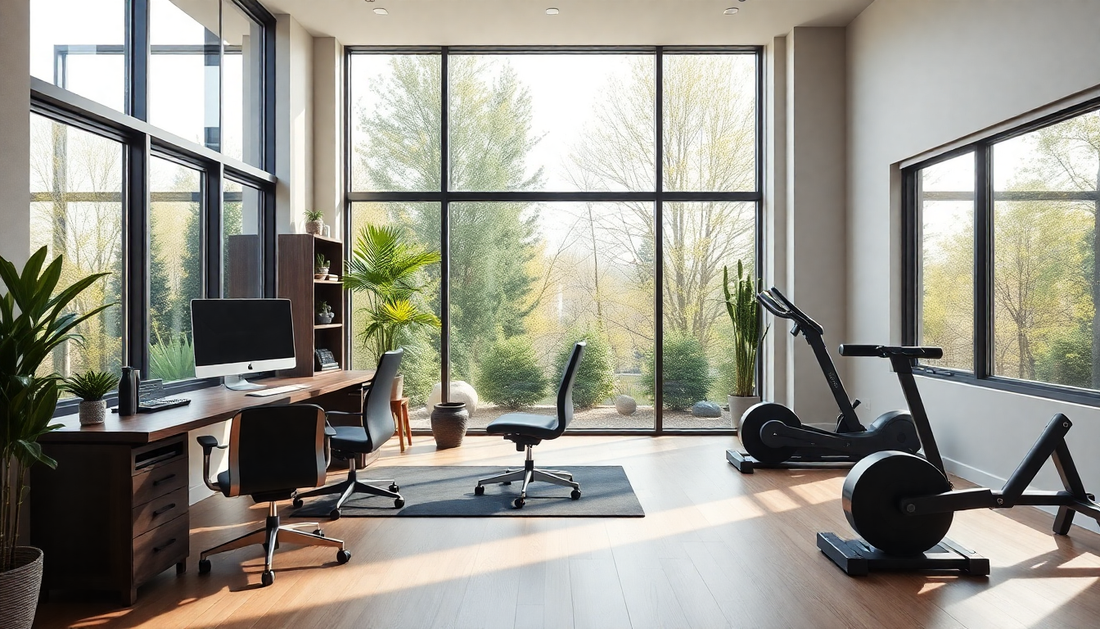
As we transition into 2025, the landscape of home offices and fitness spaces continues to evolve dramatically. The pandemic has permanently altered how we perceive work and wellness, emphasizing the need for environments that nurture both productivity and physical health. This article delves into innovative strategies for designing a home office and fitness space that optimizes focus and enhances overall wellbeing.
1. Embracing Multifunctional Spaces
With space often at a premium in modern homes, especially in urban areas, multifunctional spaces are becoming increasingly popular. Designing areas that can serve multiple purposes allows you to maximize the utility of your home.
- Flexible Furniture: Opt for adjustable desks that can transition from sitting to standing. Consider adding a foldable exercise bike or resistance bands that can be easily stored away. These items promote seamless transitions from work to workout without cluttering your space.
- Zoning: Use room dividers, area rugs, or furniture placement to create distinct zones for work and exercise. This physical separation helps in maintaining focus on tasks at hand while making it easier to switch gears when it’s time to exercise.
- Convertible Spaces: Consider a Murphy bed or a wall-mounted workout bench that can be pulled down and stowed away. This allows a spare room to serve as a guest room, office, and gym, depending on your needs.
2. Prioritizing Natural Light and Ventilation
Natural light and fresh air are vital to maintaining a positive mood and enhancing productivity. Here’s how to make the most of these elements in your home office and fitness space:
- Large Windows: Design your home office with expansive windows to allow ample sunlight. Consider placing your desk near a window to benefit from natural light while working. Sunlight not only brightens the space but also boosts vitamin D levels, which can enhance mood and focus.
- Air Quality: Incorporate indoor plants that purify the air, such as snake plants, pothos, or peace lilies. These plants can improve the air quality in your home, making it a healthier place to work and exercise. Additionally, consider using air purifiers to ensure a consistently clean atmosphere.
- Ventilation: Ensure proper ventilation by opening windows or using exhaust fans. This promotes airflow, reducing indoor pollutants and creating a refreshing environment conducive to both work and fitness.
3. Integrating Technology for Enhanced Productivity
Incorporating technology into your home office and fitness space can significantly streamline your workflow and workout routines. Here are some ways to harness technology effectively:
- Smart Desks: Invest in smart desks that can track your sitting and standing habits, reminding you when to switch positions. Some models even have built-in timers to encourage breaks for movement throughout the day.
- Fitness Apps: Utilize fitness tracking apps that can be integrated into your work breaks. Apps like MyFitnessPal or Fitbit can help you track your physical activity and encourage quick workouts or stretching sessions during the day.
- Virtual Reality Fitness: Consider integrating virtual reality (VR) fitness programs that provide an immersive workout experience. These can serve as both a fun way to exercise and a unique way to break from the monotony of traditional workouts.
4. Creating a Calming Aesthetic
The aesthetic of your home office and fitness space can significantly influence your focus, creativity, and overall wellbeing. Here are some design strategies to consider:
- Color Psychology: Use soft, calming colors like blues and greens to create a serene environment that enhances concentration. Colors like light gray or beige can also be utilized to create a neutral backdrop, allowing you to add pops of color through decor.
- Minimalism: Keep the space clutter-free with minimal decor. A minimalist approach can help reduce distractions and promote a sense of calm. Opt for functional furniture and decor that serve a purpose, eliminating unnecessary items that may create visual noise.
- Personal Touches: Add personal items that inspire you, such as motivational quotes, artwork, or photos. These can foster a sense of belonging and make the space feel more inviting.
5. Encouraging Movement Throughout the Day
Incorporating movement into your daily routine is crucial for maintaining both physical health and mental focus. Here are several strategies to encourage movement:
- Scheduled Breaks: Set timers to remind yourself to take short breaks for stretching or quick workouts every hour. Simple stretches can alleviate tension and rejuvenate your mind.
- Walking Meetings: Whenever possible, opt for walking meetings to combine work with physical activity. This not only promotes movement but also can lead to more creative thinking.
- Incorporate Micro-Workouts: Use small chunks of time throughout the day for micro-workouts. These can include 5-10 minute high-intensity interval training (HIIT) sessions or quick yoga routines. They can be a great way to refresh your mind and body without needing a large time commitment.
6. Designing for Mental Wellbeing
Mental health is just as important as physical health, especially in a home office setting. Here are some strategies to foster mental wellbeing:
- Mindfulness Corners: Create a dedicated space for mindfulness practices, such as meditation or deep breathing exercises. This could be a corner with comfortable cushions and calming decor, where you can take a few moments to reset.
- Soundscapes: Consider the acoustics of your space. Use sound machines or playlists with ambient sounds to create a calming atmosphere that reduces stress and enhances focus.
- Limit Distractions: Use noise-canceling headphones during work hours to minimize distractions. This can help you maintain concentration and create a more productive work environment.
7. Incorporating Ergonomics for Health
Ergonomics plays a crucial role in preventing discomfort and injury while working or exercising. Here are some ergonomic considerations for your home office and fitness space:
- Chair Selection: Invest in an ergonomic chair that provides proper support for your back and promotes good posture. Look for chairs that allow for adjustments in height, lumbar support, and armrests.
- Desk Height: Ensure your desk is at the right height to avoid strain on your neck and shoulders. When standing, your elbows should be at a 90-degree angle when typing.
- Exercise Equipment: When choosing fitness equipment, consider ergonomic options that reduce the risk of injury. Look for resistance bands, stability balls, and weights that are designed to support safe usage.
Conclusion
Designing an innovative home office and fitness space for 2025 is about creating an environment that supports both productivity and wellbeing. By embracing multifunctional spaces, maximizing natural light, integrating technology, creating a calming aesthetic, encouraging movement, focusing on mental health, and incorporating ergonomic practices, you can foster an atmosphere that enhances your focus and promotes overall health. Start implementing these strategies today to cultivate a balanced and productive lifestyle, ensuring both your work and fitness endeavors thrive in the comfort of your home.