
Innovative Home Office and Fitness Space Integration for 2025: Design Approaches to Enhance Wellbeing and Productivity
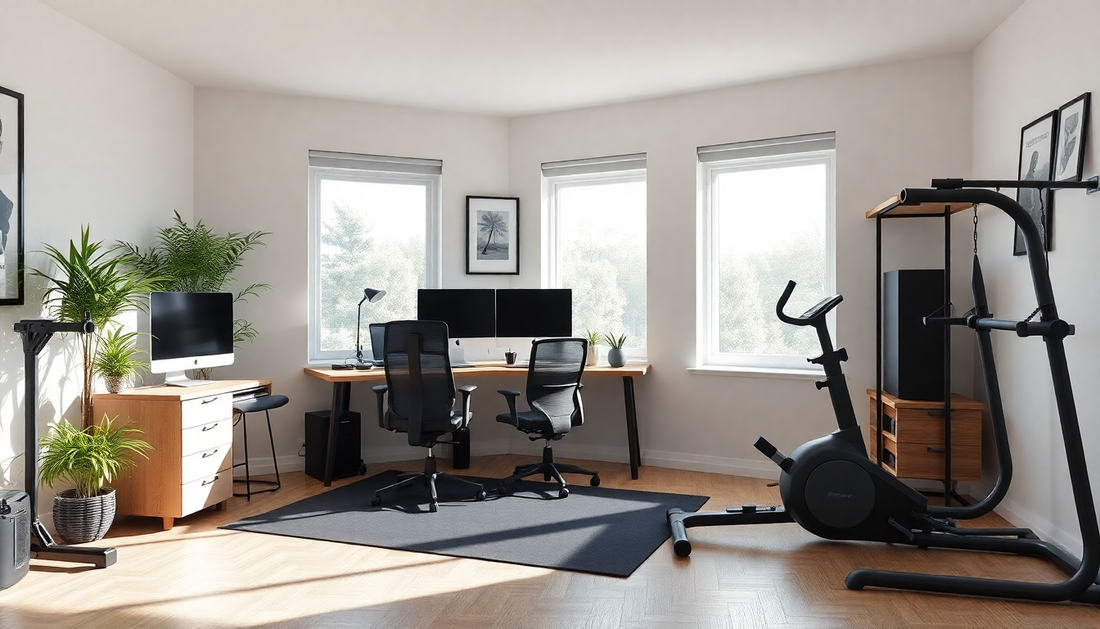
Introduction
As we progress through 2025, the significance of creating multifunctional spaces at home has never been more critical. The integration of home office and fitness areas not only promotes productivity but also enhances overall wellbeing. With the rise of remote work and a greater emphasis on physical health, finding ways to harmonize these two aspects of our lives is essential. This article explores innovative design approaches to help you achieve a balanced and productive home environment.
The Evolution of Home Spaces
The past few years have seen a dramatic shift in how we perceive our living spaces. Traditionally, homes were designed with distinct areas for work, relaxation, and exercise. However, the pandemic has accelerated the need for spaces that can adapt to our diverse requirements. By 2025, the concept of hybrid spaces—where work and fitness coexist—has emerged as a standard rather than an exception.
The Rise of Hybrid Spaces
With the increasing trend of remote work, hybrid spaces that serve dual purposes are becoming essential. Here are some key elements to consider when designing your integrated home office and fitness space:
- Flexibility: Use furniture that can easily be reconfigured, such as foldable desks or movable partitions. This allows you to change the layout depending on your needs throughout the day.
- Natural Light: Position your workspace near windows to benefit from natural light. Exposure to natural light has been shown to enhance mood and energy levels, making it easier to stay focused.
- Ergonomics: Invest in ergonomic furniture that supports physical health during both work and exercise. For instance, an adjustable standing desk can allow you to alternate between sitting and standing while working.
- Sound Control: Incorporate soundproofing materials or white noise machines to minimize distractions during work hours while still allowing for an energetic environment during workouts.
Design Approaches for Integration
To create an effective home office and fitness space, consider the following design approaches:
- Open Plan Layout: An open layout encourages fluid movement between work and workout areas, reducing the mental barriers between the two. This allows for a seamless transition from work tasks to exercise routines.
- Incorporating Technology: Utilize smart technology to control lighting, sound, and climate for both work and workout sessions. Smart lights can adjust brightness based on the time of day, while smart speakers can play your favorite workout playlist or calming sounds during work.
- Multi-functional Furniture: Choose furniture that can serve multiple purposes, such as a desk that transforms into a workout bench or a coffee table that doubles as a yoga block. This minimizes clutter and maximizes functionality.
- Inspiring Decor: Use motivational artwork or plants that inspire productivity and wellness. Bright colors and nature-inspired designs can uplift your mood and enhance creativity.
- Defined Zones: Create distinct areas within the same room for work and exercise. Use rugs, lighting, or furniture placement to differentiate between the two zones while maintaining an open feel.
Enhancing Wellbeing through Design
Integrating fitness into your workspace can significantly improve your physical and mental health. Here are some wellbeing-focused design tips:
- Dedicated Fitness Zones: Create a small area for exercise equipment, such as yoga mats, resistance bands, or dumbbells, to encourage short, effective workouts during breaks. Consider adding a full-length mirror to help maintain proper form during exercises.
- Mindfulness Spaces: Incorporate a corner for meditation or relaxation, equipped with comfortable seating and calming elements. This space can include soothing colors, soft fabrics, and essential oil diffusers to create a tranquil atmosphere.
- Air Quality and Plants: Use indoor plants to improve air quality and add a touch of nature. Plants like snake plants or peace lilies help purify the air and can help reduce stress levels, making the environment more conducive to both work and relaxation.
- Movement Breaks: Design your space to encourage physical movement throughout the day. For example, place a stability ball at your desk for occasional sitting or have a small space for quick stretches or yoga poses between tasks.
- Color Psychology: Leverage the psychology of colors in your design. Blue tones can enhance focus, while greens promote calmness. Use these colors strategically in your workspace and fitness area to create an inviting atmosphere.
Furniture and Equipment Considerations
Selecting the right furniture and equipment is paramount for a successful integration of home office and fitness space. Here are some recommendations:
- Adjustable Desks: Invest in a height-adjustable desk that allows you to switch between sitting and standing. This promotes better posture and can help alleviate back pain.
- Compact Exercise Equipment: Opt for compact and versatile fitness equipment, such as resistance bands, kettlebells, or an exercise bike that can fit neatly into your office setup.
- Seating Options: Consider using an ergonomic chair that supports your back during long work hours, and a stability ball or floor cushions for active sitting options during fitness breaks.
- Storage Solutions: Utilize vertical storage solutions to keep your workout gear organized and easily accessible without cluttering your workspace. Shelving units can serve as both decorative and functional elements.
Creating a Routine
Having a well-designed space is only part of the equation; establishing a routine that incorporates both work and fitness is essential. Here are some tips to help you create a balanced schedule:
- Set Clear Boundaries: Define specific work hours and fitness schedules to help maintain a routine. This will prevent work from spilling into your personal time.
- Incorporate Short Workouts: Aim for 10-15 minute workouts during breaks to recharge your energy. Quick sessions can be just as effective as longer workouts and can improve focus when returning to work tasks.
- Use Technology: Leverage apps and devices that remind you to take breaks, stretch, or complete a quick workout. Fitness trackers can also help you stay accountable to your health goals.
- Stay Flexible: Life can be unpredictable, so allow yourself to adjust your routine as needed. Flexibility can help you maintain a positive attitude towards both work and fitness.
Conclusion
As we navigate the evolving landscape of work and wellness in 2025, integrating your home office with a fitness space is essential for enhancing wellbeing and productivity. By adopting innovative design approaches, you can create a dynamic environment that supports both your professional and personal health goals. Embrace the future of home design and transform your living space into a sanctuary for work and fitness, where productivity meets wellbeing. The time to invest in your health and productivity is now; design your home to reflect the balance you desire.