
Innovative Home Office and Fitness Space Design Trends for 2025: Strategies for Enhancing Productivity and Health
Introduction
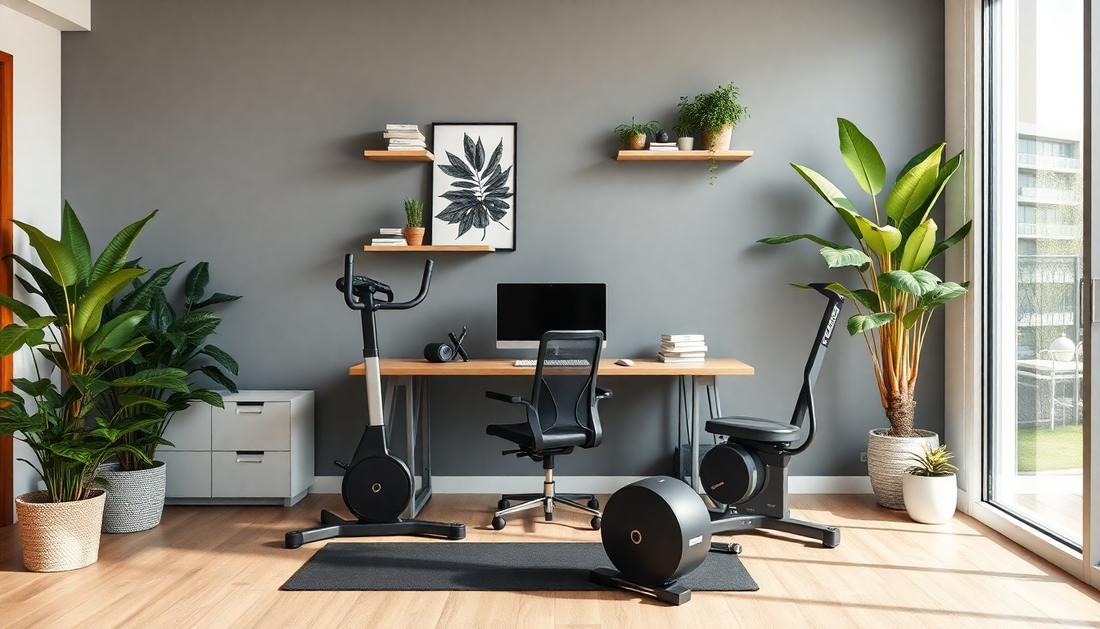
As we step into 2025, the importance of having a functional yet inspiring home office and fitness space has never been more critical. With the rise of remote work and the increasing awareness of health and wellness, the design of these spaces must evolve to meet our changing needs. This comprehensive article explores the latest trends in home office and fitness space design, offering actionable strategies to enhance productivity and health.
1. Biophilic Design: Connecting with Nature
Biophilic design aims to create a connection between indoor spaces and the natural environment, which can significantly improve mental well-being and productivity. In 2025, this trend is becoming a cornerstone of effective workplace design. Here are some ways to incorporate biophilic elements:
- Use Natural Materials: Incorporate organic materials like wood, stone, and bamboo in your furniture and decor. These materials not only improve aesthetics but also create a calming environment.
- Incorporate Indoor Plants: Bringing greenery into your workspace can enhance air quality and boost mood. Consider plants like snake plants, pothos, or peace lilies, which are low-maintenance and improve indoor air quality.
- Maximize Natural Light: Large windows or skylights can flood your space with natural light, reducing reliance on artificial lighting and improving your overall mood and focus.
- Water Features: Consider adding a small fountain or aquariums, which can promote relaxation and reduce stress levels.
2. Flexible and Multi-Functional Spaces
As remote work continues to dominate, the need for flexible workspaces that can adapt to various tasks is essential. A multi-functional space allows you to transition seamlessly between work and fitness activities. Consider the following tips:
- Invest in Modular Furniture: Choose furniture that can be easily rearranged or reconfigured, such as foldable desks, stackable chairs, and movable partitions.
- Create Designated Zones: Use furniture or rugs to define different areas for work, exercise, and relaxation. This helps in mentally separating tasks and maintaining focus.
- Portable Equipment: Incorporate portable fitness equipment like resistance bands, dumbbells, or yoga mats that can easily be stored away when not in use.
- Wall-Mounted Solutions: Use wall-mounted desks or foldable tables that can be tucked away to free up space when you’re not working.
3. Ergonomic Design for Comfort and Health
To maintain productivity and prevent health issues, ergonomic design plays a crucial role in home office and fitness spaces. Ergonomics focuses on designing your workspace to fit your body’s needs, helping to reduce strain and discomfort. Implement these strategies:
- Adjustable Furniture: Invest in adjustable desks and chairs to promote proper posture. A chair with lumbar support and a desk that can be set to sitting or standing height is ideal.
- Footrests and Keyboard Trays: Use a footrest to ensure your feet are flat on the ground or supported. A keyboard tray can help keep your wrists straight while typing, reducing strain.
- Monitor Placement: Position your computer monitor at eye level to prevent neck strain. Ideally, your screen should be about an arm's length away.
- Movement Breaks: Schedule regular breaks to stretch or walk around, which can boost circulation and productivity. Consider using a timer or app to remind you to move.
4. Technology Integration for Efficiency
In 2025, technology continues to revolutionize how we work and exercise. Integrating smart technology into your home office and fitness space can enhance efficiency and streamline your routine. Here are some ways to leverage technology:
- Smart Home Devices: Use smart devices to control lighting, temperature, and security through your smartphone or voice commands, creating a comfortable environment for work and workouts.
- Fitness Tech: Incorporate smart mirrors, wearable fitness trackers, or connected equipment that offer guided workouts and track your progress.
- Productivity Tools: Utilize apps and software that help manage tasks, schedule meetings, and track time to streamline your work processes.
- Virtual Collaboration Tools: Invest in high-quality webcams and microphones to enhance remote meetings and maintain effective communication with colleagues.
5. Mindfulness and Wellness Areas
Integrating mindfulness and wellness into your home office and fitness space can boost mental clarity and reduce stress. Creating a dedicated area for mindfulness practices can enhance your overall well-being. Consider adding:
- A Meditation Nook: Designate a space with comfortable seating, calming decor, and soft lighting for meditation or quiet reflection.
- Soundproof Areas: Create soundproof zones where you can escape distractions and engage in mindfulness practices or deep work.
- Yoga or Stretching Spaces: Equip a designated area with yoga mats, blocks, and straps for stretching or yoga sessions throughout the day.
- Nature-Inspired Decor: Use calming colors, textures, and images of nature to create a serene atmosphere conducive to relaxation and focus.
6. Personalization and Aesthetics
In 2025, personalization in home office and fitness spaces is essential for motivation and creativity. Designing a space that reflects your personality can enhance your productivity. Here are some ideas:
- Color Psychology: Choose colors that inspire you. For example, blue can enhance focus, while green promotes relaxation. Use these colors in your wall paint, decor, or furniture.
- Artwork and Inspiration: Hang artwork or motivational quotes that resonate with you. Personal touches can make your workspace feel inviting and energizing.
- Customizable Lighting: Use adjustable lighting options to change the mood of your workspace. Consider using smart bulbs that can switch between warm and cool tones.
- Personal Collections: Showcase personal items, such as books, photographs, or memorabilia, that inspire you and create a sense of belonging in your workspace.
7. Sustainability in Design
As environmental awareness grows, incorporating sustainable practices in your home office and fitness space is becoming increasingly important. Here’s how to make your space more eco-friendly:
- Eco-Friendly Materials: Choose furniture made from sustainable materials, such as reclaimed wood or recycled metals. Look for certifications like FSC to ensure responsible sourcing.
- Energy-Efficient Appliances: Invest in energy-efficient lighting and appliances to reduce your carbon footprint. LED lights and ENERGY STAR-rated devices are great options.
- Minimalism: Adopt a minimalist approach by decluttering and focusing on essential items. This not only enhances productivity but also reduces waste.
- Recycling and Composting: Incorporate recycling bins and composting options in your workspace to promote sustainable practices.
Conclusion
As we embrace the design trends of 2025, creating a home office and fitness space that fosters productivity and health is paramount. By incorporating biophilic elements, flexible layouts, ergonomic designs, technology, mindfulness areas, personalization, and sustainability, you can create an environment that not only enhances your work and fitness routines but also supports your overall well-being. Start planning your innovative space today for a healthier, more productive tomorrow, and enjoy the benefits of a well-designed home office and fitness area that truly reflects your lifestyle and aspirations.