
Innovative Biophilic and Smart Tech Fusion for a Wellness-Driven Home Office and Fitness Space
Introduction
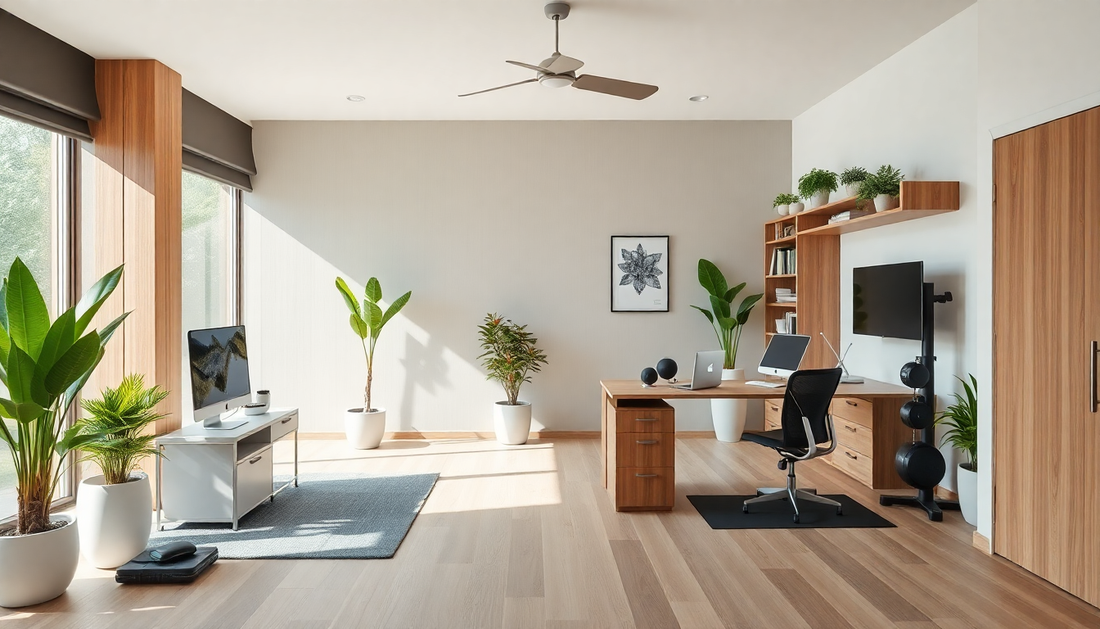
As we advance through 2025, the way we live, work, and maintain our health continues to evolve dramatically. The rise of remote work and home-based fitness routines has transformed our residential spaces into multifunctional hubs where productivity and wellness intersect. Recognizing this shift, the integration of biophilic design principles with advanced smart technology emerges as a groundbreaking approach to crafting home offices and fitness spaces that prioritize well-being alongside functionality.
This comprehensive fusion creates environments that not only stimulate creativity and focus but also support mental, emotional, and physical health. In this article, we will explore the profound impact of combining nature-inspired elements with intelligent technologies to design wellness-driven spaces that enhance your daily life.
Understanding Biophilic Design: More Than Just Bringing Nature Indoors
Biophilic design goes beyond simply adding houseplants to a room. Rooted in the human innate affinity for nature, this design philosophy promotes a connection with the natural world through architectural features, materials, spatial configurations, and sensory experiences. It is proven to reduce stress, improve cognitive function, and accelerate healing.
The core components of biophilic design include:
- Visual Connection to Nature: Incorporating views of natural landscapes or natural elements inside the space.
- Natural Materials and Patterns: Using wood, stone, water, and organic textures that mimic nature’s complexity.
- Natural Light and Airflow: Maximizing sunlight exposure and fresh air circulation.
- Environmental Features: Elements like water features, natural sounds, and plants.
- Spatial Variability: Creating spaces that offer refuge, prospect, and mystery, enhancing comfort and curiosity.
Incorporating these principles into your home office and fitness environment can dramatically enhance mood, focus, and energy levels.
The Role of Smart Technology in Creating Adaptive Wellness Spaces
Smart technology has matured into a vital enabler of personalized and responsive living environments. Its application in home offices and fitness areas allows for dynamic control over lighting, temperature, air quality, and soundscapes — all crucial for cultivating an optimal wellness atmosphere.
Key smart tech features include:
- AI-Powered Environmental Controls: Systems that learn your preferences and adjust conditions like light intensity, color temperature, and humidity automatically.
- Health Monitoring Devices: Wearables and integrated sensors that track vital signs, activity levels, and stress markers to offer actionable insights.
- Smart Fitness Equipment: Interactive machines with virtual coaching, real-time feedback, and adaptive resistance tailored to your progress.
- Voice and Gesture Controls: Hands-free operation that minimizes distractions and promotes seamless workflow or workout sessions.
- Integrated Scheduling and Reminders: Tools that prompt breaks, hydration, posture adjustments, or workout transitions to maintain balance.
By melding these technologies into your living space, you create an environment that responds intuitively to your needs, boosting both productivity and physical well-being.
Why Fuse Biophilic Design and Smart Technology?
While biophilic design nurtures our innate connection to nature, smart technology fine-tunes this connection to meet the demands of modern life. Their synergy creates holistic wellness environments with several distinct advantages:
- Customized Comfort: Smart controls maintain ideal conditions, while natural elements provide sensory richness.
- Increased Energy and Focus: Exposure to nature combined with optimized lighting and air quality supports cognitive performance.
- Enhanced Physical Health: Smart fitness tools track progress and encourage movement, complemented by calming natural surroundings that aid recovery.
- Emotional Resilience: Natural textures and sounds reduce anxiety, while technology-driven mindfulness prompts foster mental clarity.
- Eco-Conscious Living: Using sustainable materials alongside energy-efficient smart systems reduces your environmental footprint.
Designing Your Wellness-Driven Home Office and Fitness Space: Step-by-Step Guide
1. Evaluate Your Space and Set Intentions
Begin by assessing your available area, natural light sources, and ventilation. Define your primary goals — whether it’s focused work, high-intensity training, yoga, or a mix. This clarity will guide your design choices.
2. Maximize Natural Light with Smart Lighting Solutions
Position your workspace near windows to harness daylight, which is vital for maintaining circadian rhythms. Complement this with smart lighting systems that dynamically adjust brightness and hue throughout the day, reducing eye strain and boosting alertness. Consider circadian lighting bulbs and automated blinds that respond to sunlight intensity.
3. Introduce Lush Indoor Plants and Living Walls
Integrate a variety of plants such as ferns, snake plants, or pothos, known for their air-purifying qualities. For a bold statement, install a green wall or vertical garden that acts as a natural air filter and visual centerpiece. Use smart irrigation systems to automate plant care efficiently.
4. Optimize Air Quality with Smart Purifiers and Sensors
Clean air is essential for cognitive function and respiratory health. Deploy smart air purifiers with HEPA filters and integrate sensors that monitor particulate matter, VOCs, humidity, and CO2 levels. Systems that automatically adjust ventilation or humidification keep the environment fresh and invigorating.
5. Choose Ergonomic, Nature-Inspired Furniture with Smart Features
Select desks and chairs crafted from sustainable wood or bamboo with ergonomic designs to support posture. Invest in smart sit-stand desks that track your movement and encourage regular position changes to reduce sedentary strain. Accessories like footrests or balance boards made from natural materials add comfort and sensory engagement.
6. Incorporate Smart Fitness Equipment and Interactive Technology
Equip your fitness zone with devices such as smart treadmills, rowing machines, or resistance bands equipped with sensors. These tools offer personalized training programs and monitor your biofeedback. Use virtual reality (VR) or augmented reality (AR) apps to simulate outdoor workouts or immersive training environments that deepen your connection to nature.
7. Utilize Natural Materials and Textures Throughout
Flooring made from cork or bamboo provides warmth and resilience. Incorporate stone or clay accents in décor and wall finishes to add tactile and visual depth. These materials not only enhance aesthetics but also promote a grounded, calming atmosphere.
8. Create a Dynamic Soundscape with Smart Audio Systems
Deploy smart speakers programmed to play nature soundscapes such as flowing water, birdsong, or rustling leaves during work sessions to reduce stress. Switch to energetic playlists or guided workout audio during fitness routines. Sound masking technology can also minimize distracting external noises.
9. Integrate Mindfulness and Recovery Zones
Dedicate a corner for meditation or stretching with a comfortable mat, cushions made from natural fibers, and low, warm lighting. Use smart diffusers that release essential oils like lavender or eucalyptus controlled via app timers to enhance relaxation and recovery.
Additional Tips for Seamless Integration
- Data Privacy: Ensure all smart devices comply with current data protection standards to safeguard your personal information.
- Energy Efficiency: Opt for devices with energy-saving modes and consider solar-powered smart home integrations.
- Maintenance: Regularly update software and maintain plants and equipment to keep your space functioning optimally.
- Personalization: Use customizable smart home hubs to centralize control and tailor settings to your unique lifestyle and wellness goals.
- Community and Inspiration: Engage with online forums and local groups focused on biophilic design and smart home innovation for fresh ideas and support.
Case Studies: Real-World Examples of Biophilic and Smart Tech Fusion
Case Study 1: The Green Tech Workspace
A software developer transformed a spare room into a hybrid home office and gym featuring a living green wall, smart circadian lighting, and AI-driven air purification. The setup included a smart sit-stand desk and interactive fitness mirror. The result was a 30% increase in productivity and a marked reduction in stress levels.
Case Study 2: Nature-Integrated Fitness Retreat
A wellness enthusiast designed a basement fitness studio with natural wood flooring, stone accents, and panoramic virtual windows displaying forest environments via AR. Smart fitness equipment tracked workouts while a smart sound system provided nature-inspired soundscapes. This combination improved workout consistency and emotional well-being.
Conclusion
The future of home living in 2025 and beyond lies in environments that nurture both productivity and health. By innovatively fusing biophilic design with smart technology, you can create a home office and fitness space that is not only functional but also deeply restorative and inspiring.
This wellness-driven approach helps you harness the best of nature and technology, fostering spaces where your mind can focus, your body can thrive, and your spirit can rejuvenate. Embrace this transformative design strategy to elevate your everyday living and truly make your home a sanctuary of well-being.
Start small, stay mindful, and watch as your space evolves into a harmonious blend of nature and innovation tailored just for you.