
Home Office Fitness Playbook: Smart Rituals, Portable Microzones & Wearable‑Guided Microbreaks to Reclaim Movement and Focus
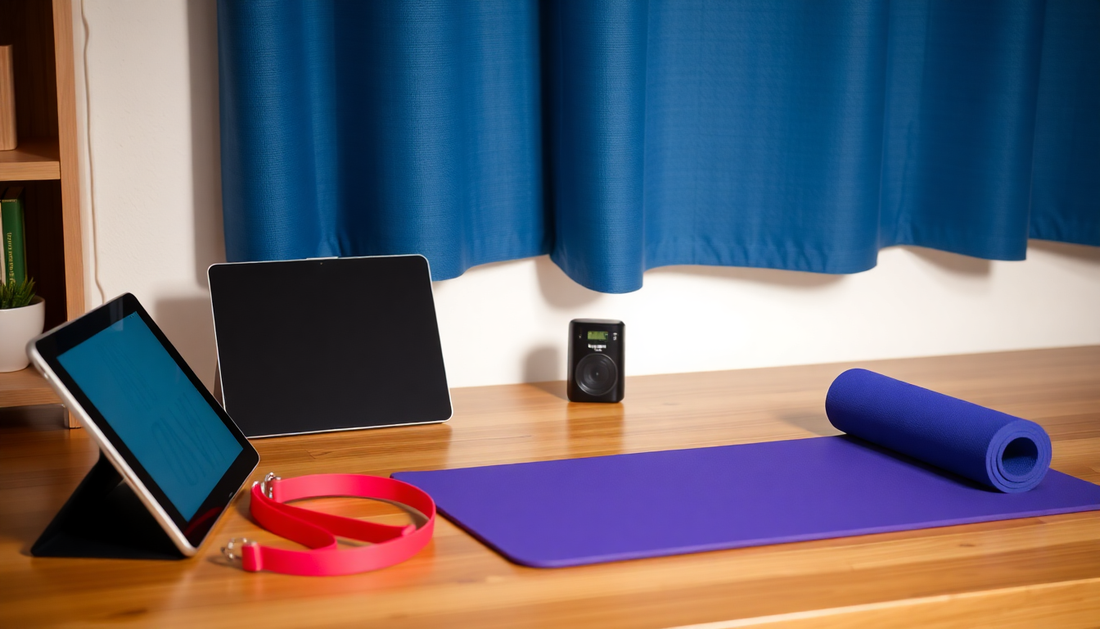
Introduction: The Case for Home Office Fitness in 2025
Remote and hybrid work are mainstream in 2025. That flexibility is a huge win for many, but it also means we face unique challenges: prolonged sitting, fragmented attention, and the blurring of work and life boundaries. The antidote is not a single long workout, but a system that inserts movement, recovery, and cognitive reset into the rhythm of your workday.
This playbook presents a practical, evidence‑informed approach: smart rituals to frame your day, portable microzones that eliminate friction, and wearable‑guided microbreaks that nudge you without breaking flow. Use these strategies to reduce pain, boost focus, manage energy, and build sustainable habits that fit real life.
How This Playbook Is Organized
- Core principles and habit science to understand why small doses of movement work better.
- Smart rituals you can implement immediately.
- Design options for portable microzones in any home layout.
- Detailed wearable configurations and guided microbreak sequences.
- Sample daily and weekly plans, 7‑day and 12‑week progressions.
- Practical troubleshooting, common barriers, and tracking approaches that avoid obsession.
Principles That Drive Results
Before diving into routines, understand the principles that make them work. These are the design constraints to keep in mind when customizing the system to your life.
- Microdose Consistency Over Episodic Intensity: Frequent short breaks are better for posture, circulation, and cognitive stamina than a single long session after a day of sitting.
- Contextual Cues Win: Tie microbreaks to existing work rituals such as meeting end, calendar blocks, or wearable haptics to reduce reliance on willpower.
- Low Friction, High Reward: The fewer steps to start a break, the more likely you’ll do it. Portable microzones and minimal equipment reduce activation energy.
- Sensory Nudges Beat Reminders: Subtle haptics, brief visual cues, and audio cues are more effective than constant push notifications that cause alert fatigue.
- Measure Signals, Not Noise: Track broad metrics like weekly active minutes, focus streaks, and sleep quality instead of chasing every data point.
Behavioral Science Brief: Making Habits Stick
Designing behavior change into your day uses simple habit mechanics: cue, routine, reward. Use a predictable cue (the wearable buzz, meeting end chime), a short routine (90–300 seconds of movement), and a clear reward (refreshment, brief dopamine hit from movement, or a checkmark in your tracker).
- Start Tiny: Begin with a 60–90 second microbreak so success is automatic.
- Stack Habits: Pair microbreaks with existing routines (coffee, bathroom trips, or calendar transitions).
- Increase Gradually: After two weeks of consistency, lengthen breaks or add intensity.
Smart Rituals: Ritualize Focus and Movement
Rituals serve to mark transitions and prime the brain. Implement a small set of rituals you repeat daily so movement becomes automatic.
- Morning Reset Ritual (3–5 minutes): Open a window, hydrate with a glass of water, three deep diaphragmatic breaths, gentle neck and shoulder mobility, and a short standing hip opener. This wakes the body and signals start of work.
- Pre‑Meeting Brief (60 seconds): Quick posture check, 30 seconds chest opener, and 30 seconds breathing to reduce anxiety and improve presence.
- Between‑Meeting Reset (90–120 seconds): Haptic cue triggers a standing sequence: calf raises, 10 band pull‑aparts or scapular squeezes, and two slow squats, followed by a posture reset.
- End‑of‑Day Shutdown (2–4 minutes): Journal one line about wins, stretch the forearms and lower back, and shut down screens. This ritual helps boundary setting and recovery.
Designing Portable Microzones for Any Home
Microzones are compact, repeatable spaces with a small set of moves you can do without setup. The goal is to be able to move in 10 seconds.
- Doorframe Zone: Use the doorway for band anchors, chest stretches, and vertical hang decompression. A light pull‑apart band and a small towel are all you need.
- Chair Zone: Your desk chair is a tool. Exercises include sit‑to‑stand, lateral seat shifts, seated thoracic rotations, and desk pushups.
- Mat Corner: A 2 x 3 foot mat near your desk for planks, hip stretches, bird dogs, and breathing practices.
- Hallway or Stair Microzone: 3–6 steps are ideal for stair climbs, lateral shuffles, and short high‑intensity bursts that spike heart rate quickly.
- Under‑desk Zone: Keep a mini stepper or loop bands under the desk for subtle movement during long calls or while reading notes.
Setting Up the Perfect Microzone
Follow this checklist when designing a microzone:
- Visibility: Put something visible (mat, band, small sign) so you remember the zone exists.
- Accessibility: Keep equipment within arm’s reach of your work area.
- Safety: Ensure the floor is non‑slip and the area is clear of furniture or cables.
- Variety: Map 3–5 movement options to each zone covering mobility, strength, and cardio.
- Compact Storage: Use hooks, small baskets, or drawers to store bands and small weights to keep the space tidy.
Wearable‑Guided Microbreaks: Technical Setup
Modern wearables are powerful coaching tools when configured correctly. The aim is to convert device signals into low friction action.
- Choose One Master Device: Wear one device reliably to avoid fragmentation of cues.
- Configure Haptic Reminders: Set discreet haptics every 30–60 minutes. Prefer vibration only during deep work blocks to avoid noise distraction.
- Enable Guided Breathing: Use the device’s guided breathing sessions as your start ritual for focus resets.
- Use Smart Triggers: If available, set reminders based on inactivity, elevated resting heart rate, or reduced HRV to prompt recovery microbreaks.
- Integrate With Calendar and Focus Apps: If your wearable supports automation, link it to Do Not Disturb or Focus modes to deliver haptics during breaks but remain silent during important calls.
Wearable-Friendly Microbreak Scripts
Below are microbreak scripts that map to typical wearable cues. Each script is designed to be concise and repeatable.
- One‑Minute Reset (wearable haptic cue): 15 seconds diaphragmatic breathing; 15 seconds neck rolls; 30 seconds standing calf raises and shoulder openers.
- Three‑Minute Focus Reboot (guided breathing session): 60 seconds box breathing; 60 seconds hip hinge and lateral lunges; 60 seconds scapular retraction and posture reset.
- Five‑Minute Energy Spike (heart rate nudge): 60 seconds brisk stair steps or high knees; 90 seconds bodyweight squats; 60 seconds plank or desk pushups; 30 seconds cooldown breathing.
Sample Wearable Configurations (Actionable)
Below are recommended settings you can replicate on most modern wearables. Use settings as a starting point and tune to your response.
- Reminders every 45 minutes during focus blocks, muted during meetings (use focus mode integration where possible).
- Enable guided breathing sessions for 60–120 seconds at the start of each major task block.
- Turn on inactivity alerts for 50 minutes of continuous sitting, with a follow up at 90 minutes if not moved.
- Use HRV baseline thresholds when available to trigger longer recovery sessions after stress responses.
Sample 5–15 Minute Microbreak Templates
Pick a template based on time available and your goal: mobility, posture, focus, or energy.
- 90 Second Mobility: 30 seconds wrist and shoulder rolls; 30 seconds seated thoracic rotation; 30 seconds standing hip opener.
- 5 Minute Posture Reset: 60 seconds doorframe chest stretch; 60 seconds band pull‑aparts; 60 seconds scapular squeezes; 60 seconds chin tucks; 60 seconds breathing cooldown.
- 10 Minute Energy Booster: 2 minutes brisk stair steps; 2 minutes dynamic hamstring and hip stretches; 3 sets of 10 chair squats and pushups to desk; 2 minutes breathing recovery.
- 15 Minute Strength Microcircuit: 3 rounds of 10 air squats, 10 slow lunges per leg, 10 glute bridges, 20 seconds plank. Rest between rounds 30–60 seconds.
Integrating Microbreaks With Workflows
Microbreaks are most sustainable when they harmonize with your work methodology rather than interrupt it. Here are integration patterns that work.
- Pomodoro Hybrid: Use 45 minute focus sessions with a 5 minute microbreak. After 4 cycles, take a 20 minute movement session.
- Meeting‑Based Stacking: If your schedule is meeting heavy, stack microbreaks after every two meetings for 3–5 minutes of reset.
- Deep Work Blocks: During long deep work, reduce frequency to 60 minutes but increase microbreak quality to 5–7 minutes with mobility and breathing.
- Ad hoc Flow Protection: If in flow, delay the haptic for 10 minutes and schedule multiple microbreaks afterwards as a recovery buffer.
Daily and Weekly Example Schedules
Pick the template closest to your job type and tweak timing to fit your calendar.
- Knowledge Worker (calendar filled with meetings): Reminders every 45 minutes; between meeting ritual 90 seconds; lunch microzone 10 minutes; mid‑afternoon 5 minute energy spike; end of day shutdown ritual.
- Deep Focus Researcher or Writer: 60–90 minute blocks with 5 minute mobility microbreaks; 15 minute active break midday; 20–30 minute evening mobility or strength session.
- Hybrid Manager: Short microbreaks between meetings; under‑desk movement during long calls; 3 intentional 10 minute strength or mobility blocks through the day.
12‑Week Progressive Home Office Fitness Plan
Progression matters. Here is a progressive scaffold that increases consistency, duration, and intensity slowly and sustainably.
- Weeks 1–2: Establish wearable reminders and two rituals. Aim for three microbreaks per day (60–90 seconds each).
- Weeks 3–4: Add a second microzone and increase to four microbreaks per day. Introduce one 10 minute midday session.
- Weeks 5–8: Consistently perform 6 microbreaks per day; include two strength microbreaks per week and one cardio spike per week.
- Weeks 9–12: Solidify routine with 6–8 microbreaks daily, three weekly strength microcircuits, and two 15–30 minute dedicated sessions. Evaluate and refine based on wearable metrics and subjective energy.
Tracking Progress Without Obsession
Metrics should guide behavior, not control it. Track a small set of signals and avoid data paralysis.
- Weekly active minutes and number of microbreaks per workday.
- Focus duration: how long you can work uninterrupted before a break.
- Sleep quality and subjective morning energy scores.
- Pain or stiffness log: rate back, neck, and wrist discomfort weekly on a 1–10 scale.
Every two weeks, reflect on what changed and adjust timing or intensity. If metrics are declining, simplify the routine rather than adding complexity.
Ergonomics and Environment: Small Changes That Matter
Movement is only part of the solution. Basic ergonomics reduce strain and extend the benefit of microbreaks.
- Desk height: ensure forearms rest parallel to the floor when typing.
- Monitor position: top of screen at or slightly below eye level to avoid neck strain.
- Chair support: lumbar support or a small cushion to maintain natural spine curvature.
- Lighting and plants: natural light and a small plant can improve mood and reduce fatigue.
Nutrition, Hydration and Recovery Tips for the Home Worker
Energy management is holistic. Use nutrition and rest to support movement habits and cognitive function.
- Hydrate early and often. Keep a water bottle visible and pair hydration with microbreaks.
- Prefer slow‑release snacks (protein, healthy fats, fiber) to reduce crashes.
- Schedule caffeine strategically: morning and early afternoon at most to protect sleep.
- Prioritize sleep hygiene: consistent bed time and a 30 minute wind‑down ritual reduce afternoon slumps.
Behavioral Hacks and Motivation Strategies
When motivation wanes, use systems to keep momentum.
- Accountability partner: do microbreaks together or share a daily summary.
- Microstreaks: track consecutive days of meeting your microbreak goal and reward milestones.
- Visual reminders: a small sticky note on your monitor or a visible mat keeps the goal present.
- Temptation bundling: do a pleasurable activity only during movement breaks, like listening to a favorite song.
Common Barriers and Solutions
- Too many meetings: schedule microbreaks at the end of every second meeting; use silent haptics when needed.
- Shared space or kids: use seated and doorway microzones and time microbreaks for predictable family windows.
- Device overload: limit app notifications to essential alerts and rely on haptics rather than sound.
- Feeling silly: start with neutral mobility moves until the habit is internalized; privacy fades as consistency builds.
Case Study: How One Remote Designer Reclaimed Focus
Example profile: Maya, product designer working remotely four days a week, reported afternoon fog and lower back pain. She implemented the playbook over eight weeks with the following steps.
- Week 1: Wore a single smartwatch and enabled haptic reminders every 45 minutes; started the 3 minute morning ritual.
- Week 3: Set up a mat corner and chair zone with loop bands; moved to six short microbreaks per day.
- Week 6: Added two 10 minute strength microcircuits per week and tracked subjective energy. Back pain decreased from 6 to 2 on a 10 point scale, and afternoon focus improved noticeably.
Lessons: consistency with simple moves and reliable cues produced meaningful change without adding long workouts.
Travel and Travel‑Day Modifications
When working from a hotel or coworking space, portability matters. Here are quick adaptations.
- Pack a loop band and a foldable mat or towel. These create instant microzones.
- Use standing meetings when possible to keep circulation flowing.
- Short walking tours between calls: 5–10 minutes outdoors resets mood and improves sleep when crossing time zones.
How to Pitch Microbreaks to Your Manager
If your workplace is skeptical of breaks, frame them as productivity tools.
- Evidence‑based angle: brief movement restores cognitive function and reduces presenteeism.
- Low cost: minimal equipment and independent practice reduce overhead.
- Track impact: suggest a trial period with metrics such as meeting efficiency, reported focus, and reduced sick days.
Recommended Minimal Equipment List
- Loop resistance bands or one light resistance band.
- Foldable or compact mat (2 x 3 feet minimum).
- Adjustable chair or lumbar cushion.
- Wearable with reliable haptics and guided breathing features.
- Optional: small kettlebell or adjustable dumbbell for progressive overload.
Top Apps and Features to Explore in 2025
Look for apps or device features that support these capabilities rather than brand names: haptic microreminders, guided breathing, inactivity triggers, HR and HRV baselines, calendar integration, and quick guided movement libraries. Pick one ecosystem and stick with it to reduce friction.
Measuring ROI: What Success Looks Like
Success is personal and measurable in both objective and subjective ways. Useful ROI measures include:
- Increase in weekly active minutes and microbreak count.
- Improved sleep quality and morning energy ratings.
- Reduced reports of back, neck, and wrist pain.
- Longer deep focus sessions with fewer interruptions by fatigue.
- Higher daily mood and reduced midday slump frequency.
Safety and Medical Notes
This playbook is designed for generally healthy adults. If you have chronic pain, cardiovascular conditions, or other medical concerns, consult your healthcare professional before beginning new movement routines. Start slowly and prioritize pain‑free motion; modify movements as needed.
FAQ Expanded
- Q: How many microbreaks are ideal? A: Aim for 6 per workday as a practical target, but anywhere from 3 to 8 works depending on schedule and goals. The key is consistency.
- Q: Will microbreaks interrupt flow? A: Short, well‑timed breaks usually enhance overall productivity by restoring attention. Use wearable haptics to time breaks around your flow when needed.
- Q: Can I replace a midday workout with microbreaks? A: Microbreaks complement rather than replace a dedicated workout. They reduce sitting harm and boost productivity; maintain 2–3 weekly longer workouts for fitness goals.
- Q: How quickly will I see results? A: Some benefits, such as reduced stiffness and short term mood lift, can appear within days. Structural improvements like strength and posture take weeks to months depending on commitment.
Final Checklist: Start Today
- Pick one wearable and configure haptic microbreaks every 45 minutes during work blocks.
- Create two microzones and map 2–3 moves to each zone.
- Adopt the morning reset ritual and one between‑meeting ritual.
- Commit to a 7‑day mini protocol to build momentum and track simple metrics.
Closing Thoughts
Home office fitness in 2025 is less about squeezing in an hour at the end of the day and more about designing smarter days. By combining habit design with portable microzones and wearable‑guided microbreaks, you can reclaim movement, sharpen focus, and protect your long‑term health — all without disrupting your workflow. Start small, automate the cues, and let consistent microdoses compound into meaningful gains.
Take the first step now: set a haptic reminder for 45 minutes from now and do a 90 second reset. Little seeds become forests when tended consistently.