
From Calendar to Core: AI Schedules, Micro-Workout Zones & Wearable Feedback to Bring Fitness into Your Home Office
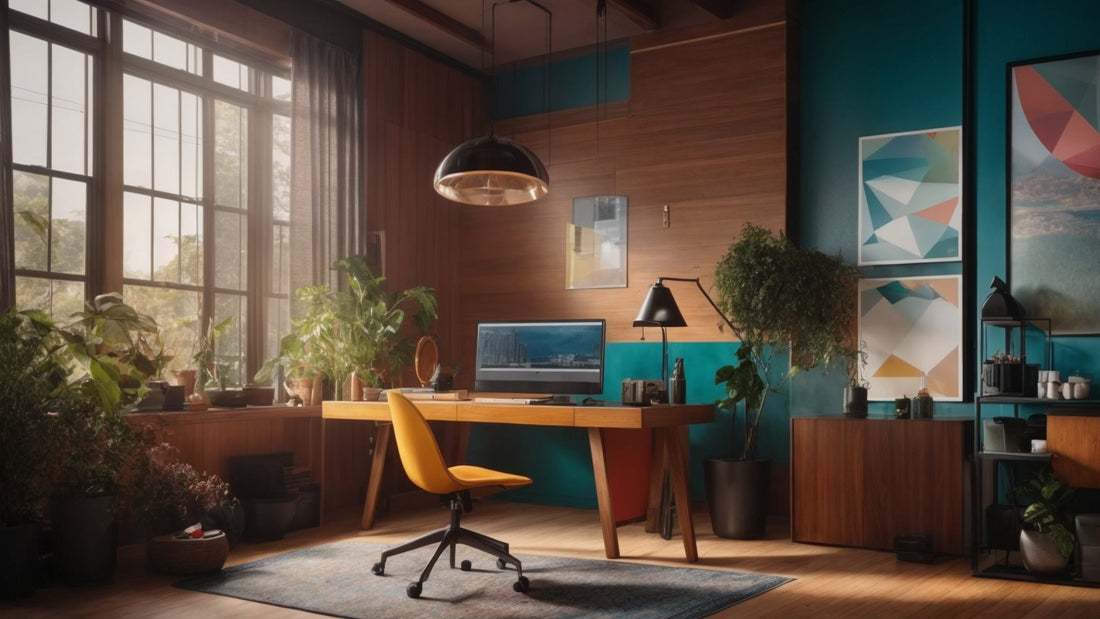
The Sedentary Challenge of the Modern Home Office
The landscape of work has undergone a seismic shift, with the home office solidifying its position as a primary professional environment for millions. This paradigm change offers unparalleled flexibility, yet it simultaneously presents significant challenges to our physical health.
The physical transitions that once punctuated our workday – the commute, walking to meetings, navigating office buildings – have largely vanished, replaced by the immediate proximity of our desks. Consequently, sedentary behavior has become an omnipresent concern, often leading to a cascade of negative health outcomes, including poor posture, increased risk of cardiovascular disease, and reduced energy levels.
Recognizing this, forward-thinking professionals and technology innovators are collaborating to forge a new path, one that integrates robust physical activity directly into the fabric of our home-based work lives. We are witnessing a profound evolution, moving "From Calendar to Core", where intelligent AI scheduling, thoughtfully designed micro-workout zones, and sophisticated wearable feedback mechanisms converge to make fitness an indispensable element of the home office experience.
AI as Your Proactive Wellness Partner
The most significant barrier to consistent exercise for many remote workers is the perceived scarcity of time and the sheer mental overhead of planning and scheduling workouts. This is precisely where the transformative power of Artificial Intelligence (AI) comes into play.
How AI Overcomes the "No Time to Exercise" Problem
AI-driven wellness platforms are emerging as sophisticated personal fitness concierges, capable of analyzing an individual's work calendar, identifying opportune moments for movement, and proactively scheduling short, highly effective exercise sessions.
Personalized Scheduling for Maximum Impact
These intelligent systems go beyond simple time blocking; they learn your unique work patterns, gauge your typical energy fluctuations throughout the day, and even factor in the cognitive demands of upcoming tasks.
Imagine an AI suggesting a 15-minute dynamic stretching routine designed to counteract prolonged sitting just before an important client presentation, or a brisk 10-minute HIIT session following a lengthy period of deep concentration.
Optimizing Space for Movement: The Rise of Micro-Workout Zones
The dream of a fully equipped home gym might be out of reach for many, but the creation of effective "micro-workout zones" within existing home office spaces offers a highly practical and impactful solution.
Small Changes with Big Impact
Consider the strategic placement of a compact, foldable treadmill or an ergonomic stationary bike, easily accessible for short cardiovascular intervals. Resistance bands, with their incredible versatility and minimal storage footprint, can be hung on a doorframe or stowed in a desk drawer.
A simple yoga mat can be unfurled during brief respites, facilitating stretching, core work, or restorative movements. Even compact, adjustable weights like kettlebells or dumbbells can unlock a vast array of strength and conditioning possibilities.
Leveraging Wearable Technology for Intelligent Fitness Optimization
Wearable technology has transcended its origins as a mere pedometer, evolving into a sophisticated ecosystem of personal biometric monitoring. Modern smartwatches, advanced fitness trackers, and even discreet smart rings now offer real-time insights into critical physiological metrics.
Data-Driven Personalized Training
AI-powered fitness applications seamlessly connect with these wearables, translating raw biometric data into actionable, personalized feedback. This feedback informs workout intensity, guides recovery protocols, and provides a holistic view of your body's response to physical activity.
For instance, if your wearable indicates heightened stress levels, an AI might intelligently suggest a guided mindfulness session. Conversely, if your heart rate metrics show insufficient exertion, the AI can prompt you to increase intensity or suggest alternative exercises.
The Holistic Benefits: Enhanced Productivity, Reduced Stress, and Improved Well-being
The advantages of weaving consistent physical activity into the home office routine extend far beyond the purely physical realm. A robust body of scientific research unequivocally demonstrates that regular exercise significantly enhances cognitive functions such as focus, memory, and problem-solving.
By strategically employing AI scheduling, creating easily accessible micro-workout zones, and harnessing the power of wearable feedback, professionals can counteract the detrimental effects of prolonged sedentary work.
A New Model for Work-Life Integration
This integrated, multi-faceted approach transforms the home office from a potential health liability into a dynamic environment that nurtures professional achievement and personal well-being. As we move further into 2025 and beyond, embracing these innovations is not just a trend—it’s a vital investment in sustainable productivity and health.