
Designing an Invigorating and Productive Home Office and Fitness Area for 2025: Innovative Strategies for Optimal Work-Life Integration
Introduction
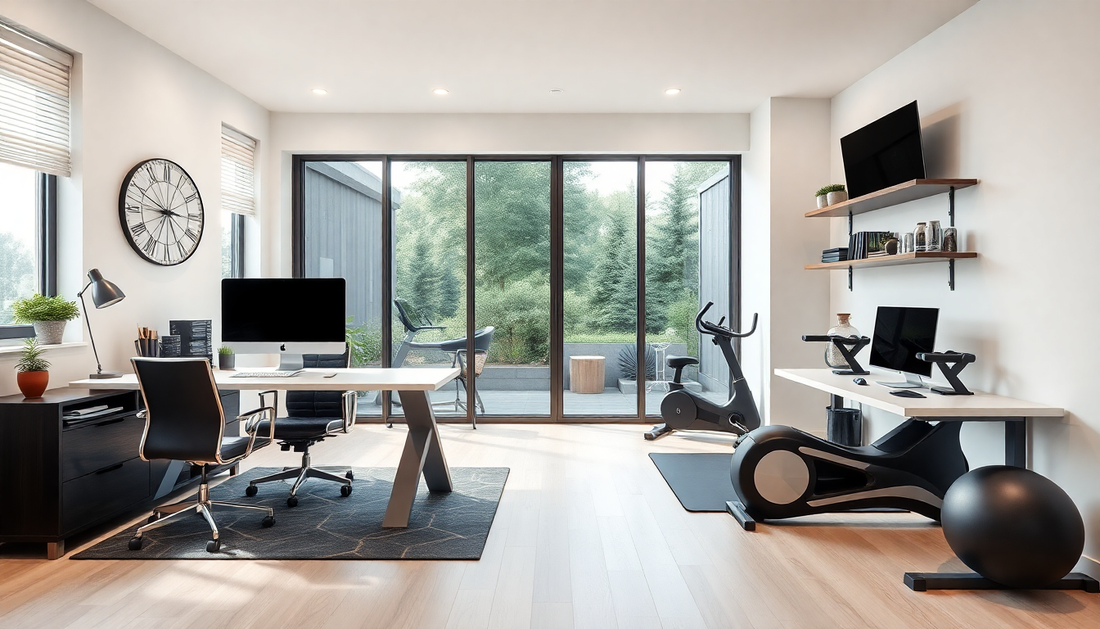
As we navigate through 2025, the way we work and live has transformed significantly. The lines between home and office have blurred, making it essential to create spaces that foster productivity and well-being. With remote work becoming a standard practice, many individuals are seeking ways to optimize their home environments for both work and fitness. In this article, we will explore innovative strategies to design an invigorating home office and fitness area that promotes optimal work-life integration, enabling you to achieve your professional goals while maintaining physical and mental health.
1. Understanding the Importance of a Dual Space
Incorporating both a home office and a fitness area can enhance both physical health and mental clarity. Here’s why it matters:
- Improved Focus: A dedicated workspace helps eliminate distractions, while regular exercise boosts concentration. Studies show that short bursts of physical activity can significantly improve cognitive function.
- Work-Life Balance: Having distinct areas promotes a separation between work and personal life. This division is crucial for mental well-being, preventing burnout and fostering creativity.
- Enhanced Creativity: Physical activity is known to stimulate creativity and problem-solving skills. A well-designed space encourages you to take breaks, which can lead to innovative ideas when you return to work.
2. Choosing the Right Location
When designing your dual space, the location is key. Consider the following:
- Natural Light: Choose a room with plenty of windows to enhance mood and energy levels. Natural light not only increases serotonin production but also helps regulate sleep patterns, leading to greater productivity.
- Minimal Distractions: Select a quieter area of your home to maintain focus during work hours. This might mean avoiding high-traffic areas where family members or pets may disrupt your concentration.
- Accessibility: Ensure that both spaces are easily accessible to encourage regular movement between them. A layout that promotes easy transitions can help you switch from work mode to workout mode seamlessly.
3. Designing the Home Office
To create an effective home office, consider implementing these innovative design strategies:
- Ergonomic Furniture: Invest in a comfortable chair and desk that promote good posture. Adjustable standing desks can also provide variety in your work position, reducing the risk of musculoskeletal issues.
- Technology Integration: Utilize smart devices and apps to streamline your workflow. Tools such as noise-canceling headphones, smart lighting, and task management software can enhance your productivity.
- Personal Touches: Add elements that inspire you, such as artwork or plants, to create an inviting atmosphere. Incorporating greenery can also improve air quality and reduce stress.
- Color Psychology: Choose colors that enhance productivity. Research shows that blues and greens can promote calmness and focus, while yellows can stimulate creativity.
- Sound Management: Consider soundproofing options or white noise machines to minimize distractions. A quiet environment can significantly boost your ability to concentrate.
4. Creating an Invigorating Fitness Area
Your fitness area should motivate you to stay active. Here are some tips to achieve this:
- Multi-Functional Equipment: Use versatile fitness equipment, such as resistance bands, adjustable dumbbells, and yoga mats, to save space and cater to various workouts.
- Inspiring Decor: Add motivational quotes and vibrant colors to energize the space. A visually stimulating environment can encourage you to engage in physical activity.
- Technology for Tracking Progress: Incorporate fitness trackers or apps to monitor your exercise routine and stay accountable. Many apps offer personalized workout plans and progress tracking, making it easier to achieve your fitness goals.
- Dedicated Workout Zones: Create specific areas for different types of workouts, such as cardio, strength training, or yoga. This organization can help you mentally transition from work to workout mode.
- Virtual Classes: Set up a space for virtual workout classes. With the rise of online fitness programs, having a designated area can enhance your workout experience.
5. Integrating Work and Fitness
Blending work and fitness can lead to a more productive day. Consider these integration strategies:
- Scheduled Breaks: Set specific times during your workday for quick workouts or stretches. Short, frequent breaks can help refresh your mind and prevent fatigue.
- Walking Meetings: Conduct meetings while walking or standing to increase energy and engagement. This practice can also encourage creativity and open dialogue.
- Fitness Challenges: Encourage colleagues or family members to join you in fitness challenges to foster motivation. Friendly competition can increase accountability and make exercising more enjoyable.
- Desk Exercises: Incorporate simple exercises during work hours, such as seated leg lifts or desk push-ups. These movements can break up long periods of sitting and keep your energy levels up.
- Mindfulness Practices: Integrate mindfulness or meditation sessions into your day to enhance mental clarity. A calm mind can lead to better decision-making and increased productivity.
6. Maintaining a Balanced Routine
Finally, to ensure long-term success, maintain a balanced routine by:
- Setting Boundaries: Clearly define work hours and fitness time to avoid burnout. Establishing a routine helps create a sense of normalcy and structure in your day.
- Regular Assessment: Regularly evaluate your productivity and fitness outcomes to make necessary adjustments. Tracking progress can help you stay committed to your goals.
- Prioritizing Self-Care: Don’t forget to incorporate relaxation techniques and downtime into your schedule. Activities such as reading, journaling, or practicing hobbies are essential for mental health.
- Nutrition Awareness: A balanced diet complements your fitness routine. Consider meal prepping or planning healthy snacks to fuel your body for both work and workouts.
- Community Engagement: Join local fitness groups or online communities to stay motivated and connected with others who share similar goals.
7. Future Trends in Home Office and Fitness Design
As we look ahead, several trends are emerging in the design of home offices and fitness spaces that may influence your planning:
- Sustainable Materials: The use of eco-friendly materials in furniture and decor is on the rise, as more people become environmentally conscious.
- Smart Home Integration: Voice-activated devices and smart technology will continue to enhance convenience and efficiency in both work and fitness environments.
- Biophilic Design: Incorporating natural elements into your space, such as indoor gardens or water features, can improve air quality and create a calming atmosphere.
- Flexible Spaces: Multi-use areas that can adapt to different activities will become more popular, allowing for seamless transitions between work and exercise.
- Personalized Wellness: Customizable wellness programs and equipment tailored to individual preferences will gain traction, promoting a more tailored fitness experience.
Conclusion
Designing a home office and fitness area that works in harmony is not only possible but essential for thriving in 2025. By following these innovative strategies, you can create a space that enhances your productivity while supporting your physical health. Embrace the future of work-life integration and watch how it transforms your daily routine into a balanced and fulfilling experience. Remember, a well-designed environment can significantly impact your overall well-being, leading to a happier, healthier life.