
Designing an Inspiring Home Office and Fitness Space for 2025: Creative Approaches to Boosting Productivity and Wellness
Introduction
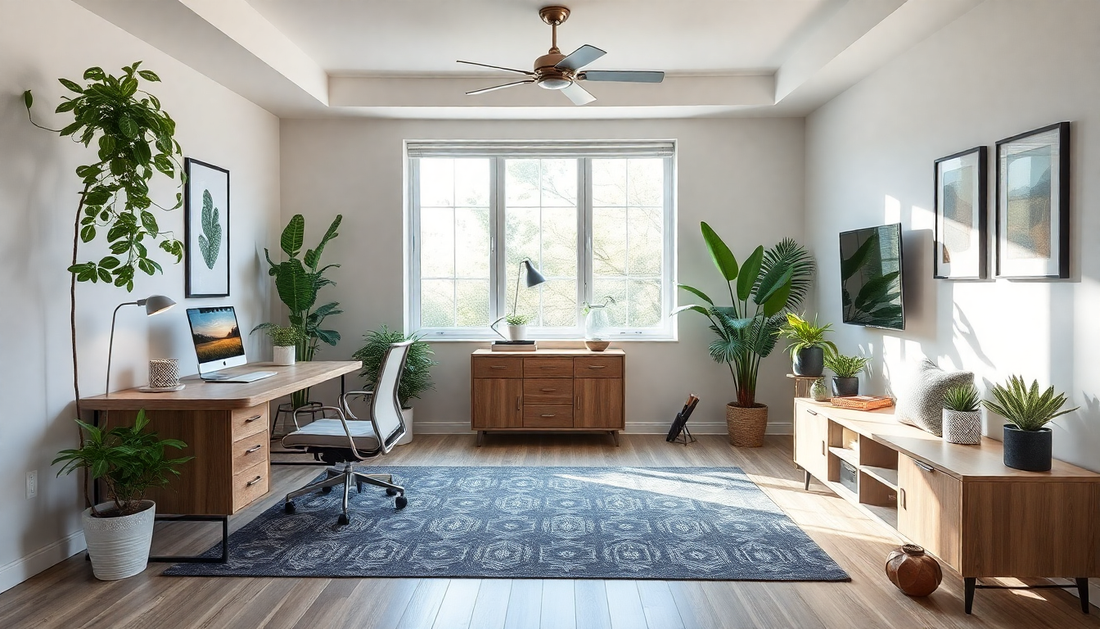
As we transition into 2025, the need for a well-designed home office and fitness space has become increasingly vital. With remote work becoming a norm and personal wellness taking center stage, creating a space that balances productivity and health is essential. This comprehensive guide explores innovative and practical approaches to designing an inspiring environment that enhances both work efficiency and physical well-being.
1. The Concept of Multi-Functional Spaces
In today’s world, where space is often at a premium, multi-functional spaces are key to maximizing both productivity and wellness. Here are some strategies to consider:
- Dual-purpose furniture: Opt for furniture that serves multiple functions. For example, a desk that can transform into a standing workstation or a coffee table that doubles as a fitness bench can save space and enhance functionality.
- Defined zones: Create distinct areas for work and exercise within the same room. Use rugs or dividers to visually separate the two spaces, making it easier to switch between work and workouts.
- Smart storage solutions: Incorporate shelving units that can hold workout gear as well as office supplies. Consider investing in ottomans or benches with hidden storage to keep your space organized.
- Convertible spaces: Design a room that can easily transition from a home office during the day to a fitness area in the evening. Use foldable exercise equipment that can be tucked away when not in use.
2. Incorporating Nature into Your Design
Biophilic design remains a key trend in 2025, underscoring the importance of connecting with nature for mental and physical health:
- Natural light: Maximize natural light exposure through large windows, skylights, or light tubes to boost mood and energy levels. Consider sheer curtains to allow light while maintaining privacy.
- Indoor plants: Incorporate a variety of indoor plants to improve air quality and create a calming atmosphere. Plants like snake plants, pothos, and peace lilies are low-maintenance options that can thrive indoors.
- Nature-inspired colors: Use earthy tones such as greens, browns, and soft blues in your decor to evoke a sense of tranquility. Paint your walls or add decorative elements in these colors to create a serene environment.
- Natural materials: Choose furniture and decor made from sustainable materials like bamboo, reclaimed wood, or organic fabrics to enhance the connection with nature.
3. Ergonomics Matter
To maintain productivity and reduce physical strain, ergonomic design is crucial in your home office and fitness space:
- Adjustable furniture: Invest in ergonomic chairs and desks that can be adjusted to your height and comfort level. Look for chairs with lumbar support and desks that can accommodate both sitting and standing positions.
- Proper screen placement: Ensure your computer screen is at eye level to prevent neck strain. Use monitor stands or adjustable arms to achieve the correct height.
- Movement breaks: Incorporate reminders to stand, stretch, and move throughout the day. Consider using a timer or app to encourage regular breaks to enhance circulation and mental clarity.
- Footrests and wrist supports: Use footrests to promote proper posture and wrist supports to prevent strain while typing.
4. Creating an Inviting Atmosphere
The atmosphere of your home office and fitness space can significantly impact your mindset and productivity. Here are ways to create a welcoming environment:
- Personal touches: Decorate your space with items that inspire you, such as artwork, photographs, or motivational quotes. Personalizing your workspace can boost your mood and make it feel more inviting.
- Comfortable textiles: Use cushions, throws, and area rugs to make your space cozy. Choose fabrics that feel good against the skin and add warmth to the room.
- Sound control: Incorporate soundproofing elements like acoustic panels or heavy curtains to minimize distractions. You can also play calming music or nature sounds to enhance focus.
- Color psychology: Select colors that promote productivity and calmness. Blues and greens are known to reduce stress, while yellows can stimulate creativity.
5. Technology Integration
In 2025, technology continues to play a vital role in home office and fitness design. Consider the following:
- Smart devices: Use smart speakers and lighting systems that can be controlled with your voice or smartphone. Programmable lighting can help set the mood for work or relaxation.
- Fitness apps: Integrate fitness tracking and workout apps to maintain your exercise routine. These apps can provide personalized workout plans and motivational reminders.
- Virtual reality: Explore virtual reality tools for immersive fitness experiences. VR can make workouts more engaging and enjoyable.
- Productivity tools: Utilize productivity applications that help manage tasks, set goals, and track progress. Tools like Trello, Notion, or Asana can enhance collaboration and organization.
6. Designing for Wellness
Wellness should be a core element of your home office and fitness space. Here are strategies to prioritize health:
- Incorporate fitness: Make room for exercise equipment, such as dumbbells, resistance bands, or yoga mats. Consider a compact gym setup that fits in your designated space.
- Mindfulness corner: Create a small area dedicated to mindfulness practices, such as meditation or yoga. This can include a mat, cushions, and calming decor.
- Healthy snacks: Keep a small fridge or snack station stocked with healthy snacks and hydration options. This helps to maintain energy levels throughout the day.
- Air quality: Invest in air purifiers or dehumidifiers to ensure a healthy atmosphere. Good air quality contributes to overall wellness and productivity.
7. Personalizing Your Space
Your home office and fitness area should reflect your personality and cater to your specific needs:
- Inspirational decor: Add elements that inspire you, such as vision boards, travel souvenirs, or favorite books.
- Customizable layouts: Create a layout that suits your workflow and fitness routine. Experiment with different arrangements until you find what works best for you.
- Color choices: Choose colors and patterns that make you feel good. Personal preferences can significantly influence your motivation and creativity.
- Technology integration: Ensure that your technology setup is tailored to your specific work and fitness needs, including adequate charging stations and cable management.
Conclusion
Designing a home office and fitness space that promotes productivity and wellness is not only achievable but also essential for a balanced lifestyle in 2025. By embracing multi-functional designs, incorporating elements of nature, focusing on ergonomic principles, creating an inviting atmosphere, integrating technology, and prioritizing wellness, you can craft an inspiring environment that nurtures both work and health. Start planning your ideal space today and take the first step toward a harmonious and productive life.