
Designing Adaptive Home Workouts and Office Spaces: Innovative Approaches to Support Mental Clarity and Physical Vitality
Introduction
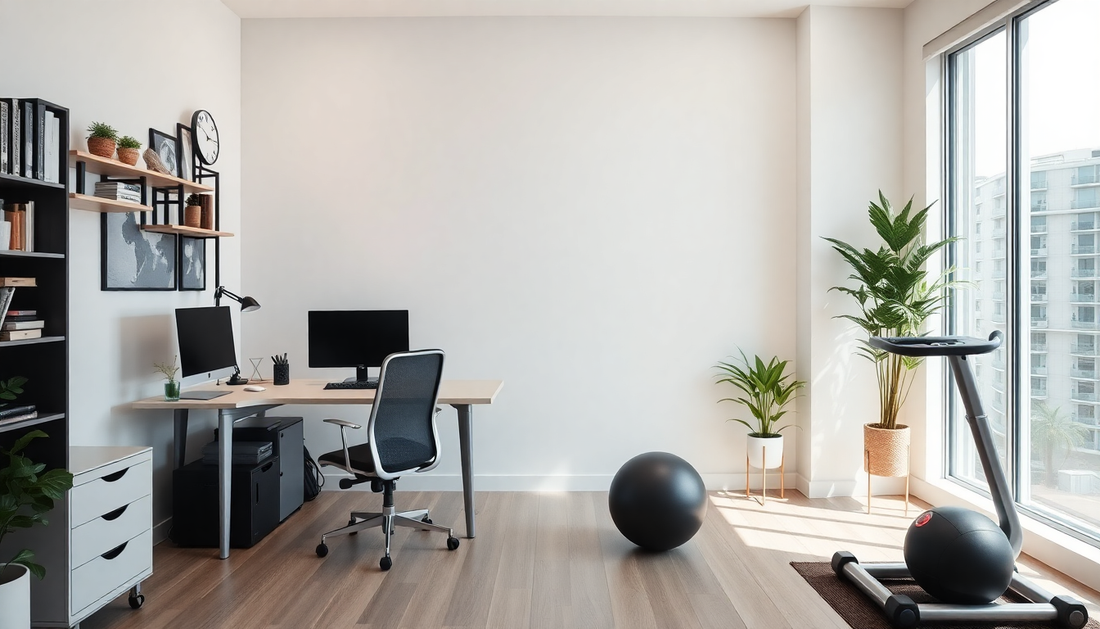
As the world continues to evolve in the era of hybrid and remote work, the importance of creating adaptive environments that cater to both professional and personal well-being has never been more critical. Designing adaptive home workouts and office spaces is not just a trend but a necessity to maintain mental clarity and physical vitality. These environments help individuals navigate the challenges of prolonged screen time, sedentary lifestyles, and the stress associated with balancing work and home responsibilities.
This comprehensive guide delves into innovative approaches to designing versatile spaces that nurture the mind and body, combining ergonomic principles, smart technology, and biophilic design elements. We will explore how to transform your living and working environments into dynamic spaces that enhance productivity, promote physical health, and foster mental wellness.
The Rising Need for Adaptive Environments
The traditional separation between offices and gyms is diminishing. More people are working from home, and their living spaces must now accommodate multiple functions. This shift has highlighted several challenges:
- Increased Sedentarism: Without the natural movement associated with commuting or walking between meetings, many experience reduced physical activity.
- Mental Fatigue: Constant digital interaction and lack of environmental variation can lead to cognitive overload and burnout.
- Space Constraints: Not everyone has the luxury of separate rooms for work and exercise.
Adaptive design addresses these challenges by creating flexible spaces that support movement, focus, and relaxation, all crucial for holistic health.
Innovative Approaches to Designing Adaptive Home Workouts
Creating a home workout zone that is both efficient and inviting encourages regular physical activity, which is essential for physical vitality and mental clarity.
1. Space Optimization Through Modular Design
Modular equipment and furniture allow for quick reconfiguration of spaces. For example, foldable treadmills, stackable weights, or wall-mounted resistance bands save space when not in use. Incorporate storage solutions like benches with hidden compartments or shelving units that double as equipment racks.
2. Incorporating Technology for Engagement and Accountability
Technology can transform workouts from monotonous routines to engaging experiences:
- Virtual Fitness Classes: Access to live or on-demand classes provides variety and motivation.
- Wearables and Apps: Track progress, monitor heart rate, and set goals.
- Smart Mirrors and Interactive Screens: Offer real-time feedback on form and performance.
3. Multi-Sensory Design Elements
To boost motivation and mood, consider:
- Lighting: Use adjustable LED lighting that can simulate daylight or energizing colors during workouts.
- Sound: Integrate speakers or headphones for immersive music or guided sessions.
- Aromatherapy: Diffuse invigorating scents like eucalyptus or peppermint.
4. Natural Integration
Studies show that exercising in environments with natural elements improves mood and reduces perceived effort. Include plants, natural wood textures, and maximize natural light to create an uplifting workout environment.
5. Adaptive Flooring Solutions
Invest in flooring that can accommodate different activities, such as cushioned mats for yoga or high-impact workouts, which can be rolled up and stored away to free space.
Designing Office Spaces to Enhance Mental Clarity
A thoughtfully designed office space can alleviate cognitive fatigue and improve focus, creativity, and overall mental well-being.
1. Ergonomic Excellence
Ergonomics is foundational to mental clarity because physical discomfort can distract and reduce productivity. Key considerations include:
- Adjustable Desks: Sit-stand desks allow users to change posture frequently.
- Supportive Seating: Chairs with lumbar support reduce strain.
- Monitor Placement: Screens positioned at eye level prevent neck and eye strain.
2. Decluttered and Organized Workspaces
Visual clutter can overwhelm the brain. Implement minimalist design principles by:
- Using cable management systems to reduce tangled cords.
- Incorporating storage solutions like filing cabinets and drawer dividers.
- Maintaining a clean desk policy, only keeping essential items visible.
3. Biophilic Design to Reduce Stress
Biophilic design connects occupants with nature, which has been shown to lower cortisol levels and improve cognitive function. Strategies include:
- Indoor plants such as succulents or air-purifying species.
- Natural materials like wood, stone, and bamboo for furniture and decor.
- Large windows or skylights to maximize natural light and views.
4. Lighting Tailored for Cognitive Performance
Lighting impacts circadian rhythms and alertness. Consider:
- Layered lighting combining ambient, task, and accent lights.
- Adjustable color temperature lighting that can shift from cool, focused light during work to warmer tones for relaxation.
- Minimizing glare on screens with proper placement and window treatments.
5. Acoustic Comfort
Noise can be a significant disruptor. Solutions include:
- Sound-absorbing panels or ceiling tiles.
- White noise machines to mask distracting sounds.
- Quiet zones or private rooms for focused work or calls.
6. Personalization and Flexibility
Allowing users to personalize their space through adjustable furniture, lighting controls, and decor choices enhances comfort and mental engagement.
Integrating Physical Activity into Office Spaces
Promoting movement during work hours is vital to counteract the effects of prolonged sitting and mental fatigue.
1. Active Workstations
- Standing Desks: Encourage blood flow and reduce sedentary time.
- Under-Desk Bikes or Ellipticals: Facilitate low-impact movement without leaving the workstation.
- Balance Boards: Improve core strength and posture while working.
2. Scheduled Movement Breaks
Encourage short, frequent breaks for stretching or quick exercises to refresh the mind and body. Use timers or apps to prompt these breaks.
3. Dedicated Movement Zones
Create small areas equipped with mats, foam rollers, or resistance bands within the office for quick workouts or stretching sessions.
4. Mindfulness and Relaxation Spaces
Incorporate quiet corners with comfortable seating, dimmable lights, and calming decor to facilitate meditation or deep breathing exercises that enhance mental clarity.
Tips for Successfully Combining Work and Workout Spaces
Balancing the demands of work and fitness in a shared space requires thoughtful planning.
- Define Zones Visually: Use rugs, furniture arrangement, or partitions to separate work and workout areas, signaling shifts in activity.
- Maintain Flexibility: Use foldable or mobile furniture to easily switch functions.
- Consistent Routine: Schedule workout times to build a habit that fits naturally within the workday.
- Noise Management: Use headphones or soundproofing to avoid distractions during work or workouts.
- Proper Ventilation: Ensure good airflow to keep spaces fresh and comfortable.
Case Studies: Real-World Examples of Adaptive Home and Office Design
Case Study 1: The Compact Urban Apartment
A young professional in a small city apartment uses foldable workout equipment stored under a desk. The office desk converts into a yoga mat storage area, and smart lighting adjusts throughout the day to support both work and exercise moods.
Case Study 2: The Family Home Hybrid Space
A family home integrates a shared office with adjustable desks and multiple workout stations to accommodate different members. Biophilic elements like indoor plants and natural wood furniture create a calming atmosphere, while noise-canceling panels help manage distractions.
Case Study 3: The Tech-Savvy Remote Worker
This remote worker employs smart mirrors and virtual trainers in a dedicated workout corner adjacent to an ergonomic office setup. Voice-activated lighting and temperature controls optimize comfort and focus.
Conclusion
Designing adaptive home workouts and office spaces is a powerful strategy for supporting mental clarity and physical vitality in 2025 and beyond. By embracing modular designs, integrating smart technology, and prioritizing ergonomics and biophilic elements, individuals can craft environments that respond dynamically to their needs.
Whether you have a spacious home or a compact apartment, the key lies in flexibility, personalization, and intentionality. These innovative approaches not only enhance productivity but also promote healthier, happier lifestyles—empowering you to thrive amid the demands of modern life.
Start today by assessing your current space and envisioning how simple changes can make a profound difference in your well-being and work-life harmony.