
Designing a Wellness-Centered Home Office and Fitness Space: Innovative Approaches to Foster Mental Clarity and Physical Energy
Introduction
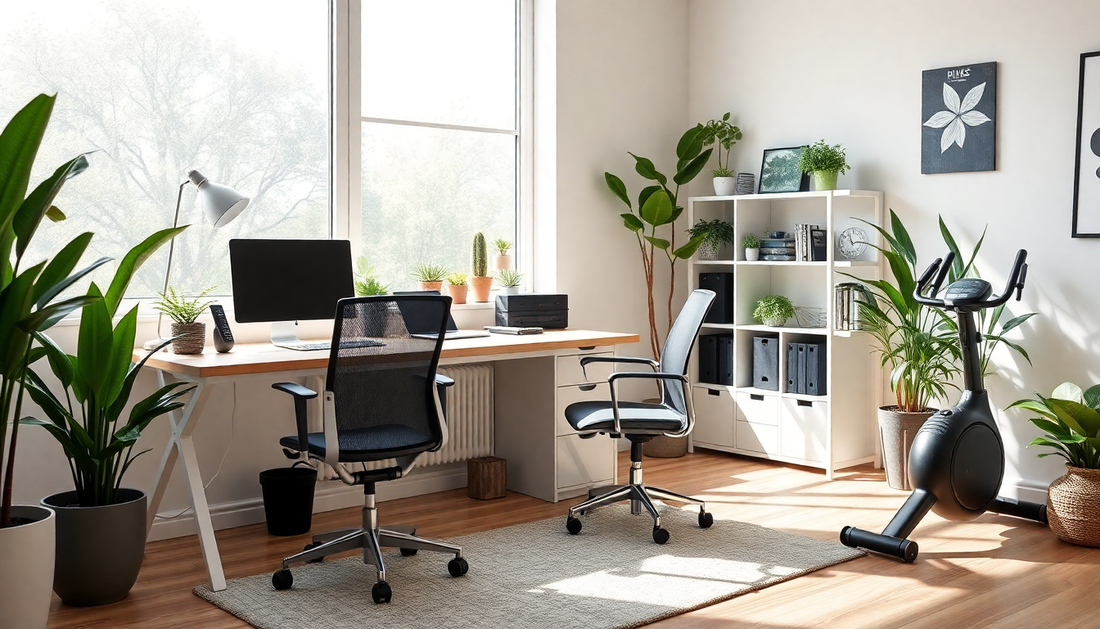
As the landscape of work continues to shift dramatically in 2025, the importance of creating a wellness-centered home office paired with a dedicated fitness space has never been more critical. The convergence of professional productivity and personal well-being is no longer a luxury—it’s a necessity. For many, the boundaries between work and home have blurred, making it essential to design environments that support mental clarity, physical energy, and overall health. This comprehensive guide explores innovative design strategies to help you craft a home workspace that energizes your mind and body, ultimately enhancing your quality of life.
The Growing Need for Wellness-Focused Home Environments
Remote work and hybrid models have become the norm rather than the exception. This shift means that our living spaces must serve dual purposes—offering both a professional environment and a sanctuary for relaxation and movement. Research consistently links physical health and mental wellness to productivity and creativity, underscoring why integrating fitness and mindful design into your home office is a game-changer.
Moreover, prolonged sitting, screen time, and the stress of balancing work-life demands can negatively impact both mental and physical health. A wellness-centered design approach actively combats these challenges by promoting movement, reducing stressors, and encouraging mental focus.
Fundamental Design Principles for a Wellness-Centered Home Office
Before diving into innovative solutions, it’s crucial to establish foundational design principles that create a balanced, health-affirming space.
- Ergonomics: Ergonomic furniture and accessories are non-negotiable. A supportive chair with lumbar support, adjustable desks, and proper monitor height prevent strain and injury.
- Lighting: Maximize natural light to regulate your circadian rhythm and reduce eye strain. Use adjustable, full-spectrum LED lighting for overcast days or late hours.
- Sound Environment: Address noise levels with soundproofing materials, white noise machines, or noise-cancelling headphones to maintain concentration.
- Air Quality: Incorporate air purifiers and ensure good ventilation to keep oxygen levels optimal, which enhances cognitive function.
- Declutter and Organization: A tidy workspace reduces cognitive overload. Use smart storage solutions and maintain a minimalist aesthetic.
Integrating Fitness into Your Home Office: Why It Matters
Physical activity plays a pivotal role in maintaining energy, reducing stress, and improving brain function. However, many find it challenging to fit exercise into a busy schedule. By embedding fitness options directly into your home office, you create seamless opportunities for movement that can be performed throughout your workday.
Frequent movement breaks help combat the health risks associated with sedentary behavior such as cardiovascular disease, obesity, and mental fatigue. Even short bursts of exercise can boost endorphin levels and improve mood, making you more productive and focused.
Innovative Design Strategies to Foster Mental Clarity
To cultivate an environment that promotes mental clarity, consider the following cutting-edge design approaches:
- Biophilic Design: Incorporate natural elements such as living green walls, indoor plants, and natural wood textures. These elements reduce cortisol levels and promote relaxation.
- Dynamic Lighting Systems: Use smart lighting that adjusts color temperature and brightness according to the time of day, supporting your body’s natural rhythms and enhancing alertness during work hours.
- Soundscaping: Integrate ambient sound systems that play nature sounds or soft instrumental music proven to improve focus and reduce anxiety.
- Mindfulness and Meditation Zone: Designate a small area with comfortable seating, cushions, and calming decor where you can practice mindfulness or meditation during breaks to reset your mental state.
- Flexible Workstations: Invest in sit-stand desks, balance boards, or treadmill desks to encourage movement and reduce the monotony of sitting.
- Color Psychology: Select paint colors and decor that align with your work goals—blue and green hues encourage calm and concentration, while yellow and orange stimulate creativity and energy.
Designing a Dedicated Fitness Space Within Your Home Office
Creating a functional and inspiring fitness zone within your workspace requires thoughtful planning. Here are key steps to ensure your fitness space is effective and inviting:
- Space Allocation: Even a small corner can serve as a workout zone. Consider foldable or compact equipment such as resistance bands, kettlebells, a yoga mat, or a foldable treadmill.
- Storage Solutions: Use multi-purpose furniture with built-in storage to keep fitness gear organized and accessible without cluttering your office.
- Motivational Elements: Decorate with motivational quotes, mirrors to check your form, and digital screens for workout tutorials or tracking progress.
- Flooring: Install cushioned or rubberized flooring to provide comfort and reduce noise during exercise.
- Temperature Control: Ensure adequate ventilation or add a fan to maintain comfort during workouts.
Incorporating Movement into Your Workday
Optimizing your home office for wellness means encouraging frequent movement. Here are practical ways to embed physical activity into your daily routine:
- Micro Workouts: Plan 5-10 minute high-intensity or stretching sessions every hour to break sedentary patterns.
- Stretching Stations: Designate an area with foam rollers, stretch bands, or balance balls to facilitate regular stretching.
- Movement Reminders: Use apps or wearable devices to prompt you to stand, stretch, or walk regularly.
- Walking Meetings: If possible, take phone calls or brainstorming sessions while walking around your home or garden.
Technology Tools to Enhance Wellness and Productivity
Smart technology can dramatically enhance your wellness-centered home office experience. Consider integrating these innovations:
- Smart Lighting: Systems like Philips Hue or LIFX allow you to customize lighting conditions to boost alertness or relaxation.
- Air Quality Monitors: Devices that track indoor air quality can help you maintain a healthy breathing environment.
- Fitness Trackers: Wearables like Fitbit or Apple Watch monitor your activity levels and remind you to move.
- Focus Apps: Tools such as Forest or Focus@Will use gamification and soundscapes to improve concentration.
- Virtual Fitness Platforms: Access on-demand classes and personalized workouts that fit your schedule.
Personalizing Your Wellness Workspace
Ultimately, your wellness-centered home office and fitness space should reflect your personal preferences and lifestyle. Consider these personalization tips:
- Customize Your Environment: Choose decor, scents, and lighting that make you feel calm and energized.
- Incorporate Hobbies: If space allows, integrate elements that support hobbies such as reading, journaling, or creative arts for mental breaks.
- Set Boundaries: Use room dividers, curtains, or distinctive decor to clearly separate work from relaxation and exercise zones.
Case Studies: Successful Wellness-Centered Home Offices
Examining real-world examples can inspire your design:
- Case Study 1: The Nature-Inspired Workspace
A graphic designer incorporated a living green wall, natural wood furniture, and a corner yoga nook. This setup improved her focus and reduced anxiety during deadlines. - Case Study 2: The Tech-Integrated Office
An entrepreneur used smart lighting, a treadmill desk, and a minimalistic layout to stay active and productive throughout his workday. - Case Study 3: The Multifunctional Space
A writer designed a compact room with foldable fitness equipment, adjustable sit-stand desk, and a meditation corner, which helped balance creativity with wellness.
Conclusion
Designing a wellness-centered home office and fitness space is an investment in your future health, happiness, and productivity. By thoughtfully combining ergonomic principles, biophilic design, innovative fitness solutions, and smart technology, you create a holistic environment tailored to support mental clarity and physical energy. Whether you have a dedicated room or a small nook, these strategies empower you to thrive in the evolving world of work and wellness in 2025 and beyond.
Begin your transformation today and experience how a wellness-centered space can redefine your work-life harmony.