
Designing a Sustainable Home Office and Fitness Space for 2025: Eco-Friendly Solutions for Enhanced Productivity and Wellbeing
Introduction
As remote work continues to rise in popularity, many individuals are looking for ways to create a home environment that fosters productivity and promotes wellbeing. In 2025, the emphasis on sustainability has never been more critical. This article explores eco-friendly solutions to design a sustainable home office and fitness space that not only enhances productivity but also supports a healthy lifestyle.
Understanding the Importance of a Sustainable Space
Creating a sustainable home office and fitness area is essential for several reasons:
- Environmental Impact: Sustainable design reduces carbon footprints and minimizes waste. By using eco-friendly materials and energy-efficient appliances, you can significantly lessen your environmental impact.
- Health Benefits: Eco-friendly materials can improve indoor air quality, reducing allergens and toxins in your workspace and workout area.
- Increased Productivity: A well-designed space can boost focus and efficiency. Studies show that a clutter-free, well-lit environment fosters better concentration.
- Wellbeing: Incorporating natural elements into your workspace and fitness area promotes mental health and physical fitness. Green spaces have been linked to reduced stress and improved mood.
Key Elements of a Sustainable Home Office
To create an efficient and eco-friendly home office, consider the following elements:
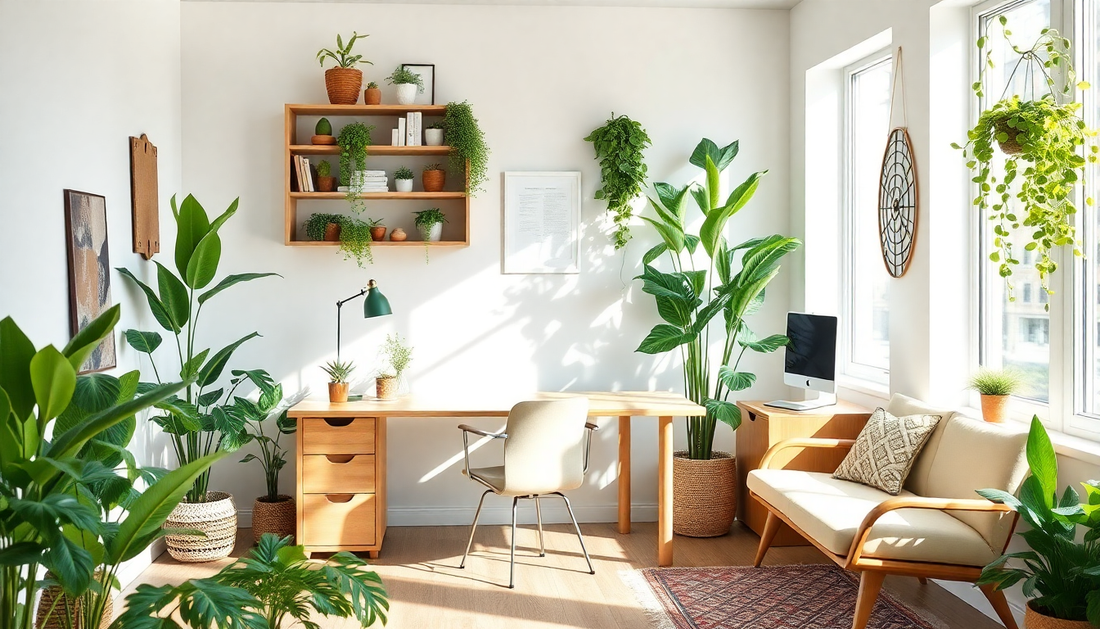
- Energy-Efficient Lighting: Use LED bulbs and maximize natural light through large windows or skylights. Position your desk near a window to take advantage of daylight and reduce reliance on artificial lighting.
- Sustainable Furniture: Choose desks and chairs made from reclaimed or sustainably sourced materials. Look for certifications like FSC (Forest Stewardship Council) to ensure the wood is sourced responsibly.
- Smart Technology: Implement energy-efficient devices and smart home systems to control energy usage. Smart thermostats, for example, can optimize heating and cooling, saving energy when you're not working.
- Indoor Plants: Incorporate greenery to improve air quality and add a calming aesthetic. Plants like snake plants, pothos, and peace lilies are known for their air-purifying properties.
- Ergonomic Design: Invest in ergonomic chairs and desks that promote good posture and reduce physical strain, which is essential for long hours of work.
- Waste Reduction: Set up a recycling station and opt for paperless solutions where possible. Use digital tools to keep track of documents and notes.
Designing Your Fitness Space
Your fitness area should be a space that motivates and energizes you. Here are some ideas to make it sustainable:
- Eco-Friendly Equipment: Invest in equipment made from sustainable materials, such as bamboo yoga mats and recycled rubber flooring. Look for brands that prioritize sustainability in their manufacturing processes.
- Natural Ventilation: Ensure your space has good air circulation, which can be enhanced through windows or vents. Fresh air can significantly improve your workout experience.
- Multipurpose Areas: Design your fitness space to double as a relaxation area, using foldable or compact furniture. This flexibility allows you to use the space for yoga, meditation, or even reading.
- Colors and Materials: Use non-toxic paints and natural materials that contribute to a soothing atmosphere. Soft, earthy tones can create a calming environment that encourages relaxation and focus.
- Acoustic Design: Consider soundproofing your fitness area to minimize noise from the outside and allow for an uninterrupted workout experience.
- Water Efficiency: If your fitness space includes a shower, install water-saving fixtures to reduce water consumption.
Combining Your Home Office and Fitness Space
Integrating your home office and fitness area can enhance both productivity and wellness. Here’s how:
- Flexible Layout: Create a layout that allows for easy transition between work and workouts. Use movable furniture or dividers that can be adjusted based on your needs throughout the day.
- Incorporate Movement: Use a standing desk or an exercise ball chair to encourage movement during work hours. Short bursts of activity can reinvigorate you and improve concentration.
- Mindfulness Zones: Designate areas for stretching or meditation to break up long work periods. This helps reduce stress and can lead to higher productivity levels.
- Technology Integration: Use fitness apps or smart devices that can sync with your work schedule to encourage regular breaks. Setting reminders to stretch or take a quick walk can help maintain physical activity.
- Personalization: Customize your space with motivational quotes, artwork, and personal touches that inspire you to work hard and stay active.
Incorporating Technology for Efficiency
In today's digital age, integrating technology into your sustainable home office and fitness space can enhance your experience significantly. Here are some technological solutions to consider:
- Smart Lighting: Utilize lighting systems that adjust based on the time of day or your activity level. For example, warmer tones can promote relaxation in the evening, while brighter lights can enhance focus during the day.
- Virtual Fitness Classes: Take advantage of online platforms for fitness classes that cater to different workout styles, from yoga to high-intensity interval training (HIIT). This allows you to stay active without needing to travel to a gym.
- Productivity Apps: Use apps designed to enhance productivity, such as task managers, time trackers, and focus timers. These can help you stay on track and manage your time effectively.
- Wearable Fitness Devices: Track your fitness goals and health metrics with smartwatches or fitness trackers. These devices can motivate you to stay active throughout the day.
- Home Automation: Set up automated systems to control your environment, such as adjusting temperature, lighting, and even music, to create an optimal working and workout atmosphere.
Creating a Balanced Daily Routine
Establishing a routine that incorporates both work and fitness activities is vital for achieving a balanced lifestyle. Here are some tips to help you create a daily schedule that maximizes productivity and wellbeing:
- Set Dedicated Work Hours: Establish a clear start and end time for your workday. This helps create boundaries and allows for uninterrupted focus.
- Schedule Workout Breaks: Plan short workout sessions or stretches throughout the day. Even a 10-minute walk can help improve circulation and refresh your mind.
- Prioritize Meal Prep: Eating healthy meals can enhance both productivity and energy levels. Prepare nutritious meals in advance to save time and ensure you’re fueling your body correctly.
- Mindfulness Practices: Incorporate mindfulness practices like meditation or deep breathing exercises into your daily routine to reduce stress and improve mental clarity.
- End-of-Day Reflection: Take time at the end of the day to reflect on your accomplishments and areas for improvement. This can help you plan for the next day and maintain a positive mindset.
Conclusion
Designing a sustainable home office and fitness space for 2025 is not just about aesthetics; it’s about creating an environment that promotes productivity and wellbeing while respecting our planet. By incorporating eco-friendly solutions, you can enhance your work-life balance and contribute to a more sustainable future. Start planning today to create your ideal workspace and fitness area!
As we move further into 2025, embracing sustainability in our home environments will not only lead to personal benefits but will also contribute to the collective effort of protecting our planet. Creating spaces that support our health and productivity is the key to thriving in the new era of work and wellness.