
Blending Ergonomics and Aesthetics: Innovative Ways to Design a Home Office and Fitness Space for Enhanced Wellbeing and Productivity
Introduction
As the lines between work, home, and personal wellness continue to blur, designing a space that fosters both productivity and health has become essential. The rise of remote work has transformed the home office into a critical environment where comfort, efficiency, and wellbeing converge. Simultaneously, the importance of integrating physical activity into our daily routines has never been clearer, with fitness playing a key role in maintaining mental clarity and physical health.
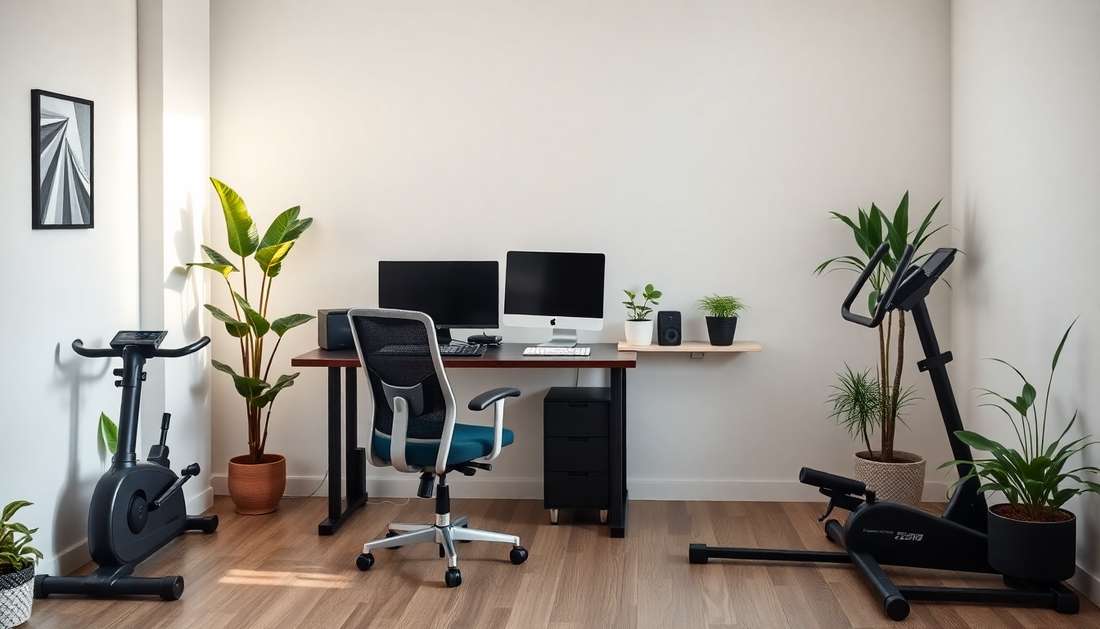
Blending ergonomics and aesthetics to create a multifunctional home office and fitness space is an innovative approach that addresses these modern needs. This article explores how thoughtful design can harmonize work and wellness, elevating your environment to support sustained productivity and holistic health.
The Importance of Ergonomic and Aesthetic Design in Home Spaces
Ergonomics is the science of designing spaces and tools that fit the user’s needs, reducing discomfort and preventing injury. In a home office, ergonomics ensures that your furniture and layout support your body’s natural posture and movements, minimizing the risks of repetitive strain injuries and chronic pain.
Aesthetics, on the other hand, influence your mood, motivation, and mental state. A visually pleasing environment can reduce stress, inspire creativity, and improve focus. When combined, ergonomics and aesthetics create a balanced space that not only functions well but also feels inviting and energizing.
The Benefits of Combining a Home Office with a Fitness Area
Integrating a fitness space within your home office offers several compelling advantages that can dramatically improve your quality of life:
- Convenience Encourages Consistency: Having fitness equipment or a dedicated workout area nearby removes the barrier of travel time and effort, making it easier to fit exercise into your busy schedule.
- Boosts Productivity: Physical activity increases blood flow and oxygen to the brain, enhancing cognitive function, creativity, and concentration. Short exercise breaks can combat fatigue and refresh your mind.
- Promotes Mental Health: Exercise is a proven stress reducer and mood enhancer. Incorporating movement into your workday can alleviate anxiety and improve resilience.
- Optimizes Space Usage: Especially in smaller homes or apartments, combining functions into one flexible space maximizes utility without sacrificing comfort or style.
- Supports Work-Life Balance: Clearly defined spaces that promote both work and wellness help maintain boundaries, preventing burnout and fostering a healthier lifestyle.
Ergonomic Essentials for a Home Office and Fitness Combo
To create a space that supports your body during work and movement, keep these ergonomic fundamentals in mind:
- Adjustable Seating: Invest in an ergonomic chair with lumbar support, adjustable height, and armrests. Consider options that encourage active sitting or incorporate balance elements to engage core muscles.
- Height-Adjustable Desks: Sit-stand desks allow you to change your posture throughout the day, reducing the risks associated with prolonged sitting.
- Monitor Placement: Position screens at eye level and at an appropriate distance to prevent neck strain and eye fatigue.
- Keyboard and Mouse Positioning: Keep input devices close to maintain a neutral wrist position and avoid repetitive strain injuries.
- Fitness Equipment Ergonomics: Choose equipment that suits your space and body mechanics, such as compact treadmills with shock absorption or adjustable resistance bands.
- Flooring and Mats: Use anti-fatigue mats to reduce strain during standing or exercising, and consider cushioned flooring to protect joints during workouts.
Designing for Aesthetics: Creating an Inviting and Motivating Atmosphere
Aesthetics play a crucial role in how you feel and perform in your space. Here are design tips to boost the visual and sensory appeal of your combined office and fitness area:
- Color Psychology: Use colors strategically—soft blues and greens promote calm and focus, while energizing hues like oranges and yellows can stimulate movement and creativity.
- Natural Elements: Incorporate plants to improve air quality and add life to the space. Natural wood finishes or stone accents bring warmth and grounding energy.
- Lighting: Maximize natural light, which enhances mood and circadian rhythms. Supplement with adjustable LED lighting that mimics daylight and includes warm tones for relaxation.
- Minimalism and Clutter Control: A clean, organized space reduces distractions and stress. Use smart storage solutions to keep fitness gear and office supplies neatly tucked away.
- Art and Inspiration: Add artwork, motivational quotes, or personal mementos that inspire and uplift you throughout the day.
- Textural Contrast: Mix materials like soft fabrics with sleek metals to add depth and tactile interest.
Innovative Ideas to Seamlessly Blend Fitness and Work Zones
Here are creative strategies that merge ergonomic functionality with stylish design in your dual-purpose space:
- Modular and Foldable Equipment: Use foldable treadmills, collapsible rowing machines, or portable yoga mats that easily store away when not in use.
- Wall-Mounted Solutions: Install fold-down desks or wall racks for weights and resistance bands, freeing up floor space.
- Convertible Furniture: Consider desks with integrated storage for fitness accessories or seating that doubles as workout benches.
- Smart Technology: Implement fitness trackers, app-controlled lighting, or voice-activated assistants to customize your environment for work or exercise modes.
- Defined Zones with Design Elements: Use area rugs, room dividers, or changes in wall color to subtly delineate work and fitness areas, creating visual separation without sacrificing openness.
- Acoustic Considerations: Incorporate sound-absorbing panels or white noise machines to minimize distractions and enhance focus during work and workout sessions.
Optimizing Workflow and Fitness Routine in Your Space
Design alone isn’t enough—how you use your space matters greatly. Consider these tips to maintain a balanced and productive daily rhythm:
- Scheduled Movement Breaks: Set reminders to stand, stretch, or perform short workouts to break up long periods of sitting.
- Structured Workspace: Maintain a tidy desk setup and clear boundaries between work tasks and fitness activities to mentally switch between modes.
- Ergonomic Warmups: Integrate gentle stretches or mobility exercises before work to prepare your body and after work to unwind.
- Use Technology Wisely: Leverage apps that guide workouts, track progress, or prompt ergonomic posture checks.
- Mindful Environment Usage: Open windows for fresh air, adjust lighting to match your circadian rhythm, and personalize your space to keep motivation high.
Common Challenges and How to Overcome Them
Designing a combined home office and fitness space can present obstacles. Here’s how to tackle typical issues:
- Limited Space: Opt for vertical storage, foldable equipment, and multi-use furniture to maximize every square foot.
- Noise Disturbances: Use noise-canceling headphones, rugs, or curtains to dampen sound, and schedule workouts during quieter times.
- Distraction Management: Designate specific times for work and fitness, and avoid overlapping activities to maintain focus.
- Budget Constraints: Prioritize ergonomic essentials and gradually add aesthetic touches and fitness equipment as finances allow.
- Motivation Maintenance: Keep your space inspiring with changing decor, varied workouts, and regular decluttering to prevent stagnation.
Case Studies: Real-Life Examples of Successful Home Office and Fitness Spaces
Case Study 1: Compact Urban Apartment
In a small city apartment, a professional used a fold-down desk paired with a compact elliptical machine stored under the desk. The space featured calming blue walls, a few potted plants, and adjustable LED lighting. Soundproof panels helped reduce noise from outside, creating a serene environment for work and exercise. Scheduled 10-minute movement breaks throughout the day improved energy and focus.
Case Study 2: Spacious Home Loft
A freelance designer transformed a loft into a vibrant workspace with an adjustable sit-stand desk, ergonomic chair, and a dedicated corner for fitness with a treadmill, kettlebells, and yoga mat. Bright natural light flooded the space through large windows. The use of warm wood tones and motivational wall art maintained an energizing atmosphere. Smart lighting and sound systems allowed seamless transitions from work to workout modes.
Conclusion
Designing a home office that seamlessly integrates a fitness space is a forward-thinking strategy to nurture both your body and mind. By harmonizing ergonomic principles with aesthetic appeal, you create an environment that supports sustained productivity, physical health, and emotional wellbeing.
Whether you have a compact apartment or a spacious loft, the key lies in thoughtful planning, smart furniture choices, and personalized touches that keep you motivated. Embrace these innovative design ideas and practical tips to transform your home into a dynamic hub for work and wellness in 2025 and beyond.
Remember, your space is a reflection of your lifestyle and priorities—invest in it wisely for a healthier, happier, and more productive you.