
Advanced Sensor Networks and Wearable Technologies Reshaping Micro-Movement Strategies for Remote Productivity in 2025
Introduction
In 2025, the evolution of workplace technology and the persistent rise of remote work have led to transformative changes in how professionals approach productivity and health. Central to this evolution are advanced sensor networks and wearable technologies, which are revolutionizing the way micro-movements—small, subconscious physical adjustments—are utilized to boost efficiency, prevent injury, and promote overall well-being. These innovations are not only enhancing individual performance but also reshaping organizational workflows, offering a new paradigm for remote productivity that seamlessly integrates health monitoring, ergonomic optimization, and real-time feedback.
The Evolution of Sensor Networks and Wearable Technologies
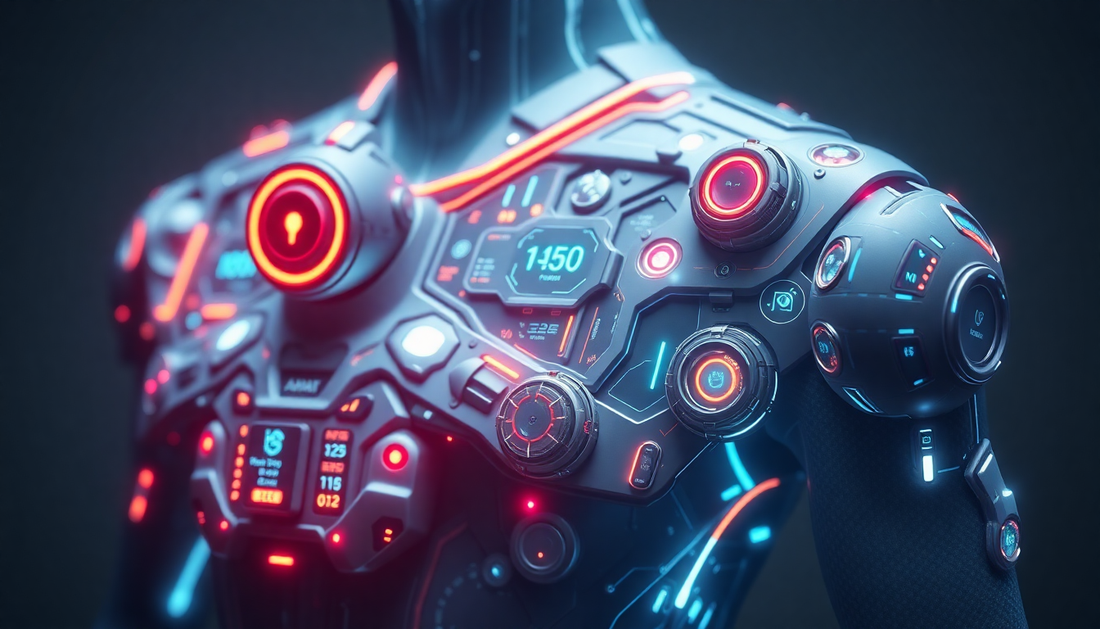
The journey from basic fitness bands to sophisticated, multi-functional wearable devices has been remarkable. Modern sensors now have the capability to detect nuanced movements, physiological changes, and environmental factors with unprecedented accuracy. Coupled with advancements in artificial intelligence (AI) and the Internet of Things (IoT), these devices are transforming passive health monitoring into active, contextual insights that empower users to make immediate improvements in their postures, movements, and work habits.
In 2025, these technologies are characterized by:
- Miniaturization and Comfort: Devices are ultra-lightweight, discreet, and ergonomic, encouraging constant wear without discomfort.
- Intelligent Data Processing: Embedded AI algorithms analyze movement data in real time, providing actionable insights.
- Cloud Connectivity: Continuous synchronization with cloud platforms allows for long-term data analysis and remote health coaching.
- Multimodal Sensors: Combining accelerometers, gyroscopes, electromyography (EMG), and biofeedback sensors for a holistic view of physical and physiological states.
Deep Dive into Micro-Movement Strategies
Micro-movements—small shifts in posture, muscle adjustments, or breathing patterns—have a profound impact on an individual's overall health and productivity. In 2025, leveraging wearable technology allows workers to become more aware of these subtle motions and optimize them proactively. The goal is to create an environment where micro-movement strategies are integrated seamlessly into daily routines for maximum benefit.
How Wearable Tech Enhances Micro-Movement Strategies
Wearables serve as personal health assistants by providing continuous feedback and personalized recommendations. Here are some specific ways these devices facilitate micro-movement strategies:
- Posture Correction and Alignment: Sensors detect slouching, neck strain, or improper seating positions, alerting users immediately to correct their posture before discomfort or injury occurs.
- Ergonomic Adaptations: Data-driven suggestions assist in adjusting workstations, considering individual body metrics and movement patterns to create ergonomically sound setups.
- Breathing and Stress Management: Biofeedback sensors monitor respiration rates and heart rate variability, guiding users through deep-breathing exercises to reduce stress and enhance focus.
- Muscle Activation and Fatigue Management: EMG sensors track muscle activity, preventing overuse injuries by signaling when muscles are under strain, prompting micro-breaks or stretching exercises.
- Automated Reminders for Micro-Movements: Devices prompt frequent micro-movements, such as seated foot taps, shoulder rolls, or stretching, to maintain circulation and alertness throughout the workday.
Impact on Remote Work Productivity and Employee Wellness
The integration of advanced sensor networks into daily remote work routines offers numerous benefits that go beyond mere productivity enhancements:
- Improved Physical Health: Continuous monitoring helps prevent common remote work ailments like back pain, carpal tunnel syndrome, and eye strain.
- Enhanced Mental Clarity and Focus: Biofeedback and stress reduction tools foster mental well-being, reducing burnout and cognitive fatigue.
- Personalized Work Environments: Data insights drive personalized adjustments to workstations, lighting, and even desk height for optimal comfort.
- Data-Driven Organizational Policies: Employers can analyze aggregate data to understand common ergonomic issues, enabling targeted interventions and ergonomic redesigns.
- Increased Work Engagement: Real-time feedback creates a more interactive and engaging work experience, potentially leading to higher job satisfaction.
The Future of Micro-Movement Optimization in Remote Work
The trajectory of wearable technology and sensor networks points toward increasingly sophisticated systems integrated with neural interfaces and biofeedback modules. These systems will enable users to:
- Neural-Linked Micro-Movements: Devices interfacing directly with neural pathways can preemptively correct movements based on brain signals.
- Real-Time Posture and Movement Coaching: Virtual reality (VR) and augmented reality (AR) environments will allow immersive coaching sessions tailored to individual movement patterns.
- Adaptive Environments: Smart workspaces will automatically adjust lighting, desk height, and even chair support based on user movement data.
- Bio-Integrated Wearables: Flexible, skin-like sensors will monitor internal physiological signals, providing insights far beyond surface-level movements.
Challenges and Ethical Considerations
Despite the promising advancements, several challenges remain:
- Data Privacy: Ensuring that personal movement and health data are protected against breaches and misuse.
- User Adoption: Encouraging consistent device usage requires addressing concerns about comfort, privacy, and potential dependency.
- Technological Limitations: Achieving perfect accuracy and low latency in real-time analytics remains a technical hurdle.
- Ethical Use: Establishing guidelines for responsible use of biometric data, especially in workplace surveillance contexts.
Conclusion
The integration of advanced sensor networks and wearable technologies in 2025 signifies a paradigm shift in remote work strategies. By harnessing detailed micro-movement data, organizations and individuals can foster healthier, more ergonomic work environments that boost productivity and quality of life. As technology continues to evolve, the future holds even more promising possibilities—where seamless, intuitive, and personalized movement optimization becomes a standard component of remote work culture. Embracing these innovations today paves the way for a healthier, more efficient, and sustainable remote workforce tomorrow.


